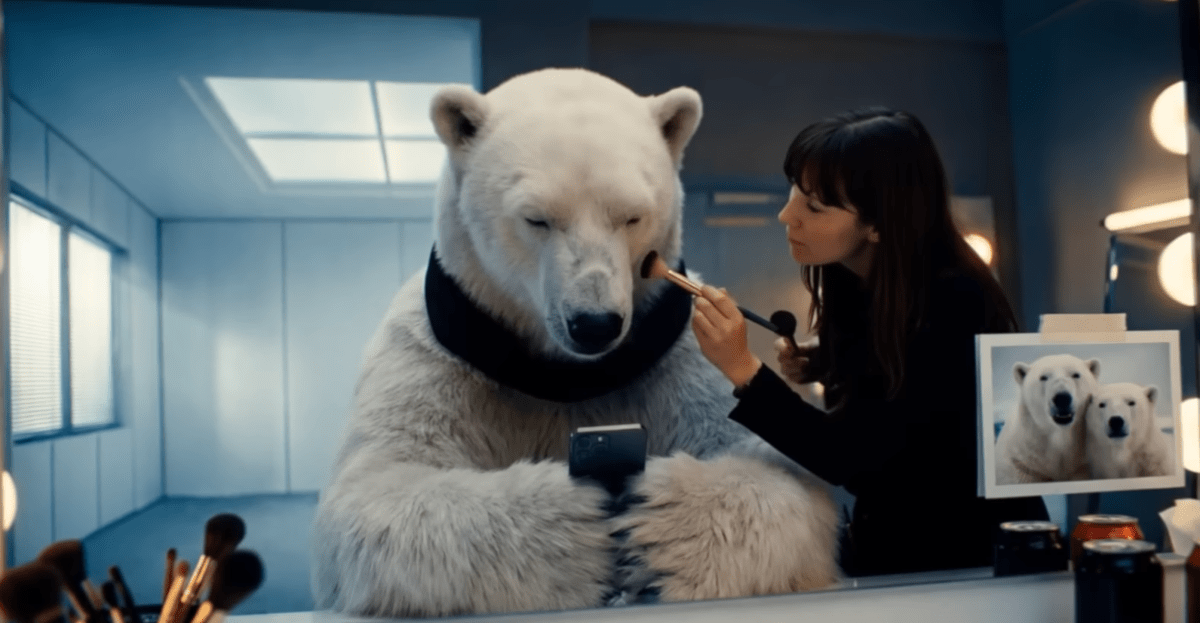
The 2026 Super Bowl was expected to be a showcase of technological innovation, with brands leveraging AI-generated content to captivate audiences. However, the reality was starkly different. The ads, predominantly created by generative AI, left much to be desired, raising questions about the future of AI in advertising.
Why Brands Bet on AI for Creativity
Brands have increasingly turned to AI for ad creation, seeking cost-effective and innovative solutions. The allure of AI lies in its ability to quickly generate content, allowing companies to save on production costs and time. However, as noted in The Verge, while AI's capabilities have improved, the technology still struggles to replicate the nuanced storytelling that human creators bring to the table.
"It feels like everyone who produced ad spots for this year’s Super Bowl with generative AI failed in terms of making gen AI seem useful or like something worth getting excited about," The Verge reported.
This sentiment highlights a crucial misunderstanding: the belief that AI can seamlessly replace human creativity in contexts where emotional connection and cultural resonance are paramount.
The Human Element Can't Be Replicated
The shortcomings of AI-generated ads at the Super Bowl illustrate a critical gap in understanding. While AI can mimic styles and produce content, it lacks the ability to truly connect with audiences on an emotional level. This year's Super Bowl ads, according to Digiday, felt "old-fashioned" in the sense that they failed to deliver the shared experiences that resonate with viewers.
Digiday emphasized that "cultural likeness is easy but shared experience is earned." This is where AI falls short—it can generate likeness but cannot create the shared moments that human creators intuitively know how to craft.
Real-World Lessons from AI's Super Bowl Stumble
The backlash against AI-generated ads at the Super Bowl serves as a wake-up call for the advertising industry. It underscores the need for a balanced approach that integrates AI's efficiencies with human creativity. The challenge lies in using AI as a tool to augment, not replace, human ingenuity.
As the industry grapples with these challenges, the path forward involves recognizing AI's limitations and leveraging its strengths to enhance human creativity, not overshadow it. Without this balance, the risk is producing more content that lacks the emotional depth required to engage audiences effectively.
Rethinking AI's Role in Advertising
As we conclude, the lesson from the 2026 Super Bowl is clear: AI in advertising must evolve. It is not enough to rely on AI for cost savings and efficiency—it must be part of a broader strategy that emphasizes human creativity and emotional connection. Only then can AI truly transform the advertising landscape in a meaningful way.
The future of AI in advertising hinges on striking the right balance between technology and human insight. As brands reflect on this year's Super Bowl experience, they must consider how to harness AI's potential while preserving the irreplaceable value of human creativity.