
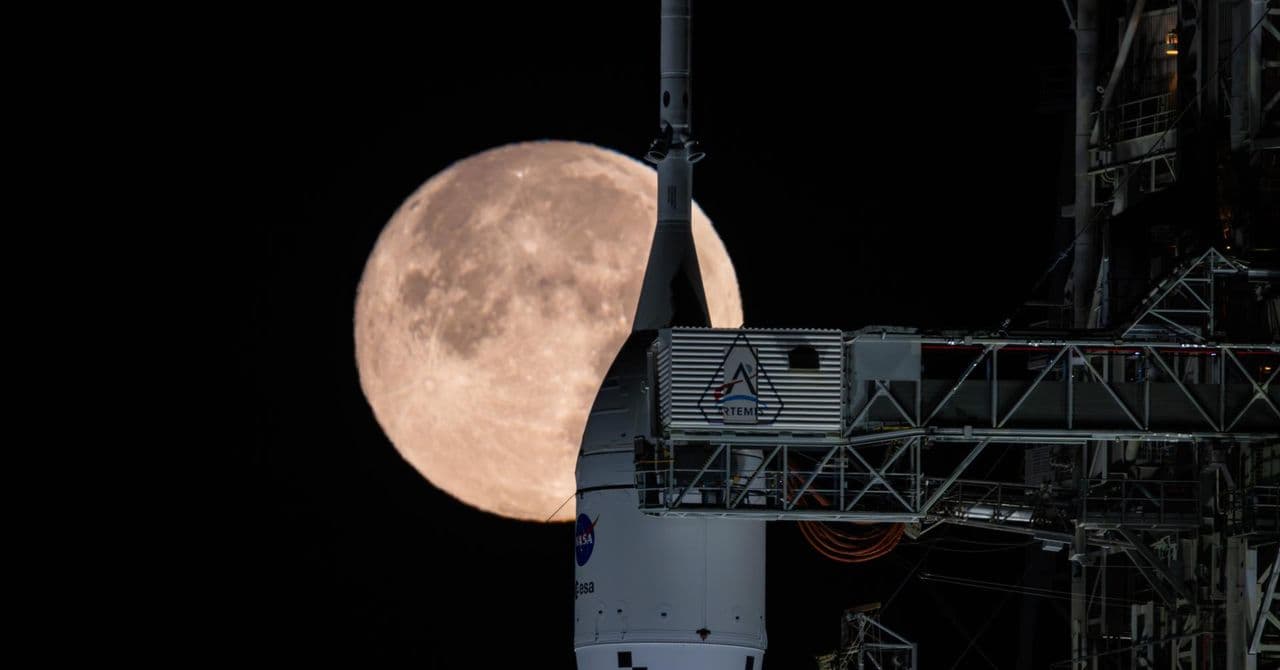
The Artemis II mission is generating a mix of excitement and skepticism as it aims to return humans to the moon for the first time in decades. While the mission's goals are ambitious, the public's reaction is divided, raising questions about its true significance and the motivations behind it.
Why Are We So Obsessed with the Moon?
The fascination with lunar exploration has been a constant since the Apollo missions captured global attention. Space agencies like NASA continue to pursue moon missions, driven by the potential for scientific discovery and the allure of advancing human presence in space. The Artemis II mission is no different, promising to push the boundaries of what humanity can achieve beyond Earth.
Yet, this obsession is not without its critics. Some argue that the resources allocated to lunar exploration could be better spent addressing pressing issues on Earth. Despite these concerns, the mission's proponents believe that it represents a crucial step in the sustainable exploration of our solar system.
Is the Hype Justified or Misplaced?
As coverage from Adweek and Wired highlights the historic nature of the Artemis II launch, the mission's hype is palpable. Media outlets emphasize the crew's diversity, featuring the first woman, the first Black person, and the first non-American to embark on such a journey. This representation is seen as a progressive step forward.
However, some critics question whether this focus on diversity overshadows the mission's primary objectives. The media's portrayal may inadvertently shift attention away from the mission's scientific and technological aspirations, suggesting that the hype could be more about optics than outcomes.
The Real Stakes of Artemis II
The stakes for Artemis II are high, not just in terms of the mission's success, but also in how it shapes future space exploration. The mission serves as a testing ground for technologies that could enable deeper space travel, including missions to Mars. Yet, as Wired points out, the mission is fraught with challenges, from technical hurdles to budget constraints.
"The Artemis II mission is a pivotal moment for NASA, marking a return to crewed lunar exploration after decades," Wired notes. "But it also highlights the complexities and costs of space exploration in the modern era."
This tension underscores a broader debate about the allocation of resources in space programs. The mission's success or failure could influence public support and funding for future space endeavors.
Redefining Our Priorities in Space Exploration
As the countdown to Artemis II continues, it prompts a re-evaluation of our priorities in space exploration. Is a return to the moon the best use of our resources, or should we focus on more immediate challenges, like climate change and global health crises?
Ultimately, the mission's outcome could redefine how we view and invest in space exploration. It challenges us to consider whether the pursuit of knowledge and the expansion of human presence in space are worth the costs and risks involved.
In conclusion, Artemis II is more than just a mission to the moon. It's a test of our values, priorities, and aspirations as a society. The mission's success could inspire a new generation of explorers, but it also demands a critical look at what we hope to achieve in the vast expanse beyond our planet.