The digital landscape is rife with conflicts, none more pressing than the clash between truth and misinformation. This tension is glaringly evident in the aftermath of a recent shooting in Minneapolis involving an Immigration and Customs Enforcement (ICE) agent. Online sleuths have taken it upon themselves to uncover the identity of the federal agent responsible for shooting Renee Good, a 37-year-old woman. The problem? Their methods rely heavily on artificial intelligence tools that are not only inaccurate but dangerously misleading.
Current public perception holds that technology, particularly AI, is a powerful tool for truth-seeking. Many believe, or at least hope, that AI can unveil facts hidden from the human eye. The incident in Minneapolis showcases how this belief is being manipulated. According to a Wired article, online detectives are using AI to identify the federal agent involved in the shooting. However, these AI-manipulated images are inaccurate, leading to the wrongful accusation of individuals who had no involvement in the incident.
The reliance on AI for solving real-world problems, especially in criminal cases, is not just misguided but incomplete. AI lacks the nuance and contextual understanding required in complex human situations. The Wired article highlights how AI-generated images are being used to falsely identify individuals, showcasing the technology's limitations. AI tools, while impressive, are not infallible and can perpetuate falsehoods when not used responsibly.
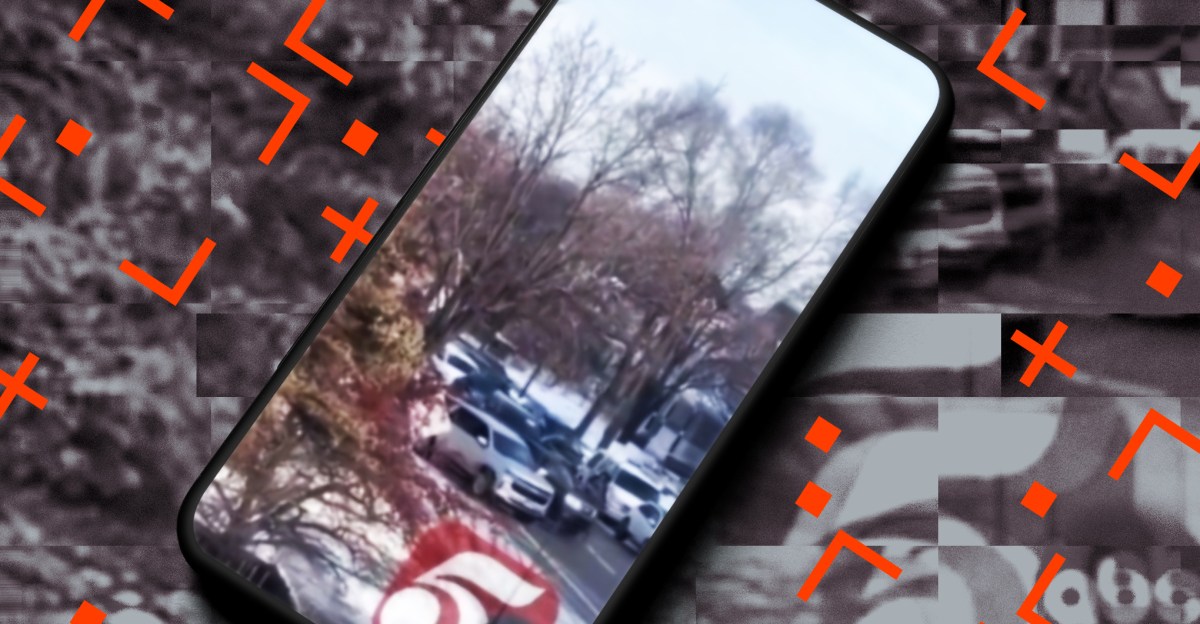
The tension between government narratives and online interpretations only compounds the problem. As reported by The Verge, the shooting incident has been captured from multiple angles and manipulated with slow motion and zoom effects, creating a variety of video versions. These versions differ slightly but enough to generate conflicting interpretations of the same event. The federal government’s account of the incident diverges significantly from what these videos depict, further fueling public mistrust.
Our stance is clear: the misuse of AI in such sensitive matters demands urgent regulation. The potential for AI to distort reality and ruin lives is too great to be left unchecked. Social media platforms like X, Bluesky, Reddit, and TikTok amplify these distorted narratives, spreading misinformation at an unprecedented rate. The Verge notes the rapid dissemination of misleading content, suggesting that these platforms are ill-equipped to handle the complexities of truth verification.
Furthermore, the public's increasing reliance on social media for news complicates the truth-seeking process. The Wired article on the rewriting of the ICE shooting narrative by MAGA supporters illustrates how easily information can be skewed to fit political agendas. In a world where every smartphone user can be a reporter, distinguishing between fact and fiction becomes a Herculean task.
In conclusion, while technology has the potential to enhance our understanding of the world, its current misuse in public investigations is cause for concern. Stricter regulations and a more cautious approach to AI application in sensitive cases are necessary to prevent the spread of misinformation. Until then, the line between truth and falsehood will remain dangerously blurred, leaving us all in a precarious position.