In the ever-evolving digital landscape, a new conflict has emerged between the rise of AI-generated content and the demand for genuine human creativity. As algorithms continue to churn out vast amounts of content, the question arises: is there still room for human authenticity in a world increasingly dominated by artificial intelligence?
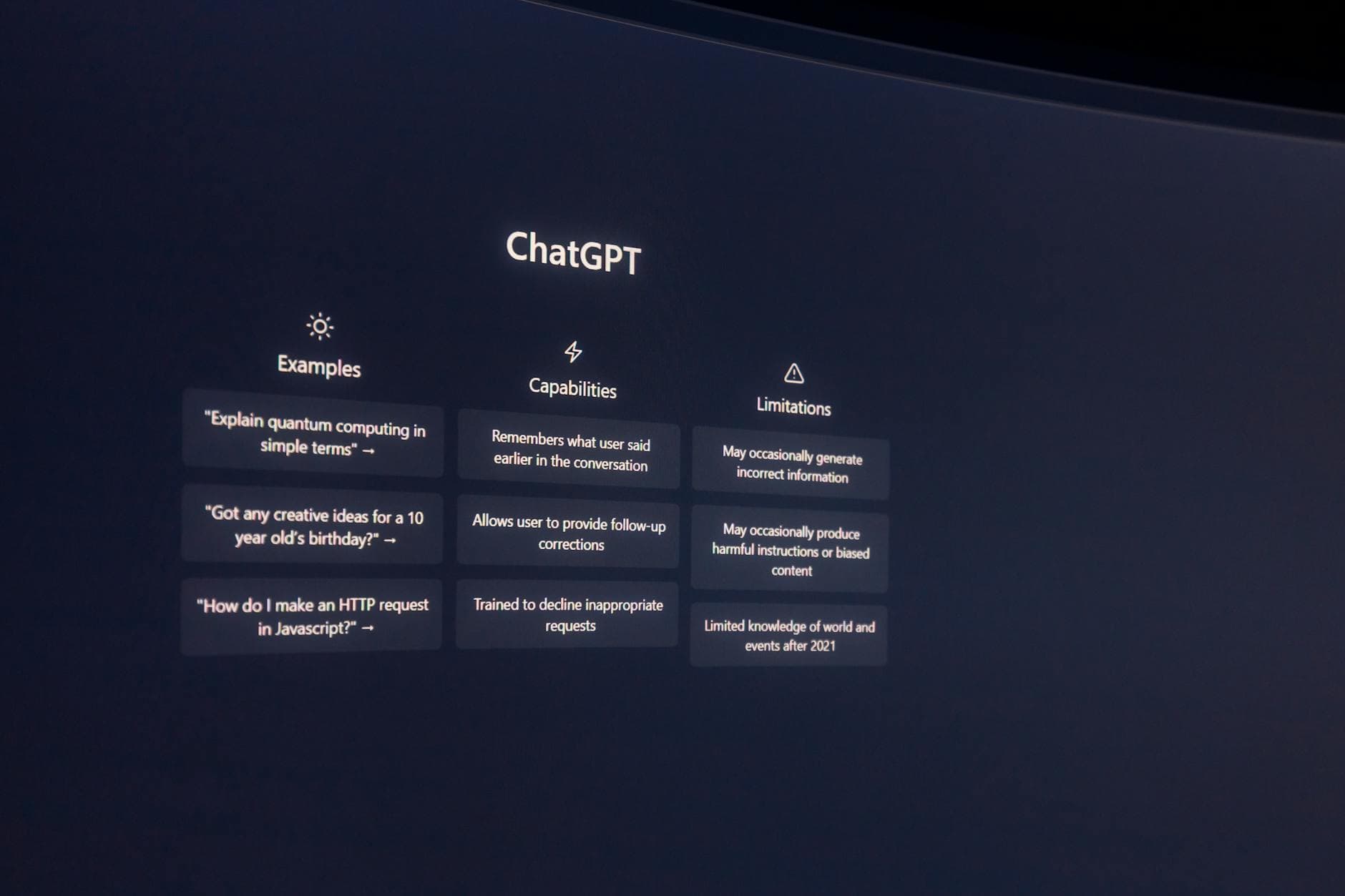
Currently, many believe that AI-generated content offers an efficient and scalable solution to meet the growing demands of digital media. Proponents argue that AI can produce content at an unprecedented speed and volume, catering to diverse audiences with tailored precision. The freemium model, as highlighted by SaaStr Blog, exemplifies this belief. Freemium has become a hallmark of the AI age, with platforms like ChatGPT leading the charge. These services rely on large user bases to monetize effectively, emphasizing quantity over quality.
However, this prevailing belief overlooks the growing demand for authenticity and creativity that only human creators can provide. The article from Digiday underscores this point, noting that as AI-generated "slop" inundates social media, audiences are increasingly seeking content that feels genuine and relatable. This shift in consumer preference suggests that the allure of AI's efficiency may be overshadowed by a craving for real human connection.
The tension between AI-generated content and human authenticity is palpable in today's media landscape. As major platforms secure content access deals, such as Meta's agreement with Wikimedia reported by Social Media Today, the reliance on AI to generate and distribute content becomes ever more pronounced. Yet, this reliance creates a dichotomy. While AI can produce content en masse, it often lacks the nuance and emotional depth that human creators naturally imbue in their work.
Given this tension, it becomes clear that a balance must be struck. The editorial stance here is that while AI can certainly enhance and support content creation, it should not replace the human element entirely. Instead, AI should be seen as a tool that augments human creativity, allowing creators to focus on crafting meaningful and authentic content that resonates with audiences.
Furthermore, the economic model underpinning AI content creation—largely driven by freemium—poses its own challenges. As SaaStr Blog points out, for such a model to be viable, it requires millions of active users. This high threshold may push companies to prioritize volume over quality, potentially leading to a saturation of low-value content that fails to engage users meaningfully.
In conclusion, while AI offers exciting possibilities for content creation, it must be integrated thoughtfully to preserve the authenticity and creativity that audiences crave. As the digital landscape continues to evolve, the challenge will be to leverage AI's capabilities without compromising the human touch that makes content truly impactful.