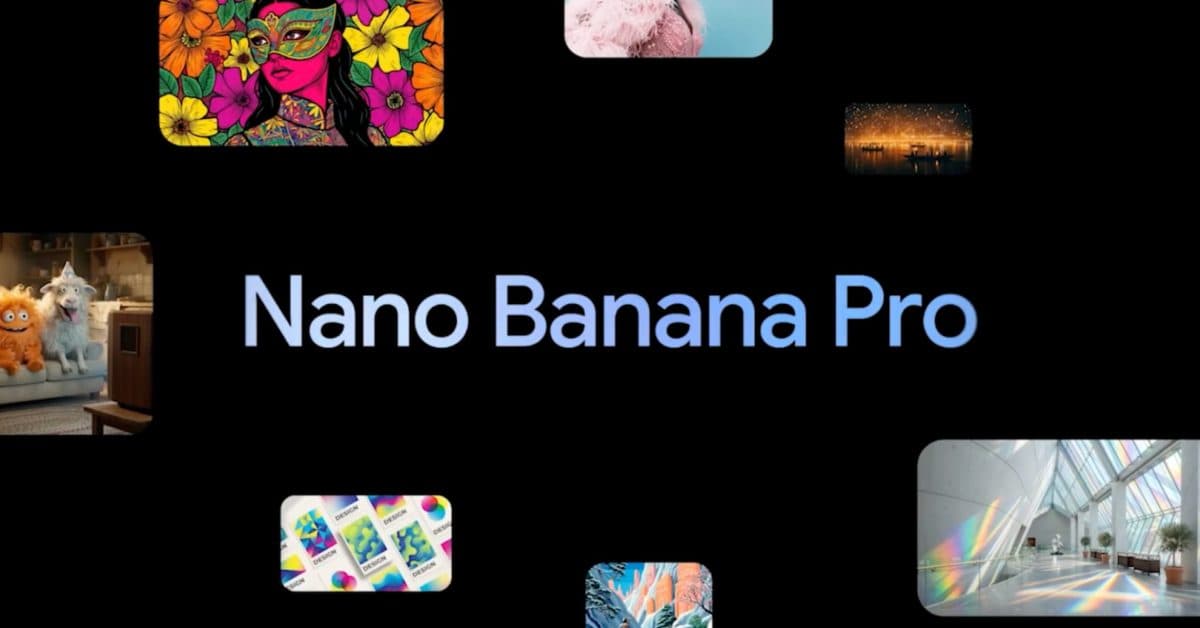
In recent months, the digital landscape has been buzzing with discussions around the Gemini app's astonishing achievement: generating 1 billion Nano Banana Pro images in under two months. This milestone reflects not just the app's popularity but a broader transformation in how we perceive artificial intelligence and its role in creative processes. Yet, this development has sparked a conflict between those who see AI as a mere tool for efficiency and those who envision it as a catalyst for creativity.
Traditionally, AI has been viewed through a narrow lens, primarily as a mechanism for improving productivity and solving problems. Many still hold the belief that AI's primary function is to automate mundane tasks, optimize workflows, and provide analytical insights. This perspective has been reinforced by AI's applications in sectors such as finance, healthcare, and logistics, where it has undeniably contributed to efficiency and accuracy.
However, this belief is increasingly being challenged by the emergence of AI tools like Gemini, which demonstrate that AI's potential extends far beyond conventional applications. The Gemini app's ability to generate a staggering number of images in a short timeframe illustrates AI's capacity to enhance creativity and artistic expression. By leveraging advanced algorithms and vast datasets, AI can produce unique and innovative outputs that were previously unimaginable.
The tension between these two views becomes apparent when considering Google's recent updates to Gemini, which now allows for more personalized experiences by integrating with users' Gmail, Search, and YouTube data (The Verge). While this personalization aims to offer more tailored and relevant AI interactions, it also raises concerns about privacy and data security. Users are increasingly wary of the extent to which their personal information is being utilized, even as they enjoy the benefits of more customized AI services.
Furthermore, as AI continues to evolve, the boundaries between personal and public information become increasingly blurred. Google's decision to separate and raise usage limits for its Gemini 3 'Thinking' and 'Pro' models (9to5Google) underscores this point. As AI tools become more powerful and accessible, the potential for misuse or overreach grows, leading to heightened scrutiny from both regulators and the public.
In light of these developments, it is crucial to adopt a balanced approach that recognizes AI's dual role as both a functional tool and a creative partner. While the integration of personal data can enhance AI's capabilities, it must be done transparently and ethically, with robust safeguards to protect user privacy. Companies like Google have a responsibility to ensure that their AI innovations do not come at the expense of user trust.
Ultimately, the future of AI lies in its ability to harmonize functionality with creativity. By embracing this dual potential, we can unlock new avenues for innovation while addressing legitimate concerns about privacy and security. As AI continues to reshape our digital world, it is imperative that we remain vigilant and proactive in navigating these complex challenges.