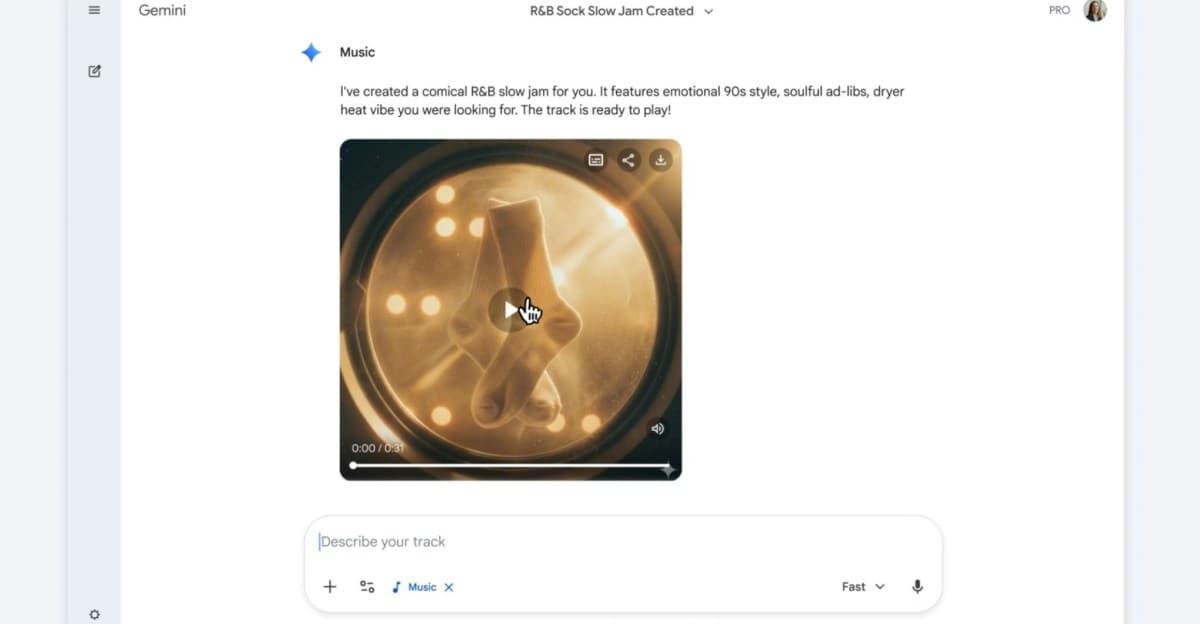
The realm of music creation is witnessing a seismic shift with Google's latest innovation—an AI music maker embedded in the Gemini app. This development has stirred debates among musicians, tech enthusiasts, and the broader public. While some hail it as a groundbreaking tool for creativity, others are wary of its implications for the future of music.
Why AI Music Creation Has Gained Popularity
AI has been making waves across various industries, and music is no exception. Google's Gemini app, now equipped with Lyria 3, allows users to generate 30-second music tracks by merely describing genres or moods. This technology appeals to those seeking quick and easy ways to create music without the traditional barriers of learning an instrument or understanding music theory.
As reported by The Verge, this new feature is available in multiple languages, reflecting its global reach and appeal. The accessibility of such technology democratizes music creation, enabling more people to express themselves musically.
The Misconception of AI as a Replacement for Human Creativity
While AI offers exciting possibilities, it also raises concerns about the role of human creativity. There's a common misconception that AI could fully replace human musicians. However, AI-generated music lacks the emotional depth and personal experiences that human musicians bring to their craft.
The Google Blog highlights Lyria 3's capability to produce high-quality tracks, but it doesn't address the nuances of human expression that AI cannot replicate. The essence of music lies in its ability to convey emotions and tell stories—an area where AI still falls short.
Real-World Tensions and Ethical Concerns
The rise of AI in music creation has sparked ethical debates. One key concern is the potential for AI to overshadow human musicians, leading to fewer opportunities for them to showcase their talents. Additionally, the authenticity of AI-generated music is questioned—can a machine-created track truly resonate with listeners in the same way a human-composed piece can?
These tensions are not just theoretical. They manifest in the music industry as artists grapple with the implications of AI on their livelihoods and the authenticity of their work. As AI continues to evolve, these discussions will become increasingly pertinent.
Embracing AI as a Tool, Not a Replacement
Ultimately, the advent of AI in music should be seen as an enhancement rather than a replacement. By integrating AI tools like the Gemini app into their creative processes, musicians can explore new sonic landscapes and push the boundaries of traditional music-making.
AI's role should be to complement human creativity, providing inspiration and broadened capabilities. As we navigate this new era of music creation, it is crucial to balance technological advancement with the preservation of human artistry.