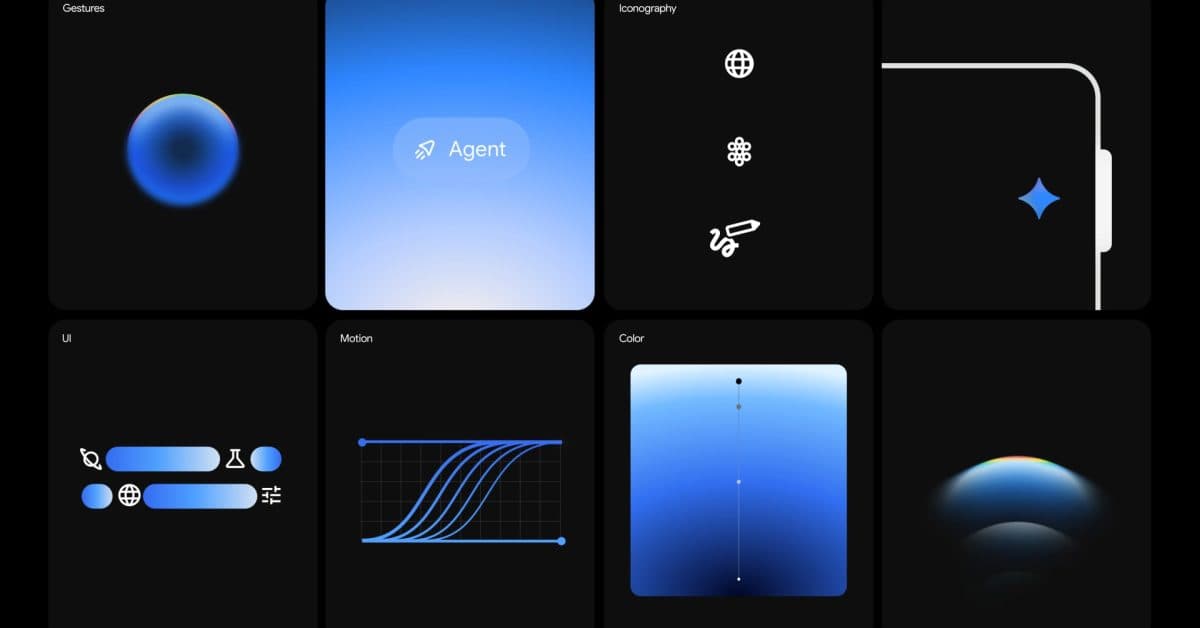
In an era where technology is seamlessly woven into our daily lives, the quest for personalization has reached new heights. Google's Gemini AI, a chatbot that promises to transform user experience through its latest 'Personal Intelligence' feature, has become the focal point of a heated debate. At its core, the conflict arises from the tension between the personalized convenience offered by AI and the privacy concerns it inevitably raises.
Currently, many believe that personalization in technology is an unequivocal good. It allows services to be tailored to individual preferences, making interactions with digital assistants more efficient and relevant. Google's Gemini AI is poised to take personalization to unprecedented levels by integrating data from a user's Gmail, Search, and YouTube history. As reported by The Verge, this initiative aims to 'supercharge' the AI's ability to provide responses that are not just contextually aware but deeply personalized (The Verge, 2026).
However, this belief in the inherent goodness of personalization overlooks significant privacy implications. The integration of personal data across multiple platforms means that Google is amassing an enormous amount of information about its users. While the company touts this as a way to enhance user experience, it also raises the specter of surveillance and data misuse. As 9to5Google highlights, the line between a helpful assistant and an invasive observer is razor-thin (9to5Google, 2026).
The real-world tension becomes evident as more users express discomfort with the idea of a chatbot that knows them so intimately. Despite the benefits of tailored responses, the potential for abuse of this data is a legitimate concern. Google's track record with data privacy is not spotless, and users are rightfully wary of the implications of such comprehensive data integration. The debate is not just about convenience versus privacy; it is about trust and the ethical use of technology in our lives.
Our editorial stance is clear: while the benefits of personalized AI are undeniable, they should not come at the expense of user privacy. Companies like Google must be transparent about how they use data and ensure robust safeguards are in place to protect users. The allure of a personal, proactive, and powerful assistant should not blind us to the risks involved. Users should have control over their data and be able to opt-out of services that compromise their privacy.
In conclusion, the future of AI and personalization is exciting, but it must be approached with caution. The balance between innovation and privacy is delicate and requires ongoing scrutiny. As Gemini AI continues to evolve, it is imperative that both users and developers remain vigilant and demand accountability. Only then can we truly benefit from the advancements in AI without sacrificing our privacy.
As the digital landscape continues to shift, this conversation is far from over. We must remain engaged and informed, advocating for solutions that respect both technological progress and individual rights. The path forward requires collaboration, transparency, and a commitment to ethical standards that prioritize the well-being of users.