
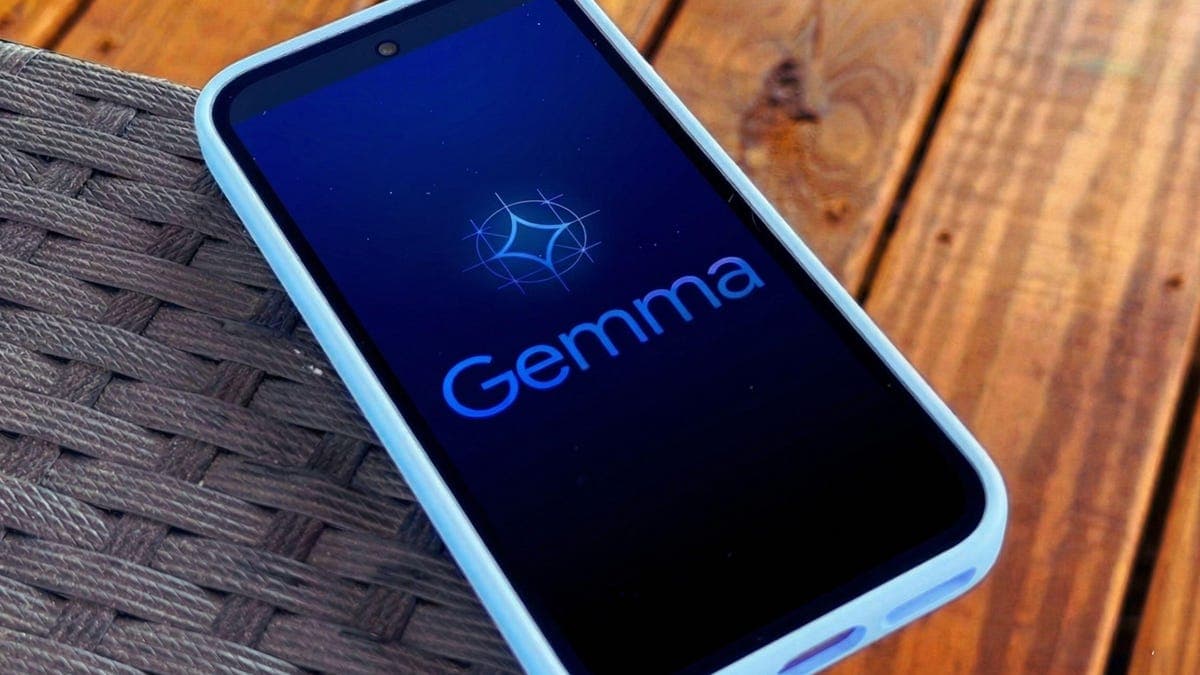
The release of Google's Gemma 4 as a fully open-source model marks a significant shift in the AI landscape. This move towards open-source AI capabilities is not just a technical upgrade but a potential revolution in how AI is accessed and utilized across various devices, from servers to smartphones. This decision challenges existing assumptions about AI's accessibility and control, opening up new possibilities for developers worldwide.
Why the Rush to Open Source AI?
There is a growing belief in the tech community that open-source models offer more flexibility, transparency, and innovation than their proprietary counterparts. Google’s decision to release Gemma 4 under the Apache 2.0 license reflects this trend, making it an attractive option for developers who prioritize local control and customization. As ZDNet reports, this move allows for total local control over edge and on-premises deployments, highlighting a shift from centralized AI solutions to more decentralized, customizable ones.
Why This Belief Needs Rethinking
While the excitement around open-source AI is palpable, it is crucial to examine whether these models are accessible to all developers, regardless of their resources. The assumption that open-source automatically means democratized access overlooks the technical expertise and infrastructure needed to harness these models effectively. The Google Blog points out that Gemma 4 is designed for advanced reasoning and agentic workflows, which might not be within reach for smaller developers or educational institutions without significant investment in training and infrastructure.
Real-World Impact: Is This the Democratization of AI?
The implications of Gemma 4’s open-source availability extend beyond technical innovation to potential real-world tensions. On one hand, it provides unprecedented opportunities for innovation and development at the local level, as noted by ZDNet. On the other hand, it also raises concerns about the digital divide, where only well-resourced developers can fully exploit these technologies. The question of whether this truly democratizes AI or further entrenches existing disparities remains pertinent.
As developers and companies navigate this new terrain, the stakes are high. The ability to deploy AI locally on devices like Raspberry Pi and smartphones could revolutionize how businesses operate and interact with customers, but only if they can overcome the initial barriers to entry.
Gemma 4's Open-Source Release: A Double-Edged Sword?
In conclusion, while Google’s Gemma 4 open-source release is a landmark moment in AI development, it is not without its complexities. This move could potentially revolutionize local AI implementation, but it also poses challenges that must be addressed. The tech community must consider how to make these powerful tools genuinely accessible to all developers, ensuring that the promise of open-source AI does not just remain in the hands of the few but becomes a reality for many.