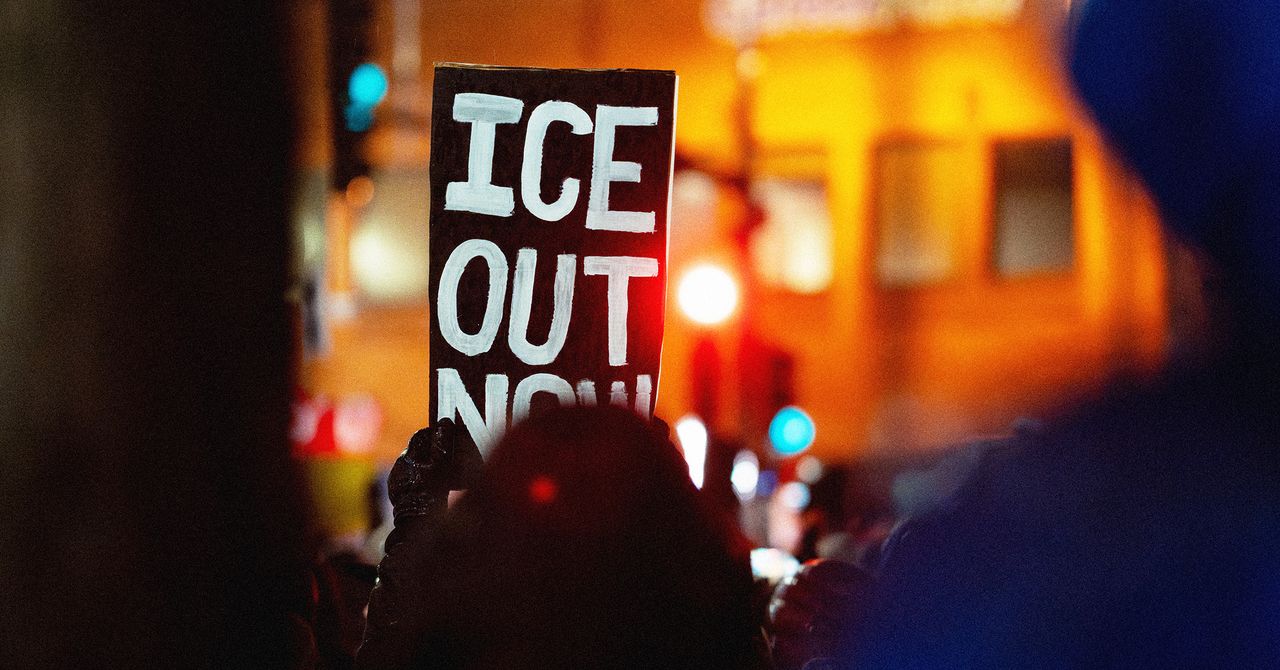
In recent months, Minneapolis has become a focal point in the ongoing national debate over immigration and sanctuary policies. The intensification of Immigration and Customs Enforcement (ICE) raids in the city has ignited a fierce conflict between federal authorities and local government, putting a spotlight on the broader implications of immigration enforcement in sanctuary cities. As local agencies scramble to support communities under siege, the tension between federal immigration objectives and human rights considerations is laid bare.
The prevailing belief among many supporters of ICE operations is that these actions are essential for maintaining national security and upholding the rule of law. They argue that ICE's presence is necessary to detain and deport individuals who are living in the country illegally, particularly those with criminal records. This viewpoint suggests that without strict enforcement, the integrity of national borders would be compromised, leading to increased crime and economic burden on American citizens.
However, this perspective is overly simplistic and fails to consider the broader social and humanitarian impact of such enforcement actions. The current belief in ICE's necessity often overlooks the human rights issues that arise from aggressive immigration tactics. As highlighted in an Adweek article, local agencies in Minneapolis are witnessing the detrimental effects of ICE raids on immigrant communities, which include heightened fear, family separations, and psychological distress. These operations disrupt the fabric of communities and place immense pressure on local support systems, creating an atmosphere of fear and uncertainty.
Real-world events in Minneapolis illustrate the tension between federal enforcement and local policies. A Wired report reveals that a federal judge is currently deliberating whether the Department of Homeland Security is using ICE raids as a means to coerce Minnesota into abandoning its sanctuary policies. This legal battle underscores the complex interplay between federal mandates and state rights, with ICE operations continuing unabated amid the judicial review. The situation in Minneapolis exemplifies the wider national struggle over sanctuary policies and the role of local governments in protecting their residents.
The editorial stance on this issue is clear: while immigration enforcement is a legitimate concern, it must be balanced against the fundamental human rights of individuals and communities. The current methodology employed by ICE in Minneapolis and similar cities across the country is not only heavy-handed but also counterproductive. It alienates the very communities that law enforcement aims to protect, fostering mistrust and hindering cooperation between immigrants and authorities.
A more nuanced approach is required, one that respects the dignity and rights of all individuals while addressing immigration control effectively. This involves reevaluating the strategies employed by ICE and considering alternative methods of enforcement that do not rely on fear and intimidation. Local agencies, as seen in Minneapolis, play a crucial role in bridging the gap between federal objectives and community needs. Their efforts in providing support and advocacy for affected individuals highlight the importance of local involvement in crafting humane and effective immigration policies.
Ultimately, the situation in Minneapolis serves as a crucial reminder that immigration policy cannot be viewed through a singular lens of law enforcement. It is a multifaceted issue that requires thoughtful consideration of legal, social, and ethical dimensions. As the nation grapples with these challenges, it is imperative to prioritize human rights and community well-being, ensuring that immigration practices align with the values of justice and compassion.