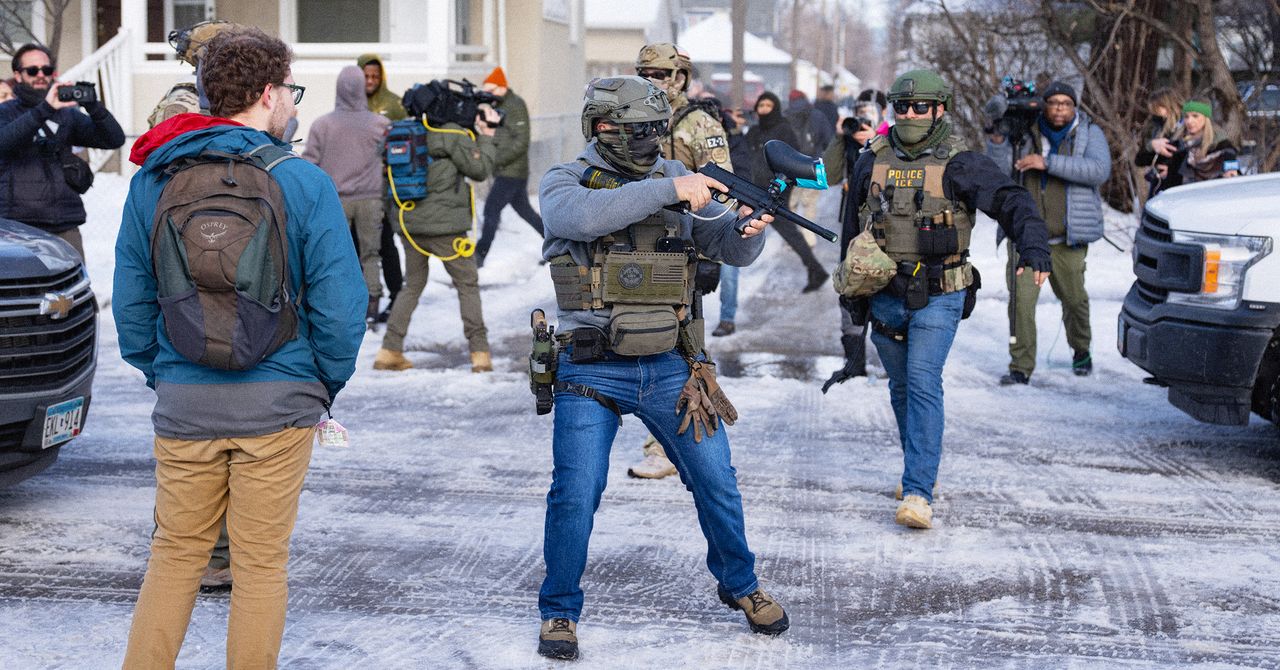
In the digital age, where information is disseminated at lightning speed, the recent shooting incident in Minnesota involving a federal agent and Renee Good has become a battleground for misinformation. Online sleuths, armed with AI tools, have taken it upon themselves to identify the shooter, but their efforts have led to the spread of false information, raising serious ethical and legal concerns.
The current belief that AI technology can provide accurate and irrefutable evidence is pervasive. Many people trust AI-generated data and imagery, assuming that its conclusions are beyond reproach. This perception is bolstered by AI's growing presence in our daily lives, from voice assistants to facial recognition systems. The notion that AI is infallible has led to a dangerous overreliance on technology, especially in matters that require nuanced human judgment.
However, this belief in AI's infallibility is both misguided and incomplete. AI, like any tool, is only as good as the data it is fed and the algorithms it operates on. The Wired article "People Are Using AI to Falsely Identify the Federal Agent Who Shot Renee Good" highlights how AI can be manipulated to produce inaccurate results. The technology, when used by individuals without proper expertise or oversight, can lead to severe consequences, such as wrongful accusations and the spread of misinformation.
In the case of the Minneapolis shooting, the federal government's narrative is at odds with video footage circulating online. According to another Wired article, "MAGA Is Already Rewriting the ICE Shooting in Minneapolis," this discrepancy has only fueled public confusion and distrust. The use of AI by online detectives to identify the shooter has compounded the issue, as their conclusions are based on manipulated images rather than verified facts.
The tension between AI-generated narratives and official accounts underscores the need for critical thinking and responsible media consumption. While technology can enhance our understanding of complex events, it should not replace rigorous investigation and verified journalism. The unchecked use of AI for amateur investigations, as seen in this incident, poses serious ethical questions about privacy, accuracy, and the potential for harm.
Our editorial stance is clear: while AI has the potential to revolutionize various industries, its misuse in sensitive situations like criminal investigations can have dire consequences. The public must be made aware of AI's limitations and the importance of cross-referencing information before accepting it as truth. Media outlets and platforms should enforce stricter guidelines to prevent the spread of AI-generated misinformation.
Ultimately, it is our responsibility as consumers of information to approach digital content with a critical eye. By doing so, we can navigate the complexities of the modern information landscape and mitigate the risks associated with the misuse of powerful technologies like AI.