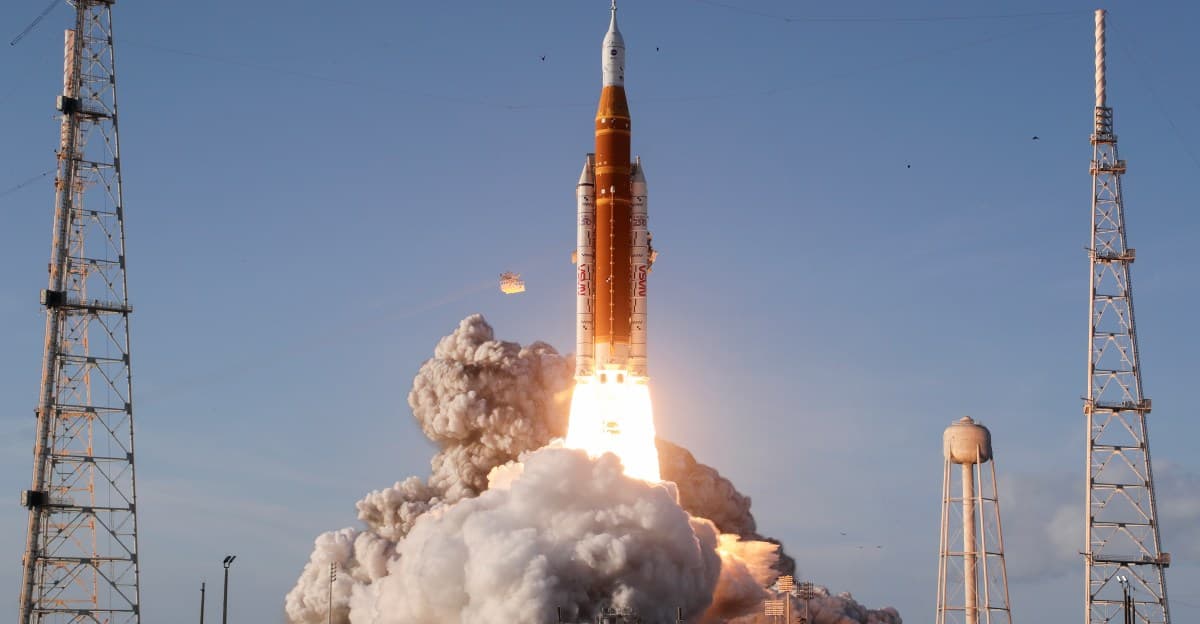
In a world where technology is deeply intertwined with daily operations, even the most advanced missions are not immune to software hiccups. This was starkly evident when NASA's Artemis II mission encountered a problem that many Earth-bound workers find all too familiar: a Microsoft Outlook glitch.
Why Tech Glitches Like This Keep Happening
It's easy to assume that space missions, with their cutting-edge technology, are free from the everyday technical issues that plague the rest of us. However, the Artemis II incident shows otherwise. As The Verge reported, mission commander Reid Wiseman experienced a failure in his Microsoft Outlook during the journey to the moon. This wasn't a unique occurrence; it was an example of how integrated commercial technologies have become in critical operations.
The rationale for using widely available software like Outlook in such high-stakes environments is clear: familiarity. Many astronauts, engineers, and support staff are already accustomed to these platforms, reducing the learning curve. But this convenience comes at a cost, as the dependency on such systems can introduce vulnerabilities.
The Overlooked Risks of Over-Reliance
Although NASA swiftly resolved the issue by remotely accessing Wiseman's Microsoft Surface Pro, the incident raises questions about the risks associated with reliance on commercial software. Wired humorously noted the situation by asking if they'd tried the age-old fix of turning it off and on again, but the underlying issue is no laughing matter. The dependency on these systems means that when they fail, the consequences can be significant, especially in an environment as unforgiving as space.
The problem wasn't just a minor inconvenience. It underscored how a small software glitch could potentially disrupt communication and data sharing during a critical mission phase. This dependence on commercial software, while practical, exposes missions to unnecessary risks.
What This Means for Future Space Missions
As we look towards future missions, such as the planned Mars expeditions, the Artemis II glitch serves as a cautionary tale. The integration of widely-used commercial software in space missions is a double-edged sword. While it facilitates ease of use and integration, it can also introduce vulnerabilities that require addressing.
"This is not uncommon," said Artemis flight director Judd Frieling, highlighting the frequency of such issues even in highly controlled environments like NASA.
As missions become more complex and ambitious, the need for robust, mission-specific software solutions becomes imperative. The reliance on commercial systems must be balanced with the development of fail-safes and redundancies that can mitigate potential disruptions.
Balancing Convenience with Security
The Artemis II incident is a reminder that no system is foolproof, and even the most advanced technology can falter. The key takeaway is the need for continuous evaluation of the tools and systems used in mission-critical operations. NASA and other space agencies must prioritize the development of resilient and secure systems that can withstand the rigors of space exploration.
Ultimately, while technology is indispensable, the Artemis II glitch reminds us that preparation for potential failures is just as crucial. As we push the boundaries of exploration, ensuring that our technological foundations are as solid as the rockets propelling us forward is essential.