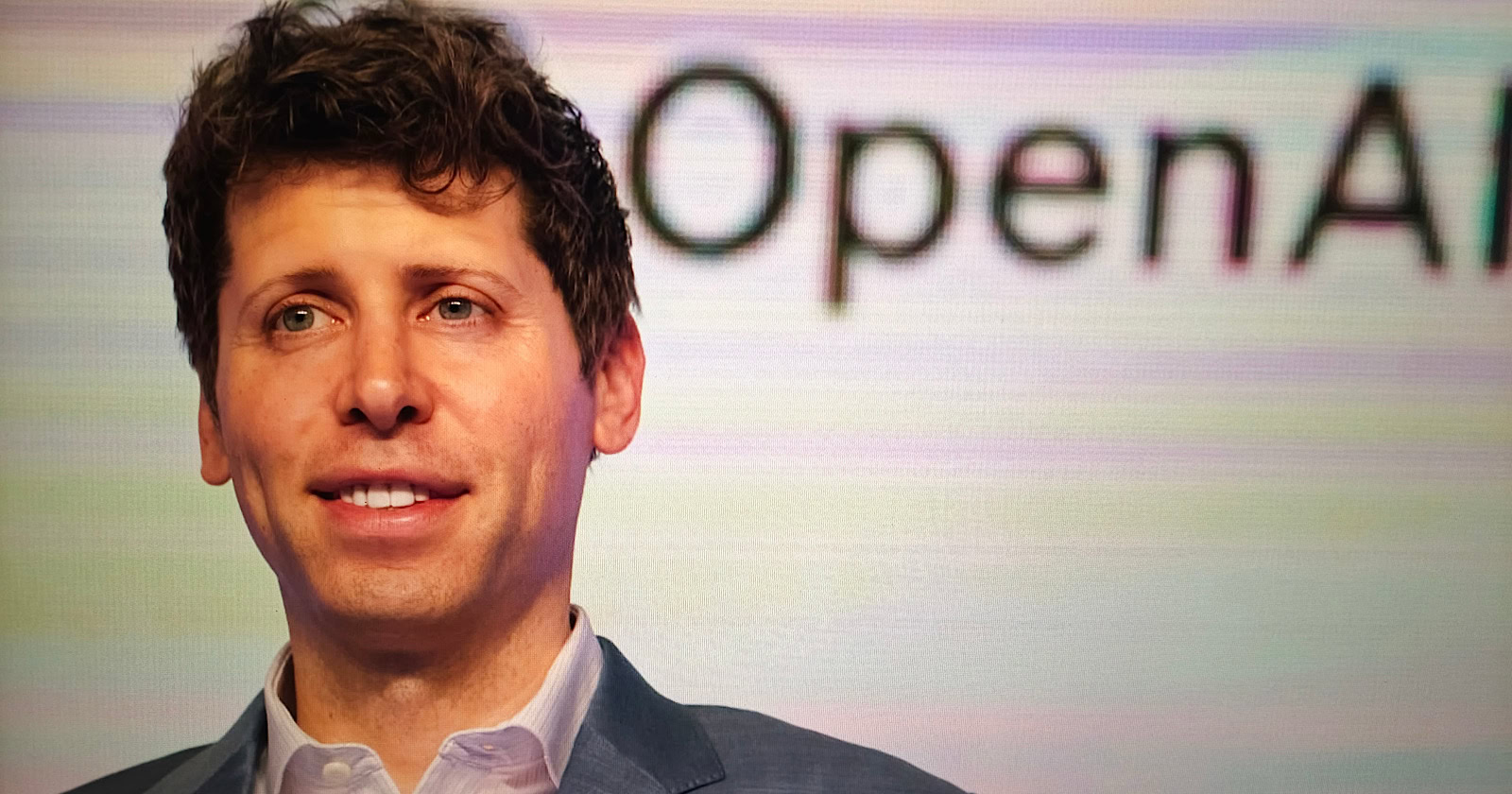
OpenAI's recent missteps with GPT-5.2 have sparked a significant debate about the future direction of AI development. Sam Altman, CEO of OpenAI, has publicly acknowledged the company's error in prioritizing coding and reasoning capabilities over writing quality in the latest version. This admission comes at a time when ChatGPT's growth has already begun to slow, raising questions about the platform's sustainability and strategic direction.
The belief that AI's primary value lies in its technical prowess has long guided developers. In an era where AI is increasingly used for complex problem-solving, it's logical to assume that improving coding and reasoning capabilities would be paramount. This perspective has led OpenAI to enhance these areas in GPT-5.2, anticipating that users would prioritize sophisticated computational skills over writing proficiency.
However, this belief is incomplete and potentially damaging. Writing quality is not a mere feature but a fundamental aspect of user interaction with AI. When users engage with ChatGPT, they expect coherent, articulate, and contextually appropriate responses. By de-emphasizing writing quality, OpenAI risks alienating a significant portion of its user base who rely on these aspects for various applications, from content creation to customer support.
Real-world tensions have begun to surface. According to a report by Search Engine Journal, Altman himself admitted, "We screwed up" regarding the writing quality in GPT-5.2. This candid acknowledgment underscores a critical miscalculation: the assumption that users would willingly sacrifice writing quality for improved coding capabilities. Furthermore, as noted by Digiday, the slowing growth of ChatGPT adds pressure on OpenAI to rethink its strategy. The introduction of ads, as a potential revenue stream, could further test user loyalty, particularly if it disrupts the user experience.
These developments highlight a broader tension in AI development: balancing technological advancements with user-centric design. The current trajectory suggests that OpenAI must recalibrate its priorities to maintain its competitive edge and user trust. Enhancements in coding and reasoning are undoubtedly valuable, but they should not come at the expense of writing quality. Users expect AI to be versatile, excelling in both technical and communicative tasks.
Our editorial stance is clear: OpenAI must address the writing quality issues in GPT-5.2 promptly and transparently. Future iterations should aim to integrate improvements across all facets of AI capability, ensuring a balanced approach that respects user needs and expectations. Additionally, any move to monetize through ads should be carefully considered to avoid alienating users who value an uninterrupted experience.
In conclusion, the path forward for OpenAI involves a delicate balance of innovation and user satisfaction. By acknowledging past mistakes and committing to a more holistic approach, OpenAI can reaffirm its leadership in the AI space while meeting the diverse needs of its user base.