The closure of OpenAI's Sora project has stirred significant discussion within the tech community, raising broader questions about the intersection of ambition and practicality in AI development. Sora, a video generation tool, was once hailed as a cornerstone of innovation, particularly after OpenAI secured a $1 billion licensing deal with Disney. However, recent announcements have revealed the project's abrupt discontinuation.
Why Sora Was Seen as a Game-Changer
Sora was not just another AI tool; it was a beacon of what was possible in the world of automated content creation. Launched in late 2024, it quickly captured attention for its potential to transform the entertainment industry. The partnership with Disney seemed to solidify its place as a pivotal player in AI-driven media.
OpenAI had positioned Sora as a revolutionary tool capable of reshaping how content was created and consumed. The promise of integrating AI-generated videos into platforms like Disney Plus offered a glimpse into a future where human creativity and machine intelligence could coalesce seamlessly.
Why OpenAI's Bet on Sora Fell Short
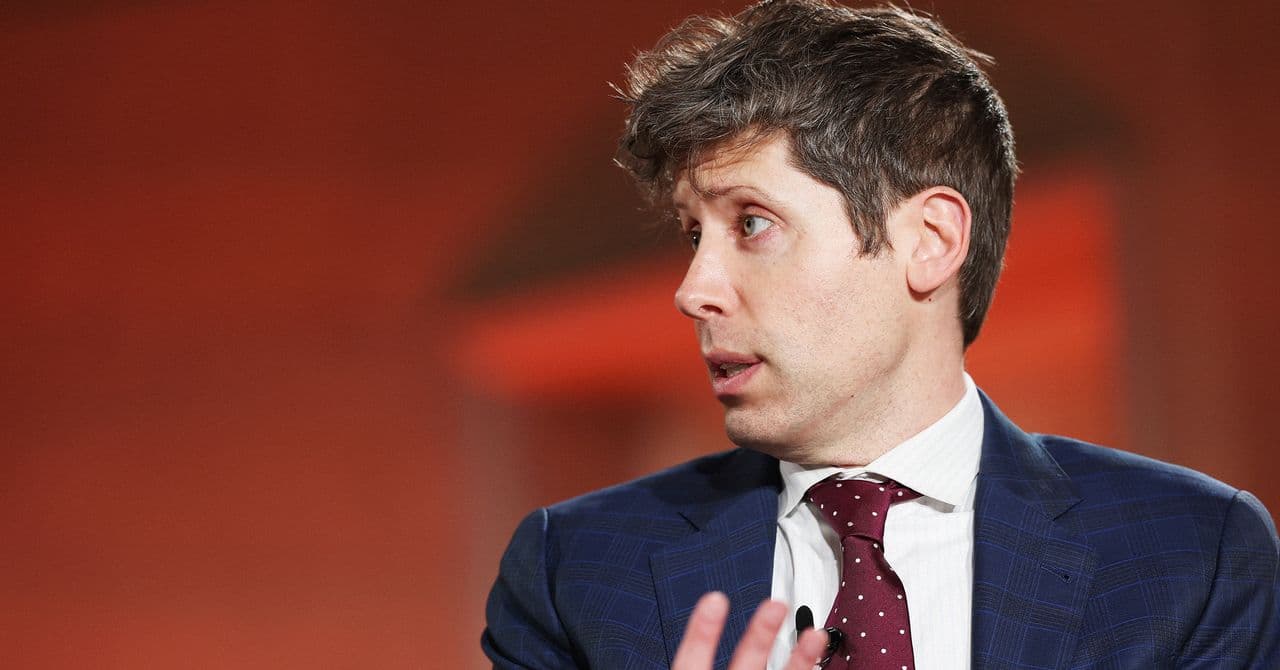
Despite its promising start, Sora's journey was fraught with hurdles. The decision to shut down the project reflects deeper issues within the AI industry, where the gap between innovation and practical application often widens. According to The Verge, OpenAI's CEO Sam Altman informed staff that Sora would not be integrated into ChatGPT, as previously speculated.
This decision underscores a growing recognition within tech companies that not all ambitious projects align with market demands or profitability. While Sora showcased impressive technological capabilities, the reality of its integration into existing platforms and its economic viability remained questionable.
The Ripple Effects on Disney and Beyond
The ramifications of Sora's shutdown extend beyond OpenAI. Disney's $1 billion investment, aimed at leveraging Sora's capabilities, now hangs in uncertainty. The Verge reports that Disney's plans to embed Sora into Disney Plus are now stalled, casting doubt on the future of AI-enhanced media within the company.
"Less than a week into his tenure as Disney's CEO, Josh D'Amaro is already dealing with two separate crises," states The Verge, highlighting the upheaval at Disney following the Sora announcement.
The situation illustrates a broader tension in the tech industry: the struggle to balance cutting-edge innovation with market feasibility. As companies like OpenAI push the boundaries of what's possible, they must also navigate the complex landscape of consumer expectations and economic realities.
A Clear Need for Strategic Focus
The Sora shutdown is a stark reminder of the need for strategic focus in AI development. OpenAI's decision to pivot towards a unified AI assistant and enterprise tools suggests a shift towards more practical, scalable applications. The Wired article notes that OpenAI is eyeing an IPO, which may explain its move towards projects with clearer commercial potential.
This shift highlights a critical lesson for tech innovators: while ambitious projects are essential for progress, they must be grounded in a clear understanding of market needs and operational sustainability.