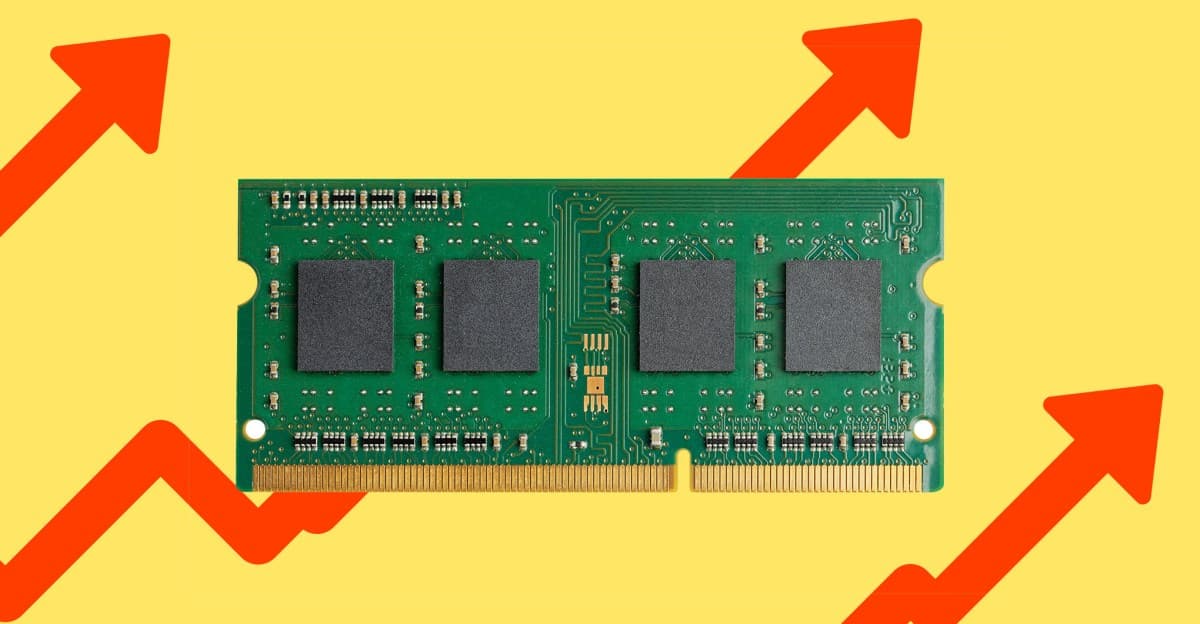
The world of consumer electronics is facing a crisis that few saw coming: a severe shortage of RAM. This essential component, which powers everything from smartphones to gaming consoles, is becoming increasingly scarce, and the reason lies in the burgeoning field of artificial intelligence. Companies like OpenAI, Google, and Meta are consuming vast quantities of RAM for their data centers, leaving little for the consumer market. As a result, prices for RAM have skyrocketed, causing a ripple effect across the electronics industry.
Currently, the prevailing belief is that the RAM shortage is a temporary hiccup, a blip in the supply chain that will soon resolve itself. Many consumers and industry insiders assume that prices will stabilize and that the market will return to normal within a few months. However, this assumption is proving to be dangerously optimistic. According to The Verge, analysts at the International Data Corporation predict that the shortage could persist well into 2027, a timeline that suggests long-term implications for the consumer tech market.
The belief in a quick resolution fails to account for the significant shift in market dynamics. Memory manufacturers like Samsung, SK Hynix, and Micron are redirecting their focus away from consumer electronics to fulfill lucrative contracts with AI companies. This strategic move makes financial sense for these corporations but leaves consumers in a bind. The Verge reports that companies such as Raspberry Pi and Framework have already adjusted their pricing in response to these changes, with many others like Dell and Asus warning of impending hikes.
The tension in the market is palpable. As reported by 9to5Google, Nothing's CEO Carl Pei confirmed that their smartphones will see price increases in 2026 due to rising memory costs. This is not an isolated incident; it is a trend that is being echoed across the industry. The Verge highlights that some stores are now selling "prebuilt" PCs without RAM, a testament to how dire the situation has become. Despite this, PC shipments unexpectedly grew in late 2025, driven by a rush to secure inventory before the situation worsens.
Our editorial stance is clear: the RAM shortage is not a temporary inconvenience but a structural issue that demands attention from both consumers and policymakers. The prioritization of AI companies over consumer products is a strategic decision that benefits the few at the expense of the many. Consumers will inevitably bear the brunt of these costs, a reality that underscores the need for greater regulatory scrutiny and strategic planning.
The path forward requires a multifaceted approach. Policymakers must consider incentives or regulations that ensure a balanced distribution of resources between AI development and consumer needs. Meanwhile, consumers should prepare for the financial implications of this ongoing shortage. Awareness and adaptation are essential as the market adjusts to this new reality.
In conclusion, the RAM shortage is a symptom of a larger transformation within the tech industry. As AI continues to expand, the demand for resources will only increase, leaving consumers to navigate a landscape of higher prices and reduced availability. The time to act is now, before these issues become even more entrenched.