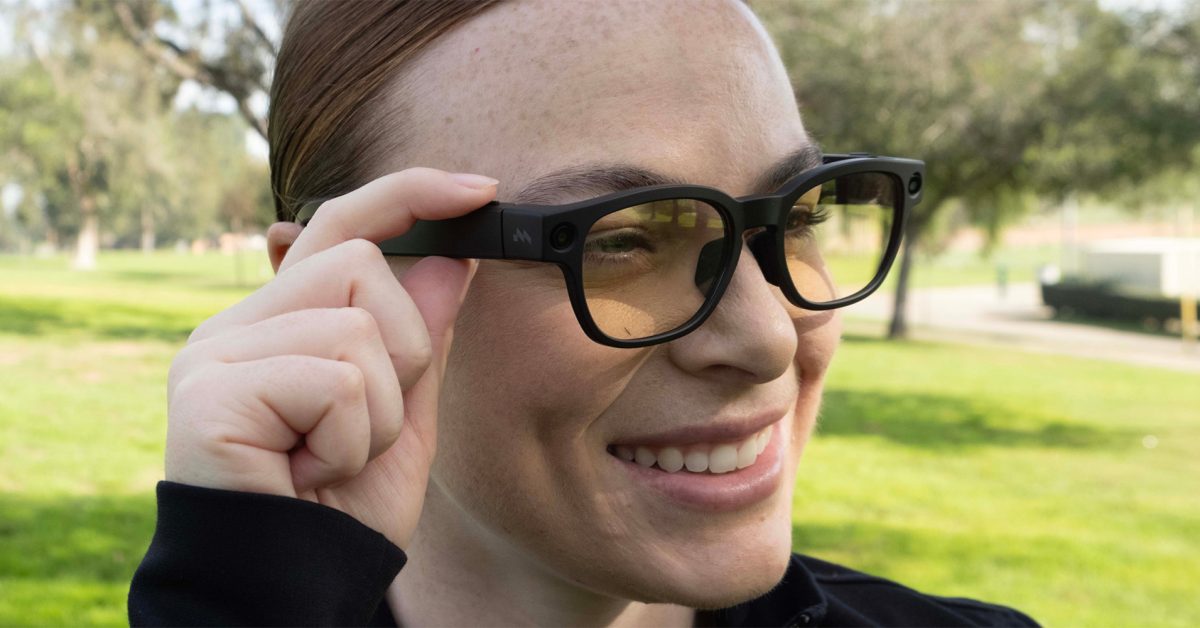
Smart glasses have long been touted as the next big thing in wearable technology. Yet, despite the hype, they have struggled to break into the mainstream. In recent years, however, there has been a resurgence of interest, driven by new models like the Mentra Live smart glasses, which promise to outshine competitors like Ray-Ban Meta by offering more extensive features and functionalities. The promise of integrating YouTube livestreams and an app store makes these glasses seem like a futuristic dream come true. But is this enough to captivate the everyday consumer?
The current belief among tech enthusiasts and manufacturers is that adding more features will finally push smart glasses into widespread use. This perspective holds that by packing in capabilities such as YouTube livestreams and app stores, products like the Mentra Live glasses will revolutionize how we interact with the digital world. It is a classic case of more is better.
This belief, however, is misguided. While features are undoubtedly important, they are not the sole factor driving consumer adoption. The market has seen this before with various tech gadgets that, despite being feature-rich, failed to gain traction because they did not address the core needs of their users. For instance, the Ray-Ban Meta glasses, despite their popularity, are criticized for their limited functionality, highlighting that the allure of features quickly fades if they do not enhance daily life in a meaningful way.
In the real world, the tension lies between what manufacturers believe consumers want and what consumers actually need. The emergence of Google's Android XR app, as reported by 9to5Google, signifies a shift towards enhancing user experience rather than merely adding features. Google's focus on software development suggests that the future of smart glasses lies in seamless integration with existing technologies and intuitive user interfaces, not just in hardware advancements.
The editorial stance here is clear: the future of smart glasses depends on practicality, not just features. While the Mentra Live glasses offer exciting possibilities, they must deliver real-world utility to succeed. Consumers will only embrace smart glasses if they provide genuine solutions to everyday problems, rather than just novel ways to consume content. The integration of features should enhance usability, not complicate it.
Ultimately, tech companies need to focus on creating a symbiotic relationship between hardware and software that prioritizes user experience. The development of Google's Android XR app is a step in the right direction, emphasizing the importance of an intuitive interface that can be easily adapted to user needs. This approach could well be the key to unlocking the potential that smart glasses have long promised but have yet to deliver.
In conclusion, while the allure of new features in smart glasses like the Mentra Live is undeniable, the true measure of success will be their ability to seamlessly integrate into and improve our daily lives. Only by focusing on practical applications and user-centric design can smart glasses finally become a staple in consumer technology.