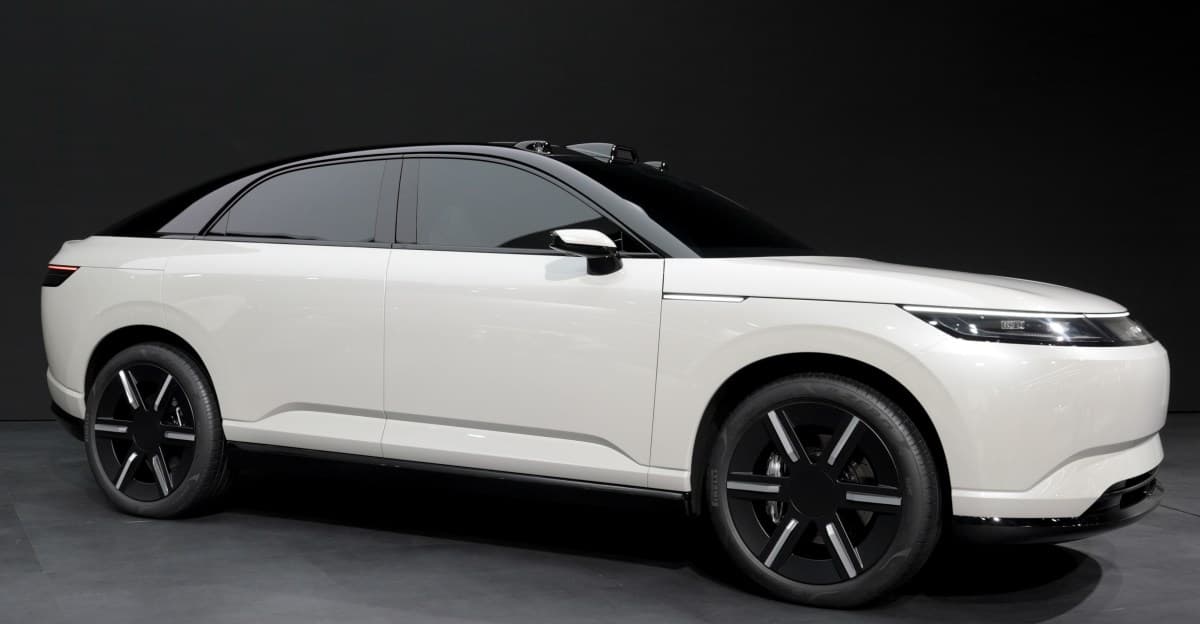
Sony and Honda's decision to discontinue the Afeela electric vehicles might seem like a sudden twist in the saga of automotive innovation. However, this move reflects a deeper misunderstanding of the electric vehicle (EV) market's current trajectory. The joint venture's collapse underscores the complexities and challenges that even established names face in the rapidly evolving EV landscape.
The Afeela Dream Fueled by Misplaced Optimism
When Sony and Honda announced their collaboration on the Afeela electric sedan and SUV, it seemed like a promising venture. The partnership aimed to leverage Sony's technology prowess with Honda's automotive expertise. However, the initial enthusiasm masked underlying issues. A report from The Verge reveals that the venture was built on overly optimistic projections of EV demand and favorable policy environments. The reality, however, was less accommodating.
Honda's recent financial writedown of 2.5 trillion yen ($15.7 billion) starkly contrasts with the initial optimism surrounding the Afeela. This massive loss marks Honda's first annual loss in over 70 years, indicating the depth of the miscalculation in their EV strategy. This situation begs the question: did Sony and Honda rely too heavily on speculative market conditions?
Why the Afeela Vision Fell Short
The discontinuation of the Afeela is not just a matter of poor timing or execution. It's a reflection of strategic missteps in understanding consumer readiness and market maturity. According to Wired, the six-year rollout plan for the Afeela was fraught with challenges that were not adequately addressed from the start. The lack of a viable market strategy and an overreliance on external factors like government incentives contributed to the project's downfall.
Moreover, the Afeela's pricing strategy—a $90,000 sedan—was out of touch with market realities. As EV technology becomes more common, consumer expectations shift towards affordability and practicality. The failure to align with these expectations further alienated potential buyers.
Real-World Consequences of Market Misalignment
The repercussions of the Afeela's failure extend beyond Sony and Honda. This situation highlights a broader trend of misalignment between EV manufacturers and market demands. The abrupt policy changes and reduced subsidies for EVs have exposed vulnerabilities in companies that have not adequately diversified their strategies.
"Sony Honda Mobility determined there was not a 'viable path forward' after Honda recalibrated its EV strategy following steep losses," reports The Verge.
Such recalibrations are now necessary as companies face the harsh realities of a market that is less predictable than initially thought. This scenario forces automakers to reconsider their approach, focusing on flexibility and consumer-centric models rather than speculative projections.
A Wake-Up Call for the EV Industry
The discontinuation of the Afeela should serve as a wake-up call for the entire EV industry. It emphasizes the need for a more grounded approach to EV production and market strategy. Companies must recognize that consumer adoption is a gradual process that requires time, education, and adaptability to changing market conditions.
As the industry moves forward, the lessons from Sony and Honda's experience must be heeded. Success in the EV market hinges not just on technological innovation but also on realistic market assessments and agile business strategies. The Afeela's story is a reminder that even the most promising ventures can falter if they lose sight of these essential elements.