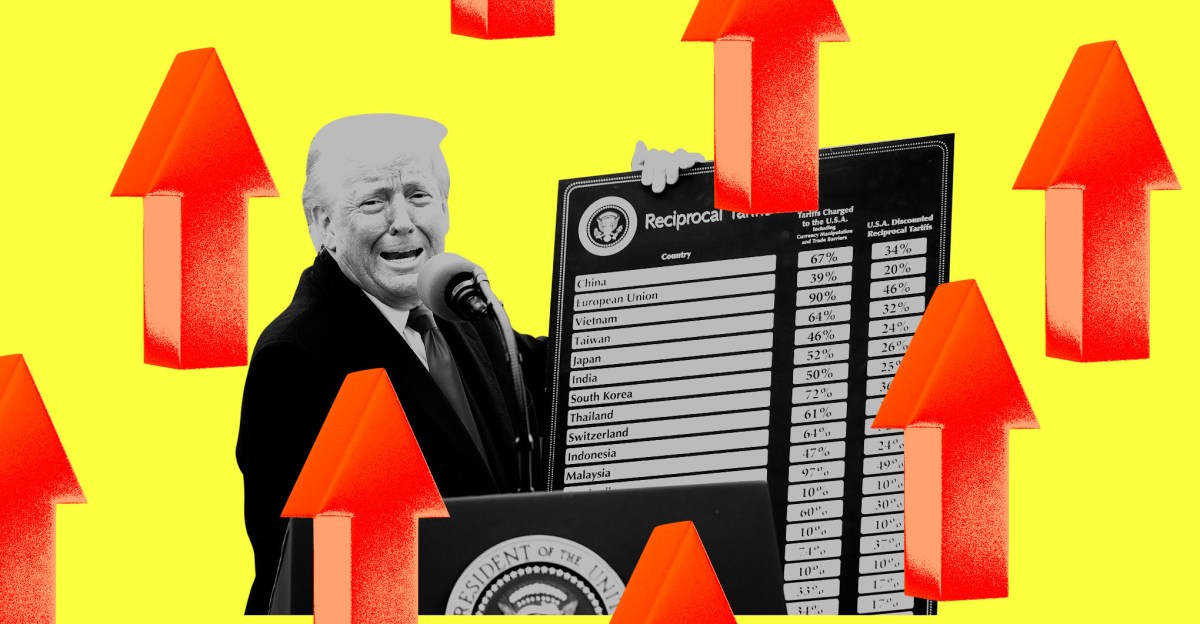
The Supreme Court’s recent decision to strike down Donald Trump’s tariffs marks a pivotal moment in U.S. trade policy. This ruling not only questions the legality of using the International Emergency Economic Powers Act (IEEPA) for imposing tariffs but also sets the stage for a significant economic and political debate. The decision could have extensive implications, particularly as it places the U.S. government in a precarious position regarding $175 billion in potential refunds.
A Conflicted Use of Presidential Powers
The Trump administration’s decision to impose tariffs using the IEEPA has been contentious from the start. This 1977 law was intended to empower the president to declare a national emergency only when facing external threats. However, Trump's administration interpreted the act's scope broadly, using it to levy tariffs on foreign imports.
The justification for this approach was always on shaky ground. According to The Verge, the administration’s use of the IEEPA to justify these economic measures was unprecedented, and the Supreme Court ruling underscores this misuse of presidential power.
Why the Supreme Court's Decision Matters
The Supreme Court’s ruling is significant as it dismantles a central economic strategy of the Trump administration. As reported by Wired, the 6-3 decision highlights the judiciary's role in checking executive overreach, reinforcing that economic policies must have a firm legal foundation.
This ruling also raises questions about the balance of power between the branches of government and the limits of presidential authority. The decision suggests that economic strategies should not be implemented through emergency powers designed for different circumstances, a stance that could influence future administrations.
Real-World Impact and Economic Repercussions
The financial consequences of this ruling are potentially severe. With the U.S. government facing up to $175 billion in tariff refunds, businesses that paid these tariffs are likely to seek reimbursement, creating a fiscal challenge. This financial strain could affect budget allocations and economic priorities in the coming years.
Beyond the financial implications, this decision may affect international trade relations. Countries previously subjected to these tariffs might view the ruling as a diplomatic victory. It could lead to a reevaluation of trade policies and partnerships, requiring a more collaborative approach to international economic relations.
Charting a New Course for U.S. Trade Policy
The Supreme Court’s decision is a call to reassess the mechanisms of trade policy formulation. It highlights the need for clear, legally sound strategies that respect the separation of powers and consider long-term economic impacts. The ruling serves as a reminder that economic policies should be rooted in robust legal frameworks to ensure they withstand scrutiny and serve national interests effectively.
As the U.S. navigates the aftermath of this ruling, policymakers must consider how to balance executive flexibility with legislative oversight. The decision underscores the importance of developing trade policies that align with both legal standards and economic objectives, ensuring sustainable growth and stability.
FAQs on Supreme Court's Tariff Ruling
What was the basis of the Supreme Court's ruling?
The ruling was based on the misuse of the IEEPA, which was not intended for imposing tariffs on foreign imports.
How much could the U.S. owe in tariff refunds?
The U.S. government could be liable for up to $175 billion in refunds to businesses affected by the tariffs.
What are the broader implications of this ruling?
This decision may lead to reevaluations of trade policies and could influence the balance of power in U.S. governance.
How might this affect U.S. trade relations?
It could improve relations with countries affected by the tariffs, prompting more cooperative international economic strategies.