
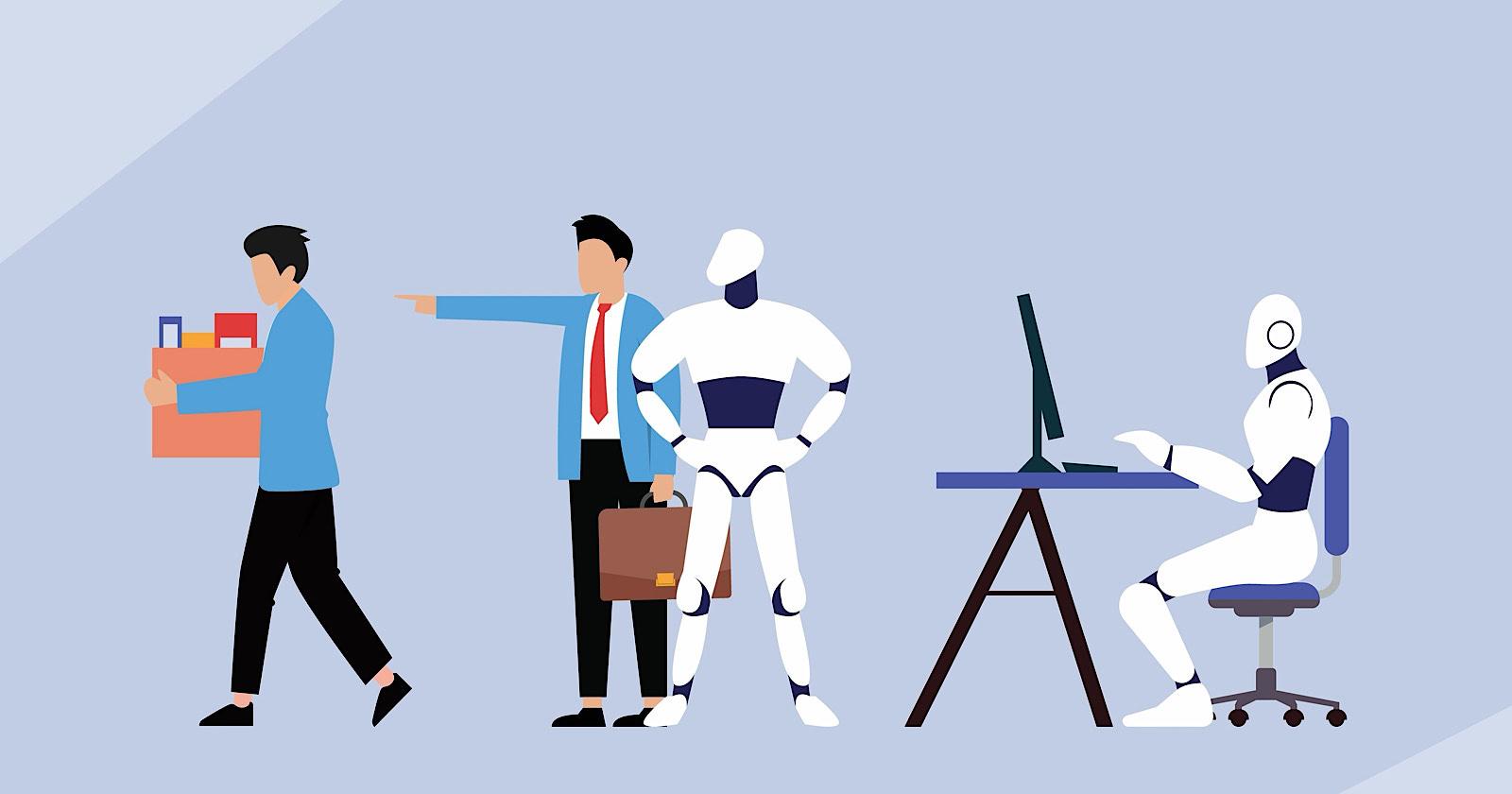
The growing role of artificial intelligence in modern industries is causing both excitement and concern. Recent reports indicate that AI was responsible for 25% of U.S. job cuts in March, raising questions about whether the benefits of AI outweigh its disruptive impact on employment.
Why AI's Promise Seems Unstoppable
Many proponents of AI argue that the technology's potential to revolutionize industries is too significant to ignore. The efficiencies gained through automation could lead to cost savings and increased productivity. This is particularly evident in sectors such as B2B sales, where AI is not only streamlining processes but also creating new business models. As noted in a report from SaaStr Blog, companies like Salesforce and Mangomint are leveraging AI to reshape how they operate, pointing to the transformative power of technology.
"AI led all cited reasons for U.S. job cuts in March at 25% of the total, according to outplacement firm Challenger, Gray & Christmas." Source
Why the Optimism May Be Misplaced
However, the optimism surrounding AI is not without its critics. The same advancements that promise efficiency are also leading to significant job losses. As detailed in the Search Engine Journal, AI was the leading cause of job cuts in March, accounting for a quarter of the total layoffs. This stark reality highlights a growing tension between the promise of technology and its human cost.
Critics argue that the speed of technological adoption is outpacing the ability of the workforce to adapt. The skills required for new AI-driven roles are often beyond the reach of those displaced by automation. This gap suggests that without strategic interventions, the benefits of AI could remain confined to a select few, exacerbating inequality.
Real-World Tensions in AI's Impact
The impact of AI on job markets is not just a statistical concern but a real-world challenge. Industries are grappling with the dual pressures of integrating AI and managing its social implications. The discussions at SaaStr AI London highlighted these tensions, showcasing how different sectors are reacting to AI's pervasive influence. While some companies thrive, others are left to navigate the complexities of a rapidly changing landscape.
There is a pressing need for policies that address these challenges. Retraining programs and education initiatives could help bridge the skills gap, ensuring that workers are not left behind in the AI revolution.
AI's Future: Balancing Innovation and Job Security
The debate around AI's role in job markets is far from over. While the technology offers undeniable benefits, its potential to disrupt livelihoods cannot be ignored. A balanced approach that fosters innovation while safeguarding job security is essential. Stakeholders, from policymakers to industry leaders, must work collaboratively to create an ecosystem where technology serves as an enabler rather than a threat.
In conclusion, AI's role in modern industries is a double-edged sword. While it promises unprecedented advancements, it also poses significant challenges that require thoughtful and inclusive strategies to ensure a future where both technology and humanity thrive.