
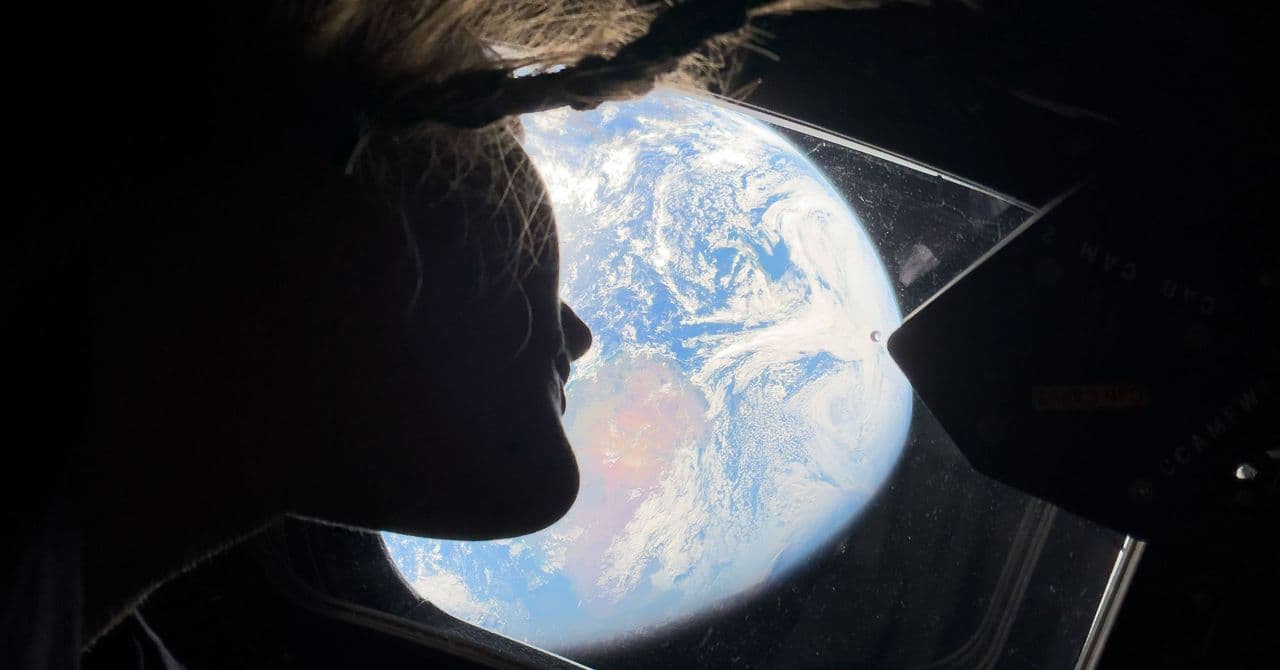
The Artemis II mission has captured the public's imagination with its promise of a lunar flyby and spectacular views of Earth from space. However, beneath the surface of public excitement lies a complex web of challenges that space missions like Artemis II must navigate, often overshadowed by the allure of exploration.
Why Do We Romanticize Space Exploration?
The allure of space exploration, particularly missions like Artemis II, taps into a deep-seated human fascination with the unknown. The prospect of venturing to the Moon and beyond is romanticized as a pinnacle of human achievement. This perspective is reinforced by media coverage, such as the Wired article that highlights the mission's potential and historic significance. Yet, this narrative often overlooks the gritty realities of such endeavors.
The excitement surrounding Artemis II is understandable. The crew's journey to the far side of the Moon promises new scientific insights and breathtaking imagery. However, the public's focus on these aspects often leads to a superficial understanding of the mission's true complexity. This romantic view can obscure the practical challenges that must be overcome to ensure mission success.
Technical Hurdles Behind the Glamour
While Artemis II garners attention for its groundbreaking aspirations, the mission also faces mundane but critical technical challenges. For instance, the recent attempt to fix a malfunctioning toilet on the spacecraft underscores the unpredictable nature of space missions. Such issues, while seemingly minor, can have significant implications for crew comfort and mission continuity.
These technical hurdles are often overshadowed by the broader narrative of exploration. Media outlets might focus on the mission's objectives, glossing over the intricate details of spacecraft maintenance and crew well-being. This oversight can lead to a skewed perception of the mission's success and the immense effort required to address unforeseen complications.
The Realities of Space Mission Logistics
Space missions like Artemis II are not just about reaching celestial bodies; they involve a complex interplay of logistics, technology, and human factors. The Wired article mentions the testing of key systems for future lunar missions, highlighting the ongoing need for innovation and adaptability. However, these elements are often downplayed in favor of more glamorous aspects of exploration.
Real-world tension arises when public perception and mission realities diverge. The success of Artemis II hinges not only on the technology but also on the crew's ability to manage unexpected challenges. The mission's complexity demands a nuanced understanding of space exploration as a multifaceted endeavor, rather than a straightforward journey to the Moon.
Space Exploration Demands More Than Enthusiasm
The Artemis II mission serves as a reminder that space exploration requires more than just enthusiasm and technological prowess. It calls for a comprehensive approach that addresses both anticipated and unforeseen challenges. As the crew navigates the intricacies of their journey, it becomes clear that missions of this magnitude demand resilience, creativity, and an unwavering commitment to problem-solving.
In conclusion, while Artemis II captivates with its promise of lunar exploration, it also exposes the underlying complexities of space missions. Recognizing these challenges is essential to appreciating the full scope of human endeavor in space.