
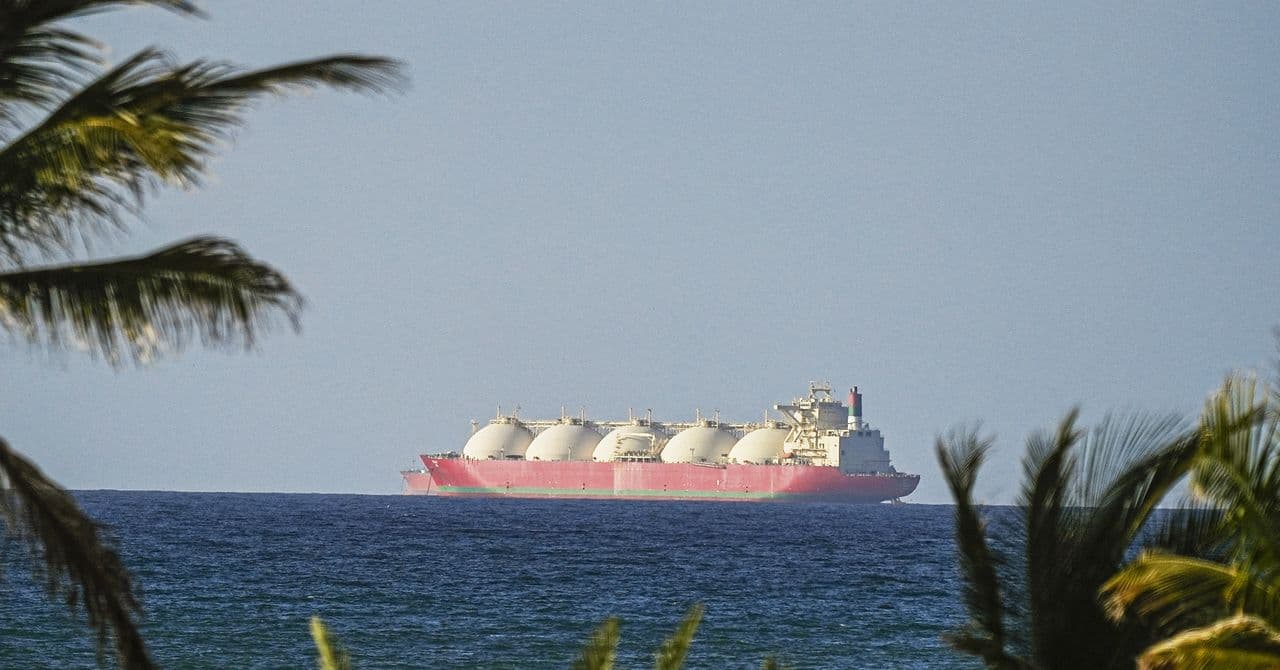
The recent ceasefire in Iran has brought a sigh of relief to many who depend on the Strait of Hormuz for the global supply of oil. However, the reopening of this crucial waterway is not a magic bullet for the complex web of global shipping logistics. Despite the political resolution, logistical challenges remain significant and multifaceted.
Why Global Shipping Won’t Bounce Back Quickly
The expectation that global shipping would swiftly return to normal following the reopening of the Strait of Hormuz is an oversimplification. According to Wired, the ceasefire might ease some immediate pressures, but the damage to infrastructure and the resulting backlogs mean that the global shipping lanes will take months to recover fully (source). This situation underscores the fragility and complexity of international logistics systems.
Traders and Insurers Remain Cautious
Even as political agreements are reached, the operational reality on the ground tells a different story. DMNews highlights that tanker operators, insurers, and logistics firms are not rushing to resume normal operations. Instead, they are waiting for proof of sustained stability before they commit to acting (source). This careful approach reveals the cautious nature of these industries, where headlines alone are insufficient to drive action.
The Hidden Costs of Disruption
The disruptions have caused significant delays and backlogs, affecting not just the oil industry but also global supply chains at large. The damage to infrastructure has lasting implications that extend beyond immediate economic impacts. These operational constraints highlight the need for more resilient systems that can withstand geopolitical fluctuations without causing widespread disruption.
What Changes Next for Global Logistics
The ongoing situation in the Strait of Hormuz teaches a critical lesson about the interconnectedness of global trade and the severe impact of disruptions. Moving forward, the industry might see a push towards diversifying supply routes and investing in more robust infrastructure to mitigate similar risks in the future. Companies may also increase their focus on strategic reserves and alternative energy sources to buffer against such geopolitical shocks.