Artificial intelligence (AI) is at the forefront of technological evolution, yet it sparks both innovation and debate. The rapid integration of AI into business operations has sparked a divisive conversation: can AI fully replace human roles? Many proponents argue that AI systems can handle tasks more efficiently, potentially rendering human roles redundant. However, this perspective overlooks the nuanced reality of AI's capabilities and limitations.
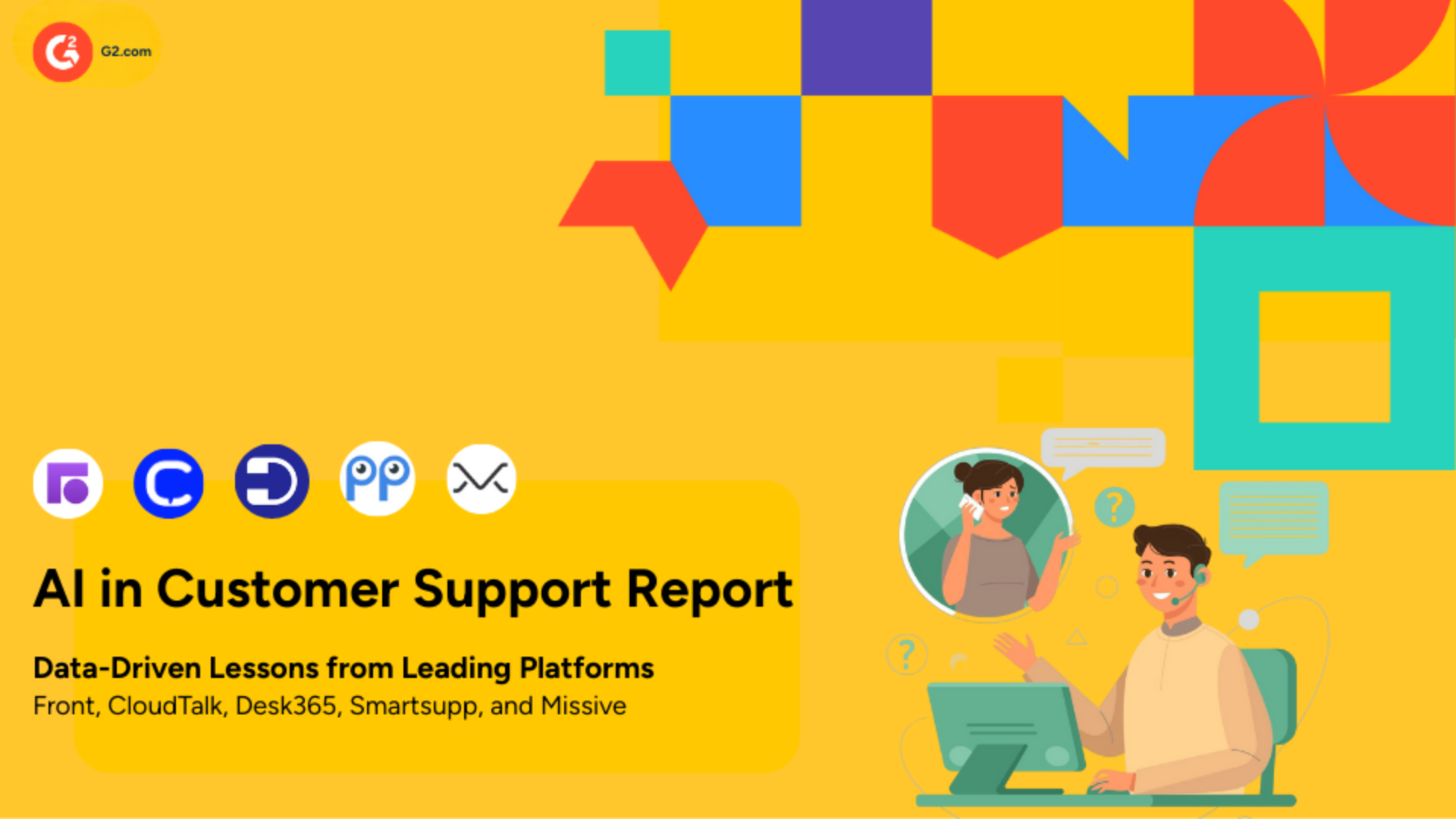
The belief that AI can replace human roles is grounded in AI's ability to process large datasets quickly and accurately. Businesses are increasingly adopting AI to enhance customer support, streamline operations, and improve decision-making processes. According to G2's AI in Customer Support Report, AI has become a central component in customer service. It facilitates conversation flow, routes issues efficiently, and reorganizes team structures to maximize productivity. These capabilities fuel the belief that AI can supplant human workers, leading to cost savings and increased efficiency.
This belief, while popular, is incomplete. AI excels in processing information but lacks the emotional intelligence and nuanced understanding that humans bring to the table. For instance, in customer support, AI can efficiently route inquiries but often fails to provide the empathy and personalized touch that human agents offer. These human elements are crucial in building customer relationships and ensuring satisfaction, which AI alone cannot achieve.
The real-world application of AI showcases a more symbiotic relationship between humans and technology. Microsoft's strategic AI datacenter planning, highlighted in the Azure Blog, illustrates how large-scale deployments of platforms like NVIDIA Rubin are designed to augment human capabilities rather than replace them. By providing the infrastructure for seamless AI integration, Microsoft enables businesses to leverage AI's strengths in data processing and analytics while still relying on human insights for strategic decision-making.
AI should be viewed as an enhancement tool rather than a replacement for human roles. The tension between AI capabilities and human intuition is evident, showing that AI's role is best suited as a complement to human efforts. Companies that recognize this balance can harness AI to improve efficiency and innovation while maintaining the human touch that remains essential in many business functions.
Thus, the editorial stance is clear: AI's promise lies not in replacing humans but in empowering them. By strategically integrating AI into business operations, companies can enhance productivity while preserving the unique qualities that humans bring to the workplace. This balanced approach ensures that AI serves as a partner in progress, driving innovation without sacrificing the human element that is vital to success.
As AI technology continues to evolve, the focus should be on developing systems that enhance human capabilities. This will require ongoing investment in AI infrastructure, such as the initiatives seen with NVIDIA Rubin and Microsoft Azure, to ensure that AI serves as a tool for empowerment rather than replacement. By embracing this perspective, businesses can navigate the challenges of AI integration while reaping its benefits.