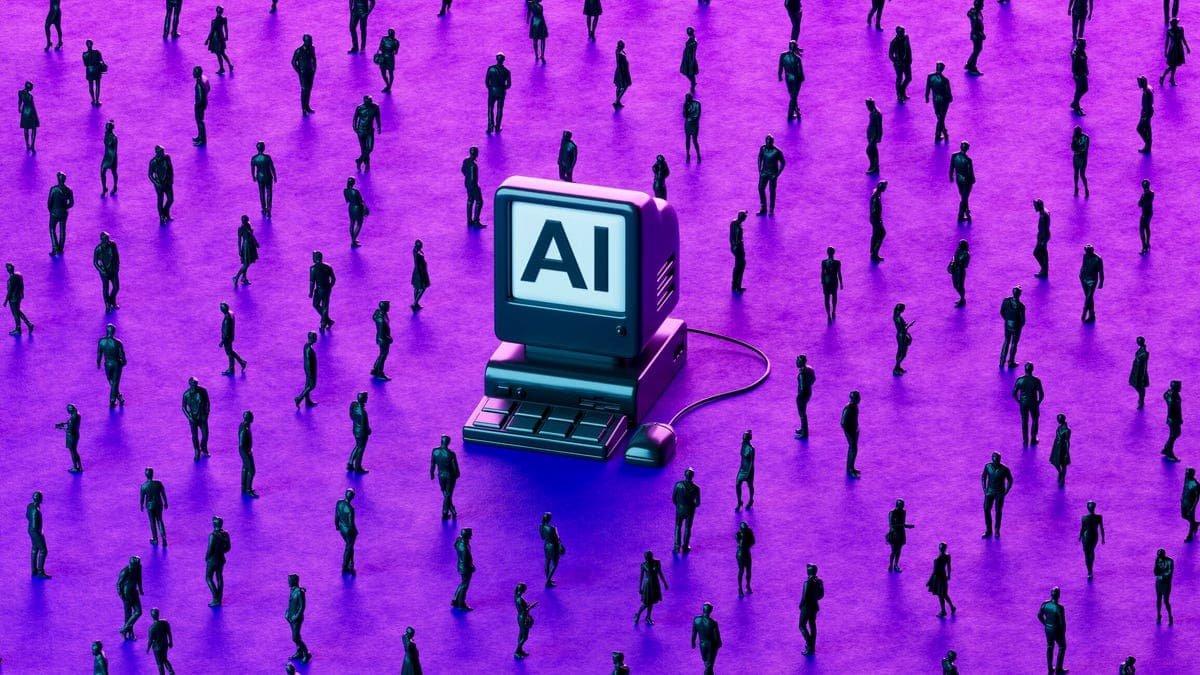
The narrative that artificial intelligence (AI) is a job killer is both alarming and misleading. While it's true that automation and AI are transforming the job landscape, the reality is far more nuanced than the doomsday scenarios often portrayed. A closer look reveals a paradox: the same roles experiencing job losses are also seeing significant gains. This contradiction suggests a deeper, more complex story about the evolving job market.
Why Everyone Believes AI Is Destroying Jobs
It's easy to see why the belief that AI is killing jobs is widespread. The media frequently highlights stories of automation replacing human labor, creating fear and uncertainty. This narrative is compelling because it taps into our deep-seated anxieties about the future and our place in it. As industries adopt AI technologies, roles traditionally held by humans, especially those involving repetitive tasks, are at risk of becoming obsolete.
A recent survey by Snowflake published on ZDNet illustrates this shift. It reveals a trend where demand is moving away from basic tech skills toward higher-level AI oversight roles. This data supports the perception of job loss, yet it only tells part of the story.
The Truth About AI Job Growth: It's Not All Bad
However, the narrative of AI as a job destroyer doesn't account for the new opportunities it creates. The same survey highlights that as some roles diminish, others are emerging. These new roles require advanced skills in AI management and oversight, suggesting that the workforce needs to adapt rather than fear extinction. This duality is the crux of the AI job paradox.
In a ZDNet article, it is noted that the occupations experiencing the most significant losses are simultaneously seeing the most considerable gains. This paradox can be attributed to the evolving nature of work, where AI augments human capabilities, leading to the creation of roles that didn't exist before.
The Real-World Tension Between Job Loss and Creation
The tension between job loss and creation is palpable in industries across the board. As AI takes over mundane tasks, the demand for skilled workers who can manage and interpret AI systems increases. This shift requires a reevaluation of workforce strategies and educational pathways to ensure that workers are equipped with the necessary skills to thrive in an AI-driven economy.
A Snowflake survey cited by ZDNet underscores this complexity: "Demand for tech jobs is evolving away from basic skills to high-level AI oversight." This statement illustrates the shift in job requirements and the need for adaptation.
The evolving job market necessitates a proactive approach. Training programs and upskilling initiatives are crucial to help workers transition into these emerging roles. By focusing on education and skill development, we can mitigate the negative impacts of AI on employment.
Reimagining Our Approach to AI in the Workforce
If we want to thrive in this new landscape, a shift in mindset is essential. Rather than viewing AI as a threat, we should see it as an opportunity to enhance human work. Embracing AI's potential for job creation requires investing in education and training to equip the workforce with the skills needed for future roles.
Policymakers, educators, and industry leaders must collaborate to develop strategies that prepare workers for the changing job market. By doing so, we can ensure that the workforce is not only prepared for the future but also empowered to leverage AI's potential for innovation and growth.
In conclusion, while AI does pose challenges to traditional job structures, it also opens the door to new opportunities. Understanding and embracing this paradox is key to shaping a future where technology and human labor coexist productively.