
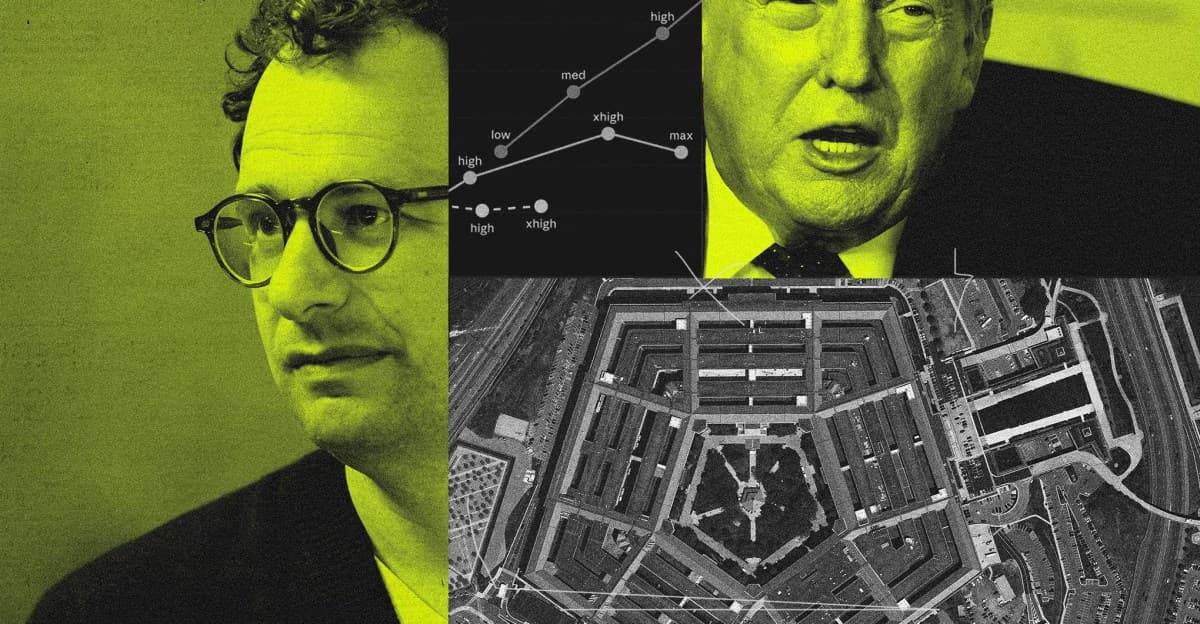
The recent developments surrounding Anthropic's Mythos 5 AI model highlight a growing tension between technological innovation and government regulation. After weeks of negotiations, the Trump administration has allowed the model's release to a select group of U.S. companies and government agencies. However, the public-facing version, Fable 5, remains unavailable, leaving many to question the implications of such selective accessibility on the future of AI technology.
Selective Access Raises Concerns Over Fair Competition
Allowing exclusive access to Mythos 5 for a select few organizations creates an uneven playing field. This decision means that only a handful of companies and agencies have the opportunity to leverage the advanced capabilities of this AI model. As reported by Wired, this restricted access could potentially widen the gap between organizations that have access to cutting-edge technology and those that do not. This raises concerns about fair competition and the potential for monopolistic practices in the tech industry.
Regulation vs. Innovation: A Delicate Balance
While the government’s decision to limit access may stem from security concerns or the desire to control the pace of AI deployment, it also poses significant challenges to innovation. The AI community thrives on openness and collaboration, and restrictions like these might hinder progress. Furthermore, the lack of a clear timeline for the release of Fable 5, the public version, as noted in The Verge, adds uncertainty and may delay potential breakthroughs in AI applications available to the broader public.
What Changes Next: Implications for Future AI Development
The selective release of Mythos 5 sets a precedent for how advanced AI technologies might be regulated in the future. As governments become more involved in the deployment of such technologies, companies need to prepare for more stringent regulatory landscapes. This could include developing strategies for compliance and advocacy to ensure that innovation is not stifled by excessive regulation. Additionally, there might be increased pressure on governments to provide clearer guidelines and policies to balance national security concerns with the need for technological advancement.
In conclusion, the current situation with Mythos 5 illustrates a critical juncture in the evolution of AI technology. While regulation is necessary to ensure ethical and safe use, it is equally important to foster an environment where innovation can thrive. The balance between these two forces will shape the trajectory of AI development in the coming years, and stakeholders must navigate this complex landscape carefully to ensure equitable and progressive outcomes.