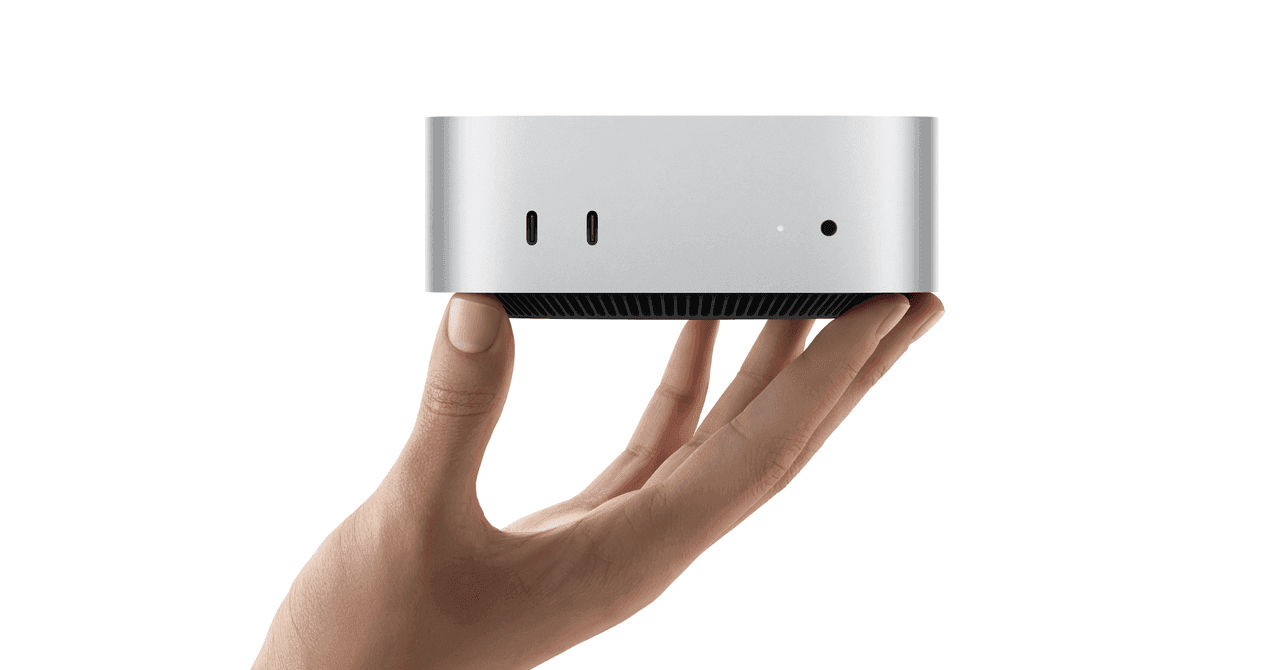
Apple's recent unveiling of the Mac Mini M6 and Mac Studio M5 Ultra is a testament to its relentless pursuit of technical prowess. However, beneath the surface of cutting-edge innovation lies a growing tension between performance and accessibility. As Apple continues to push the boundaries with AI-optimized chips, the rising cost of these devices raises questions about who truly benefits from these advancements.
Apple's AI-Powered Ambitions Come at a Price
The latest Mac Mini and Mac Studio models boast significant hardware upgrades, with the M6 and M5 Ultra chips leading the charge. These chips are designed for AI workloads, offering enhanced performance with features like a Dual 16-core Neural Engine in the M6 and the unparalleled AI performance of the M5 Ultra, which is four times faster than its predecessor, the M3 Ultra. Yet, this leap in technology is accompanied by a notable increase in price. The Mac Mini M6 sees a $200 bump, starting at $899, while the high-end M5 Pro version begins at $1,699, as noted by The Verge.
These price hikes come at a time when consumers are increasingly sensitive to cost, especially for technology that has traditionally been seen as accessible. While improved capabilities are undeniable, the question arises: are these new Macs still within reach for the average consumer?
Performance Gains vs. Familiar Designs: A Balancing Act
Despite the internal upgrades, Apple's new models maintain the same external designs as previous generations. The Mac Studio continues to use the small form factor that has been a staple since 2022, and even retains USB-A ports, a nod to legacy users. This design consistency might reassure longtime Apple fans, yet it also highlights a potential sticking point—are the substantial price increases justified when the physical product remains visually unchanged?
According to ZDNet, the Mac Studio with the M5 Ultra chip supports up to eight external displays and offers up to 512GB of unified memory, capabilities that cater to professionals requiring high-performance machines. However, the average user might not fully utilize these features, further complicating the cost-value equation.
Real-World Implications: A Market Reconsideration
The introduction of these new chips represents a pivotal moment for Apple, as it seeks to redefine the computing landscape with AI at the forefront. However, this shift may necessitate a reevaluation of its market positioning. As prices climb, Apple risks alienating a segment of its customer base that values affordability alongside innovation.
The company must navigate the delicate balance between advancing technology and maintaining its reputation for accessibility. The availability of these devices, following months of scarcity, could also impact consumer perception. As preorders for the new Mac Minis begin, with shipping dates set for September 22nd, Apple must ensure sufficient inventory to meet potential demand.
What's Next for Apple's Tech Trajectory?
Looking ahead, Apple's commitment to AI optimization through its hardware innovations is clear. However, the company faces the challenge of aligning its pricing strategies with consumer expectations. As the tech giant continues to refine its chip technology, it must consider the broader implications of its pricing model on its market share and brand loyalty.
Ultimately, Apple's move towards more powerful, AI-capable devices could redefine its role in the tech industry. But to maintain its standing, it must address the growing tension between cutting-edge performance and economic accessibility.