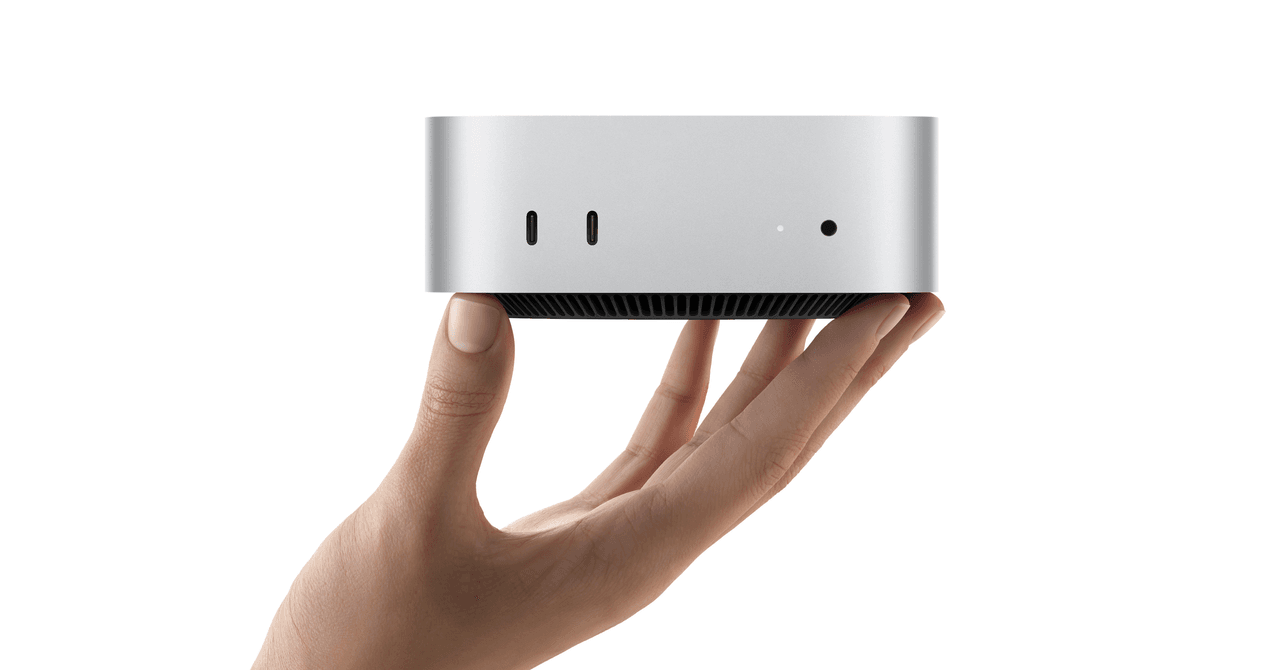
Apple has recently announced new iterations of its Mac Mini lineup, introducing the M6 and M5 Pro chips to enthusiastic tech consumers. However, a noteworthy detail accompanies this launch: a significant price hike. The base model now starts at $899, a $200 increase from previous versions, as reported by Wired. While the promise of AI-optimized performance seems enticing, consumers are left to ponder if the enhancements justify the steeper price.
Why Apple is Betting on AI-Optimized Chips
The central allure of the new Mac Minis lies in their AI-optimized M6 and M5 Pro chips. These chips are designed to deliver faster performance and improved efficiency, especially for tasks that leverage machine learning. According to The Verge, the new models retain the compact design of their predecessors, yet promise a significant boost in processing power and internet speed with upgraded ethernet ports.
Apple's strategic shift towards AI enhancements reflects a broader industry trend where AI capabilities are becoming a core selling point. The tech giant seems to be banking on the growing demand for more powerful computing devices capable of handling AI-driven applications. This move also indicates Apple's commitment to staying ahead in a competitive market where performance is a key differentiator.
Are Consumers Getting Enough Bang for Their Buck?
Despite the technological advancements, the price increase raises questions about value. The $100 to $200 bump in starting prices could be seen as a barrier for many potential buyers. While the tech-savvy segment may appreciate the cutting-edge performance, the average consumer might not perceive the benefits as worth the additional cost. This sentiment is echoed in various Reddit threads where users discuss the tangible benefits of upgrading amid financial considerations.
Moreover, the timing of this price increase coincides with ongoing global economic uncertainties. Consumers are becoming more cautious with their spending, especially on tech products that fall into the premium category. In this context, Apple's pricing strategy might deter some buyers who would otherwise be inclined to upgrade.
Supply Chain Concerns Could Affect Launch Success
Another factor that could influence the reception of the new Mac Minis is the supply chain situation. Both Wired and The Verge highlight potential supply challenges, as the previous models were difficult to come by for months. Although preorders are available today, the actual shipping won't commence until September 22nd. This delay might frustrate eager customers, potentially leading to missed sales opportunities if supply does not meet demand promptly.
What changes next? Apple must navigate these supply chain hurdles effectively to capitalize on the initial excitement surrounding the launch. Ensuring adequate inventory will be crucial in converting preorders into satisfied customers. Failure to address these logistical issues could overshadow the technological advancements and affect overall sales performance.
In conclusion, while Apple's new Mac Mini models present impressive technological advancements with AI-optimized chips, the accompanying price increase and potential supply chain issues pose significant challenges. Consumers are left weighing the enhanced features against their budgets, and Apple's ability to manage these hurdles will likely determine the success of this launch.