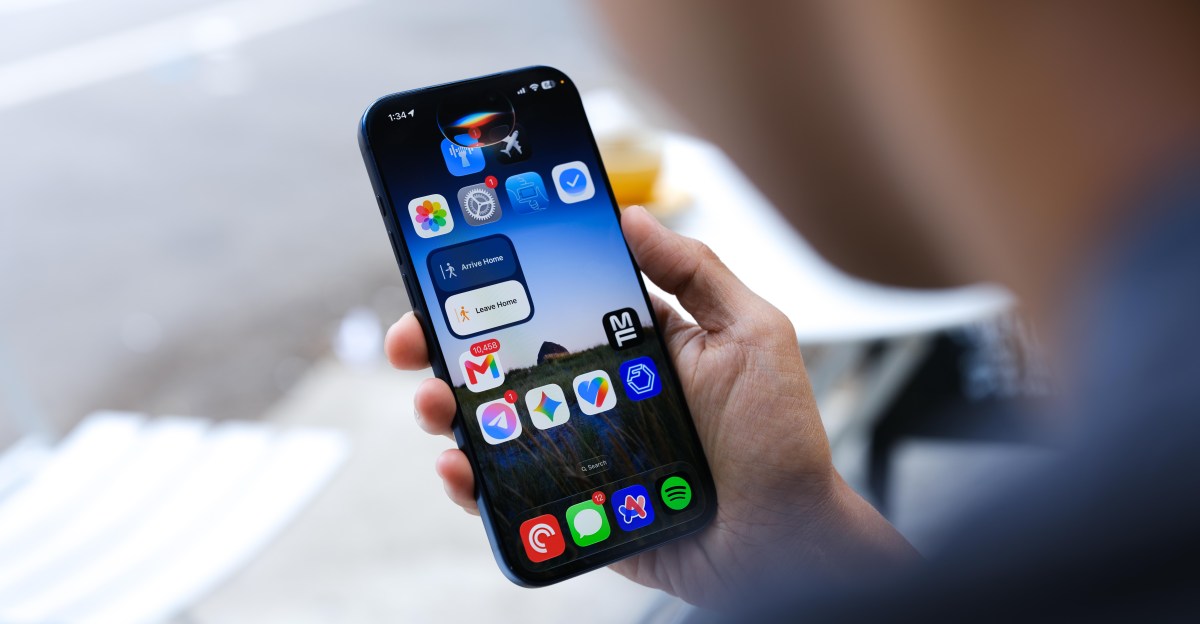
As Apple unveils its latest suite of devices and software updates, the tech giant once again places Siri at the center of its innovation strategy. With the upcoming release of iOS 27 on September 14, Apple introduces Siri AI, a more intelligent and responsive digital assistant, initially available in English. While this marks a significant leap in AI integration, the rollout prompts questions about accessibility and privacy that consumers and tech enthusiasts are eager to address.
Why Siri AI Matters More Than Ever
The technological enhancements to Siri AI aren't just incremental; they represent a strategic pivot for Apple in the competitive AI landscape. According to The Verge, the new Siri AI comes as a part of Apple's iOS 27 update, bringing advanced capabilities to Apple devices. With promises of enhanced understanding and interaction, Siri AI is poised to redefine user experience by leveraging machine learning algorithms that adapt over time.
This advancement is not just about keeping up with competitors like Google Assistant or Amazon's Alexa. It's about positioning Apple's ecosystem as a seamless, intuitive hub for personal technology management. However, the initial restriction to English-only devices highlights a key tension in the global market's expectations versus technological rollouts, which Apple plans to address by expanding language support in October.
Beyond Phones: The AI Leap in Wearables
Apple's commitment to AI is not limited to smartphones. As reported by The Verge, the Apple Watch Ultra 4 and Series 12 are designed to leverage the new Siri AI capabilities fully. Featuring new processors, these devices promise improved performance, particularly in AI-driven features such as real-time audio transcription and personalized summaries of daily activities.
These innovations point to a future where wearables become not just fitness trackers but comprehensive personal assistants. However, this raises crucial questions about data privacy and the extent of ambient listening. While features like Live Rewind and Siri Recap offer convenience, they also necessitate ongoing discussions about user consent and data security.
Addressing the Accessibility and Privacy Puzzle
Even as Apple pushes the boundaries of what AI can do, the limitations in language support and potential privacy concerns can't be overlooked. The initial restriction of Siri AI to English devices signals a staggered approach to global accessibility, a decision that could alienate non-English speaking users during the initial rollout phase. Moreover, the sophisticated ambient listening features in the new Apple Watches prompt critical privacy discussions.
Ambient listening, while innovative, raises questions about how much users are willing to trade privacy for convenience. Apple's decision to incorporate these features reflects a broader industry trend, but also highlights the need for robust privacy policies and transparent user agreements that clearly communicate how data is collected, stored, and used.
What Changes Next: Bridging the Gap
Looking ahead, Apple's success in this AI endeavor will hinge on its ability to address these concerns decisively. Expanding language support swiftly and transparently will be vital in maintaining global user trust and satisfaction. Furthermore, enhancing privacy protocols and ensuring that users have control over their data will be crucial in navigating the fine line between innovation and intrusion.
As Apple continues to refine Siri AI and its integration across devices, the company's ability to balance cutting-edge technology with user-centric policies will define its role in the AI landscape. The journey from a voice assistant to an intelligent, trustworthy companion is fraught with challenges, but also rich with potential for redefining personal and wearable technology.