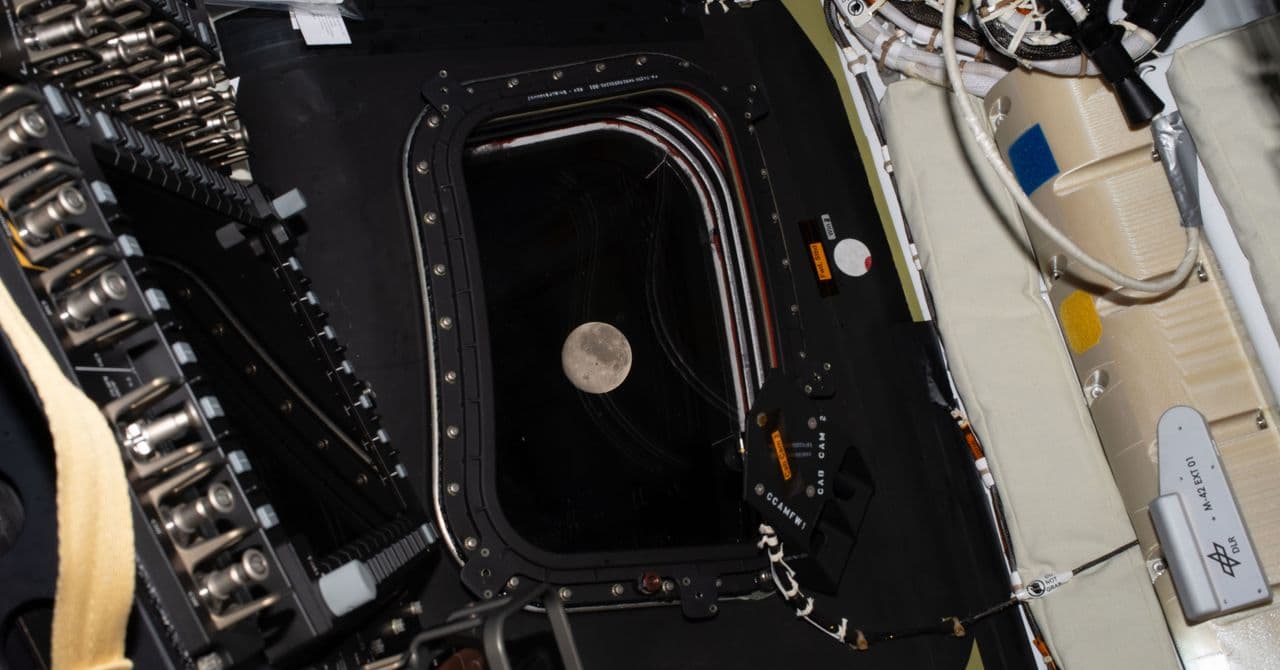
The recent return of the Artemis II mission from its journey around the Moon has sparked renewed discussions about the direction of human space exploration. This mission, noted for traveling further from Earth than any manned mission before it, represents more than a technical achievement; it is a statement about humanity's aspirations and priorities in space.
Why the Moon Still Captivates Us Despite the Mars Hype
For years, the focus of space exploration seemed to be shifting towards Mars, with numerous missions planned and hypothesized about colonizing the red planet. However, the Artemis II mission has brought the Moon back into the spotlight. One might wonder why NASA and its partners have invested in a lunar mission when Mars appears to be the ultimate prize. The answer lies in the strategic and scientific value the Moon offers. Its proximity to Earth makes it an ideal testing ground for technologies and systems that will eventually be needed for Mars explorations.
Moreover, the Moon offers unique opportunities for scientific research. The far side of the Moon, which Artemis II orbited, provides a pristine environment for astronomical observations, free from the radio interference present on Earth. The mission's success is a testament to the Moon's continued relevance in the grand scheme of space exploration.
Breaking the Myths: The Real Challenges of Lunar Missions
Despite the allure, lunar missions are not without their challenges. The Artemis II mission had to overcome significant hurdles, including the complex navigation required to travel to and from the Moon's far side. These challenges are compounded by the need to ensure the safety of astronauts over extended periods in space, which presents its own set of logistical and technical difficulties.
The successful return of the Artemis II crew highlights the advancements in space technology, particularly in life support systems and spacecraft design. However, it also underscores a critical debate: should resources be concentrated on perfecting lunar missions, or should we expedite efforts towards reaching Mars? The answer is not straightforward, as both paths offer distinct benefits and require substantial investment.
What's Next: How Artemis II Paves the Way for Future Exploration
The Artemis II mission is more than just a lunar expedition; it is a stepping stone for future deep-space missions. The technologies and experiences gained from this mission are invaluable for planning and executing longer and more complex missions to Mars and beyond. The mission's success has reinvigorated public interest and political support for space exploration, potentially unlocking additional funding and resources.
Looking ahead, the Artemis program aims to establish a sustainable human presence on the Moon, which could serve as a gateway for future Mars missions. This approach could redefine how humanity approaches space exploration, emphasizing incremental steps over giant leaps.
In conclusion, the Artemis II mission is a reminder of the vast potential of space exploration. While the Moon may not be the ultimate destination, it is a crucial waypoint on our journey through the solar system. The mission's success invites us to reconsider the narrative of space exploration, balancing the immediate possibilities of lunar missions with the long-term vision of reaching Mars.