Artificial intelligence is making waves in healthcare, promising breakthroughs that could redefine patient care. Yet, amidst the excitement, a tension lies beneath the surface: the gap between AI's potential and its practical application in the medical field.
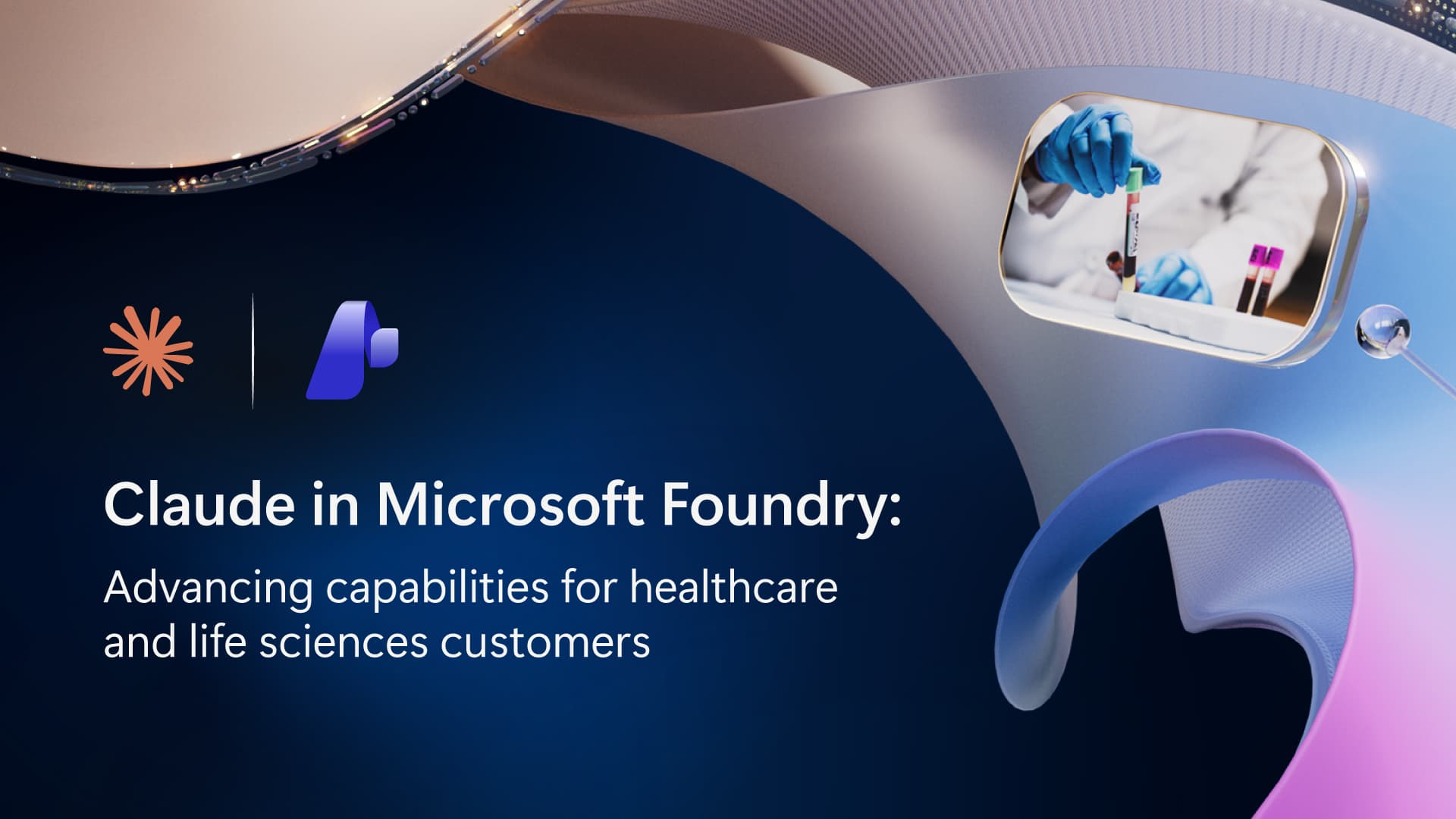
Currently, the prevalent belief is that AI will revolutionize healthcare almost overnight. This optimism stems from reports like the one from Microsoft, which highlights how Claude, integrated into Microsoft Foundry, is advancing capabilities for healthcare and life sciences. According to the Azure Blog, Claude offers advanced reasoning and agentic workflows tailored specifically for these industries. Such developments fuel the narrative that AI is on the brink of transforming healthcare operations, diagnosis, and patient interaction.
However, this belief is somewhat misleading. While it's true that AI has immense potential, the notion that its impact will be immediate and comprehensive is overly simplistic. The technology is still in its nascent stages, especially when it comes to integrating with the complex systems of healthcare. The blog from Microsoft paints an optimistic picture, yet it lacks detailed discussion on the challenges of implementing these technologies in real-world settings.
The real-world application of AI in healthcare faces numerous hurdles, as evidenced by discussions on platforms like Reddit where users express skepticism and share experiences of AI's limitations in practical scenarios. These challenges include data integration, the need for extensive training for medical personnel, and concerns about data privacy and ethical use. While AI can process vast amounts of information faster than humans, it is not infallible and often requires human oversight to ensure accuracy and relevance.
Moreover, the introduction of new AI models, such as Moonshot's vibe-coding AI reported by ZDNet, which allows coding from a single video upload, highlights the experimental nature of AI technology. While innovative, the practical utility of such developments remains uncertain, especially in critical industries like healthcare. The technology's novelty does not necessarily translate to immediate, widespread applicability.
In taking a clear editorial stance, it is important to recognize that while AI is a powerful tool for healthcare transformation, its integration is not a straightforward process. The healthcare industry is complex, with systems that are not easily disrupted by new technologies. AI's potential should be viewed as a long-term evolution rather than an overnight revolution. Stakeholders should focus on incremental integration, addressing real-world challenges such as data compatibility and ethical considerations, to fully realize AI's promise in healthcare.
Ultimately, the future of AI in healthcare is bright but requires a measured approach. Embracing the technology's potential while acknowledging its current limitations will allow for responsible and effective integration, ensuring that AI enhances healthcare delivery in a sustainable manner.