The digital advertising landscape is undergoing a seismic shift, with behavioral targeting taking center stage. This move challenges the traditional reliance on keyword targeting, offering a fresh perspective on how ads reach their audience. The introduction of ChatGPT ads by OpenAI signals a new era where understanding user behavior becomes crucial. But is this shift as beneficial as it seems?
Why Behavioral Targeting Has Taken Over
Traditionally, digital ads have relied heavily on keyword targeting to reach potential customers. This method focuses on the specific words and phrases users search for. However, as reported by MarTech, ChatGPT ads are now prioritizing behavioral understanding. This means advertisers are more interested in how users behave online rather than just what they search for.
Behavioral targeting allows advertisers to tailor their messages based on users' browsing history, interactions, and preferences. This shift is seen as a more sophisticated and personalized approach to advertising. It aims to provide a more relevant user experience by predicting what users might be interested in based on their past behavior.
The Flaws in Relying Solely on Behavior
While the move towards behavioral targeting is innovative, it is not without its drawbacks. One primary concern is privacy. Users may feel uneasy knowing their online behavior is being closely monitored to serve targeted ads. This raises ethical questions about data usage and user consent.
Moreover, behavioral targeting can sometimes miss the mark. By focusing too heavily on past behavior, advertisers risk ignoring the evolving needs and interests of users. This could lead to a disconnect between what users actually want and what advertisers think they want, based on outdated data.
Anthropic's Bold Stand Against Ads
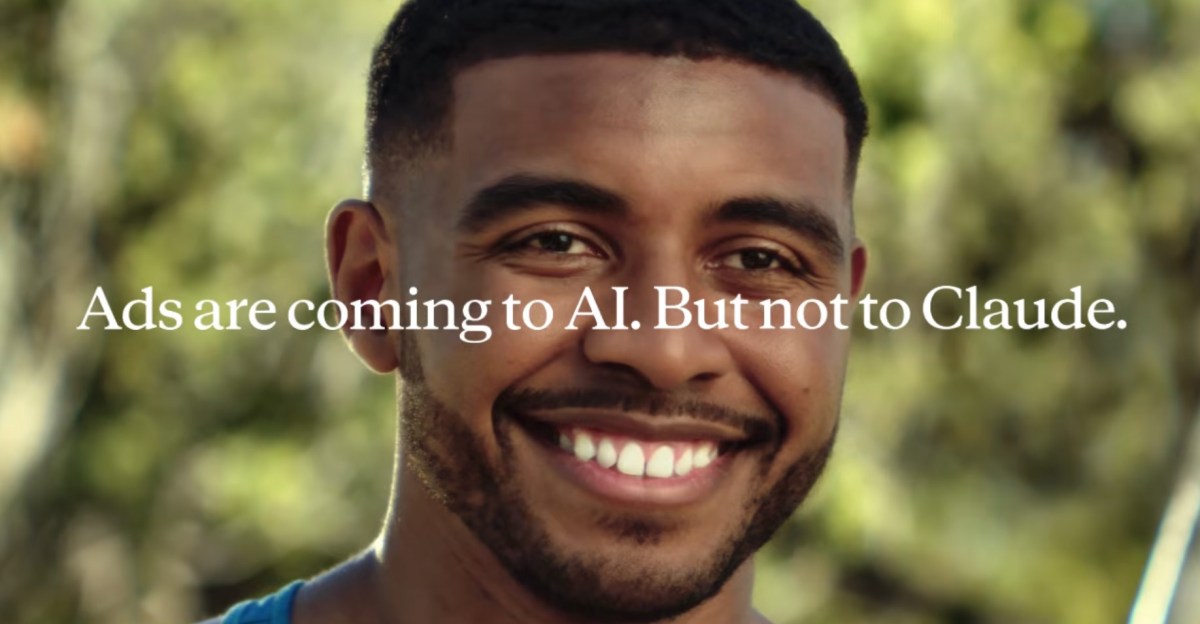
In contrast to OpenAI's ad strategy, Anthropic has decided to keep its AI, Claude, ad-free. As reported by The Verge, Anthropic's decision is a deliberate one, aimed at maintaining an untainted user experience. Their approach emphasizes serving users' interests without the influence of advertisers.
"We want Claude to act unambiguously in our users' interests," the company states, highlighting a commitment to user-centric design.
This stance not only sets Anthropic apart but also raises questions about the impact of ads on AI interactions. With AI becoming more integrated into daily life, the presence of ads could potentially alter the way users interact with these technologies.
Conclusion: Navigating the Future of AI Ads
The debate between behavioral targeting and ad-free AI experiences underscores a larger conversation about the future of digital marketing. Behavioral targeting offers a personalized approach but comes with privacy concerns. Meanwhile, ad-free platforms like Claude promise an uncompromised user experience but may miss out on potential revenue streams.
As AI continues to evolve, finding a balance that respects user privacy while meeting business objectives will be crucial. The path forward will require thoughtful consideration of both ethical standards and innovative marketing strategies.