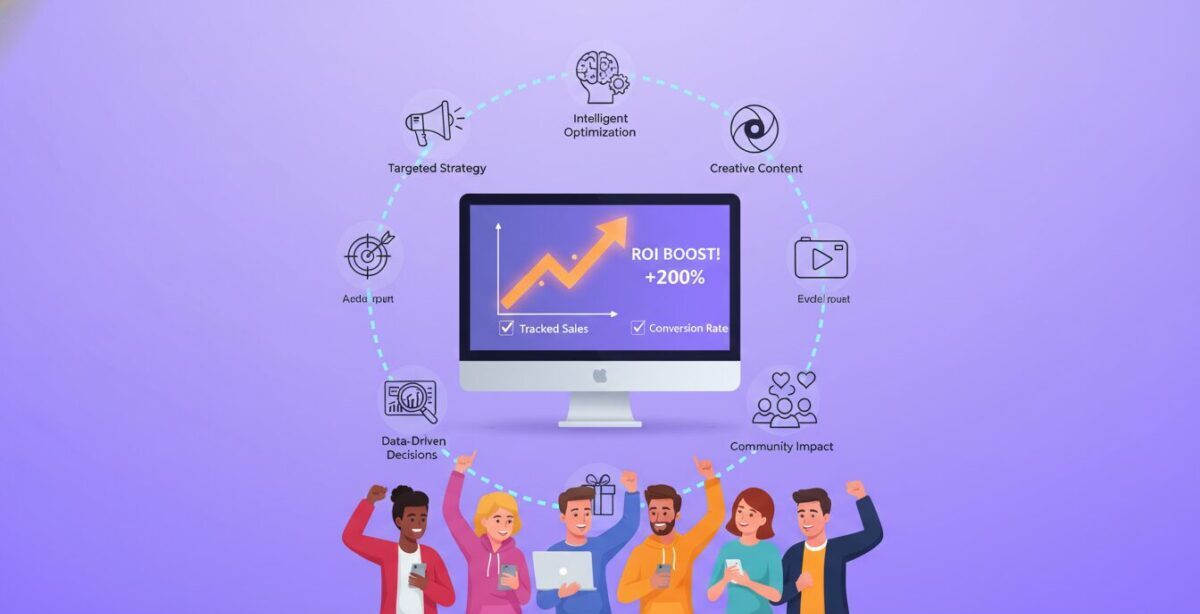
In the fast-evolving landscape of digital marketing, a critical gap exists between generating awareness and achieving conversion. This space, often overlooked, holds immense potential for brands to maximize their marketing budgets. The evidence suggests that a more nuanced approach, incorporating both traditional branding and performance metrics, is necessary to bridge this gap effectively.
Brands Stuck in the Awareness Trap
Many marketing teams focus heavily on either building brand awareness or driving conversions, rarely considering the space in between. According to a recent report by Marketing Tech News, this middle ground is precisely where brands can unlock significant value. By aligning efforts across branding and performance metrics, marketing teams can create a cohesive strategy that leverages the strengths of both.
Why Ignoring the Middle Ground Hurts ROI
The failure to address the gap between awareness and conversion can severely limit a brand's return on investment. Brands often invest heavily in building awareness without a clear plan to transition that awareness into measurable results, such as sales or leads. The Influencer Marketing Hub highlights how strategic use of influencers can drive ROI, yet many brands still underutilize this tactic, focusing instead on traditional metrics.
Bridging the Gap with Integrated Strategies
To effectively bridge the gap, brands need to adopt a full-funnel strategy that integrates branding with performance marketing. By doing so, they can create a seamless journey for their audience, from initial awareness to final conversion. This involves not only leveraging influencer partnerships but also ensuring that all marketing efforts are aligned towards common goals.
Moreover, the use of real-time data analytics can help brands understand where potential customers drop off in the conversion process, allowing them to fine-tune their strategies accordingly.
What Changes Next for Marketers
The future of marketing in 2026 will likely see a greater emphasis on integrated strategies that bridge the gap between awareness and conversion. Brands will need to focus on creating more cohesive campaigns that consider the entire customer journey. This shift will require marketing teams to work more collaboratively, breaking down silos between branding and performance teams.
Additionally, as influencer marketing continues to demonstrate its impact on ROI, brands will need to invest more in this area, ensuring their influencer partnerships are integrated into the broader marketing strategy.
In conclusion, the path to maximizing marketing budgets in 2026 lies in addressing the overlooked middle ground between awareness and conversion. By adopting integrated strategies and leveraging influencer marketing, brands can drive greater ROI and create a more effective marketing funnel.