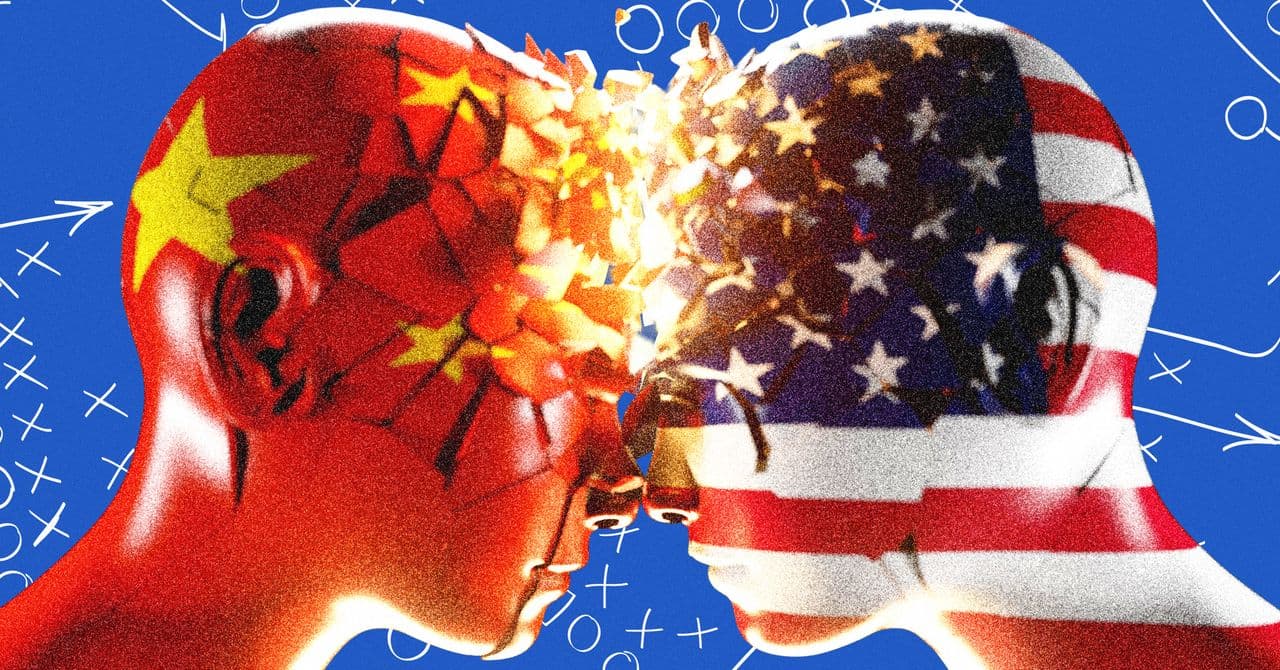
The landscape of artificial intelligence is witnessing a seismic shift as Chinese companies introduce open-source models that are rivaling the offerings of US tech giants like OpenAI and Anthropic. This development is not just a technical challenge but a geopolitical one, as it threatens the dominance of Silicon Valley and forces a reevaluation of the strategies that have long underpinned the US tech sector.
Why Silicon Valley Didn't See This Coming
Silicon Valley's surprise at China's AI advancements highlights a fundamental misunderstanding of the competitive landscape. For years, the focus has been on proprietary models that require significant investment in data centers and specialized chips. However, Chinese labs have taken a different approach, emphasizing open-source alternatives that are stable, accessible, and increasingly capable. According to Wired, as access to US frontier models becomes more restricted, the appeal of China's open-source models grows stronger.
The Real Reason China's AI Is Making Waves
China's AI models are not just technically competitive; they are also economically efficient. The Verge reports that companies like Moonshot and Alibaba have unveiled models that can compete with the best from OpenAI and Anthropic at a fraction of the cost. This affordability makes these models attractive to a global market, potentially disrupting the economic strategies of US tech companies that rely on heavy investment and proprietary systems.
Markets React To A New Geopolitical Reality
The introduction of Chinese AI models has sent shockwaves through global markets, causing tech stocks to tumble as investors reconsider the sustainability of US firms' high spending on AI infrastructure. As The Verge notes, these developments are forcing US companies to rethink their strategies, raising questions about national security, economic power, and geopolitical influence.
The competition is not just about technology but also about the global balance of power. As AI becomes central to national security and economic strategy, the rise of Chinese models represents a significant challenge to US dominance. This is not merely a technological race but a race with profound implications for global governance and economic systems.
What's Next For Global Tech Dynamics?
If the US tech industry wants to maintain its competitive edge, it must adapt to this new reality. This could mean embracing more collaborative approaches, investing in open-source projects, or even reevaluating the economic models that have driven tech innovation for decades. The current situation reflects a broader shift in how global tech power is distributed, one that requires not just technological innovation but also strategic foresight.
The future of AI is uncertain, but one thing is clear: the dynamics of global tech power are changing rapidly, and those who fail to adapt may find themselves left behind in a world where openness and accessibility are becoming as critical as raw technological prowess.