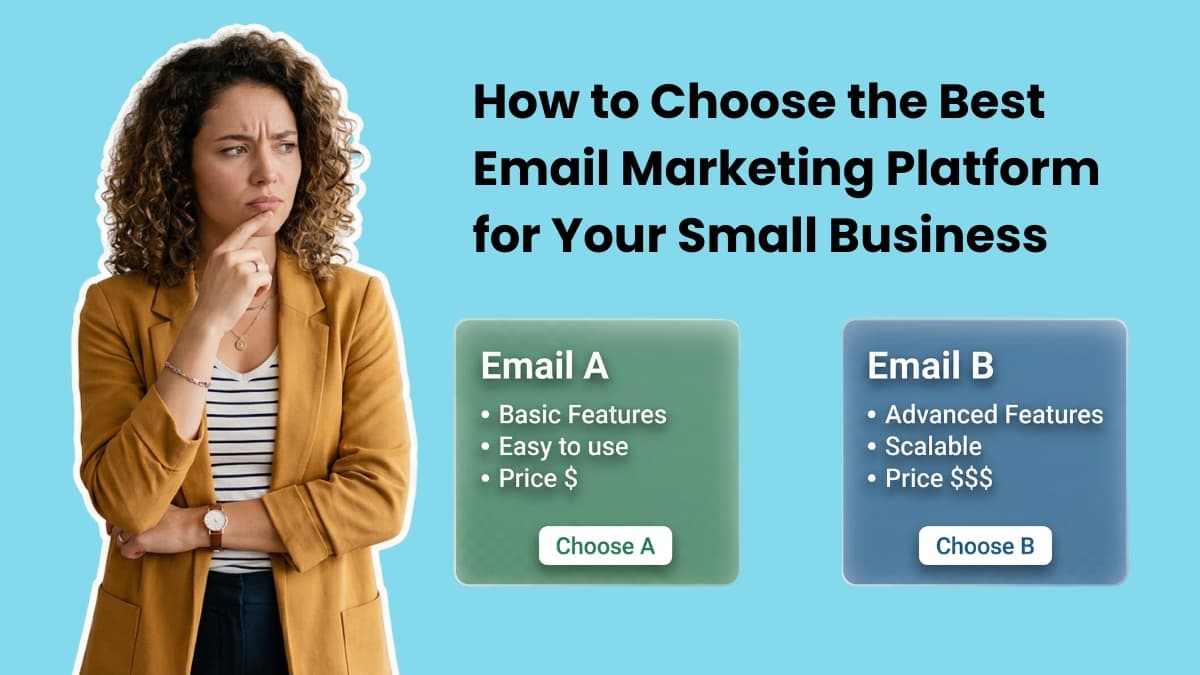
Email marketing remains a cornerstone of digital strategy for small businesses, yet the process of selecting the right platform is fraught with pitfalls. Recent discussions and articles highlight a recurring issue: many businesses fail to account for long-term scalability and integration needs when choosing a platform. This oversight can result in significant setbacks down the line.
Why Short-Term Focus Misleads Small Businesses
The allure of quick wins often drives small businesses to prioritize immediate features and costs when selecting an email marketing platform. As highlighted in a Reddit discussion, businesses frequently opt for platforms that offer user-friendly interfaces and basic functionality, neglecting to consider how these platforms will support growth or integrate with other systems as the business expands.
While ease of use is undeniably important, a sole focus on this aspect can be misleading. Platforms that seem cost-effective initially may lack advanced features necessary for sophisticated marketing campaigns. This short-term focus can trap businesses in a cycle of manual processes or necessitate costly migrations to more robust solutions later.
The Importance of Integration and Scalability
The AWeber Blog article underscores the importance of looking beyond surface-level features to assess a platform’s integration capabilities. Many platforms offer seamless connections with CRM systems, social media, and e-commerce platforms, which can be critical as a business grows. Without these integrations, businesses may find themselves unable to leverage customer data effectively, thereby missing out on opportunities for personalized marketing.
Additionally, scalability is a crucial factor often overlooked. As businesses grow, their email marketing needs become more complex. A platform that cannot scale with these needs can limit a business's ability to reach its audience effectively.
What Changes Next for Small Businesses?
Moving forward, small businesses must shift their focus from immediate needs to long-term strategic planning when selecting email marketing platforms. This means assessing not just current features but also future capabilities, particularly around data integration and automation.
Decision-makers should conduct thorough evaluations of potential platforms, considering how they align with business growth trajectories. Investing time upfront to choose a platform that supports long-term objectives can prevent costly transitions and maximize the return on investment.
In conclusion, the process of selecting an email marketing platform should be approached with a strategic mindset. By focusing on integration, scalability, and future needs, small businesses can ensure that their choice not only meets immediate requirements but also supports sustained growth.