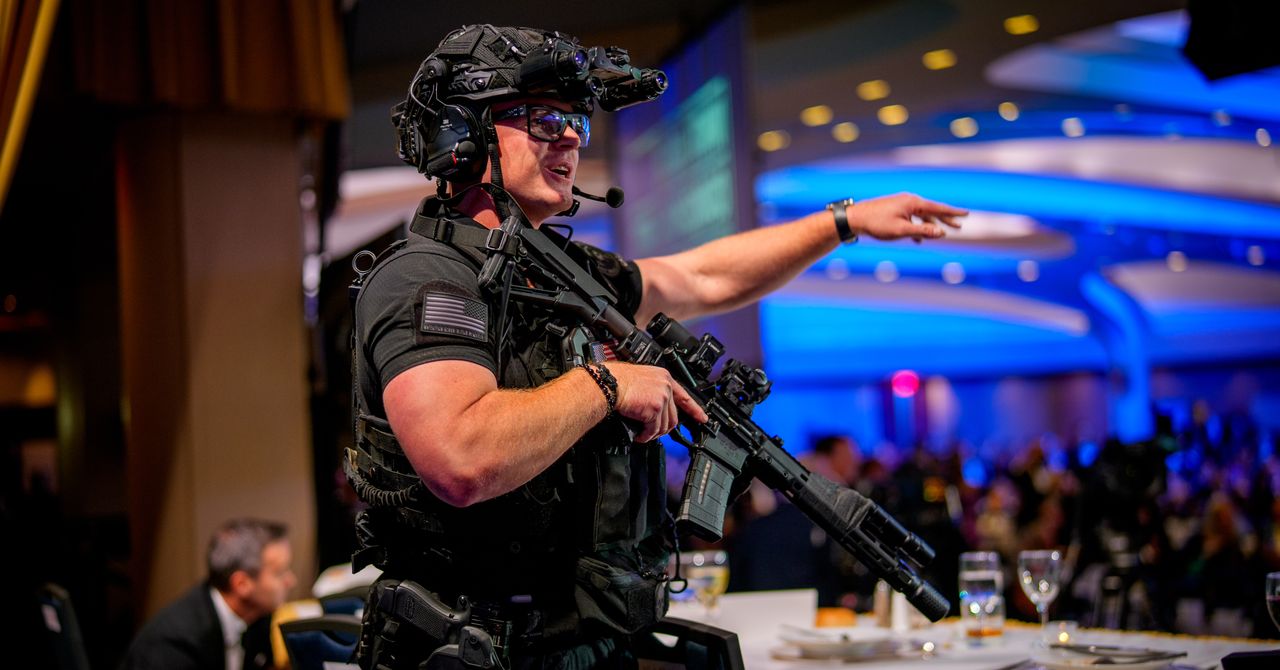
The recent shooting at the White House Correspondents' Dinner has become a breeding ground for conspiracy theories, with the term "staged" gaining alarming traction on social media platforms. This phenomenon highlights a growing distrust in official narratives and the power of misinformation to shape public perception. As the incident unfolded, both right and left-wing influencers, along with countless anonymous accounts, seized the opportunity to push speculative theories, further muddying the waters of truth.
Why Do Conspiracy Theories Gain Traction?
In the aftermath of events like the shooting at the White House Correspondents' Dinner, conspiracy theories often proliferate. These theories thrive in environments where information is abundant but verification is scarce. The incident, involving a 31-year-old California engineer, quickly became the subject of online speculation, with many questioning the veracity of the official reports. The allure of conspiracy theories lies in their ability to offer simple explanations to complex events, appealing to emotions and biases rather than facts.
Such theories gain traction because they exploit the psychological need for order and understanding in chaotic situations. In this case, the shooting's high-profile nature, involving figures like President Donald Trump, only adds fuel to the conspiracy fire. When official narratives seem implausible or incomplete, people turn to alternative explanations that fit their worldview, regardless of their basis in reality.
The Role of Social Media in Misinformation
Social media platforms have become fertile grounds for misinformation, where conspiracy theories can spread like wildfire. The speed and reach of these platforms enable theories to gain momentum before facts are fully established. Influencers and anonymous accounts play a significant role in this dynamic, as they can easily manipulate narratives to garner attention and followers.
The Wired article on the situation aptly describes how both sides of the political spectrum engage in this behavior, demonstrating that misinformation is not confined to any single group. This widespread distrust in official narratives is exacerbated by the echo chambers that social media often creates, where users are exposed primarily to information that reinforces their existing beliefs. As a result, it becomes increasingly challenging for the truth to emerge unscathed.
What Changes Next?
The prevalence of conspiracy theories in the wake of incidents like the White House Correspondents' Dinner shooting calls for a reevaluation of how information is disseminated and consumed. One potential change is the implementation of stricter content moderation policies on social media platforms to curb the spread of unverified information. However, such measures face criticism for potentially infringing on free speech rights.
Additionally, media literacy programs could be more widely implemented to educate the public on how to critically assess the information they encounter online. These programs would aim to equip individuals with the tools to distinguish between credible sources and misinformation, thereby reducing the influence of conspiracy theories. Ultimately, rebuilding trust in official narratives requires a multifaceted approach that addresses both the symptoms and the root causes of misinformation.
Rebuilding Trust in the Age of Speculation
Conspiracy theories, like those surrounding the White House Correspondents' Dinner shooting, underscore a broader issue of declining trust in institutions. To combat this, transparency and accountability in reporting are crucial. Media outlets and government agencies must strive to communicate more effectively and transparently with the public to bridge the gap between perception and reality.
This effort will require collaboration between tech companies, media organizations, and educational institutions to foster an environment where verified information prevails over speculation. As society grapples with the challenges posed by misinformation, a collective commitment to truth and integrity is essential for restoring faith in the narratives that shape our understanding of the world.