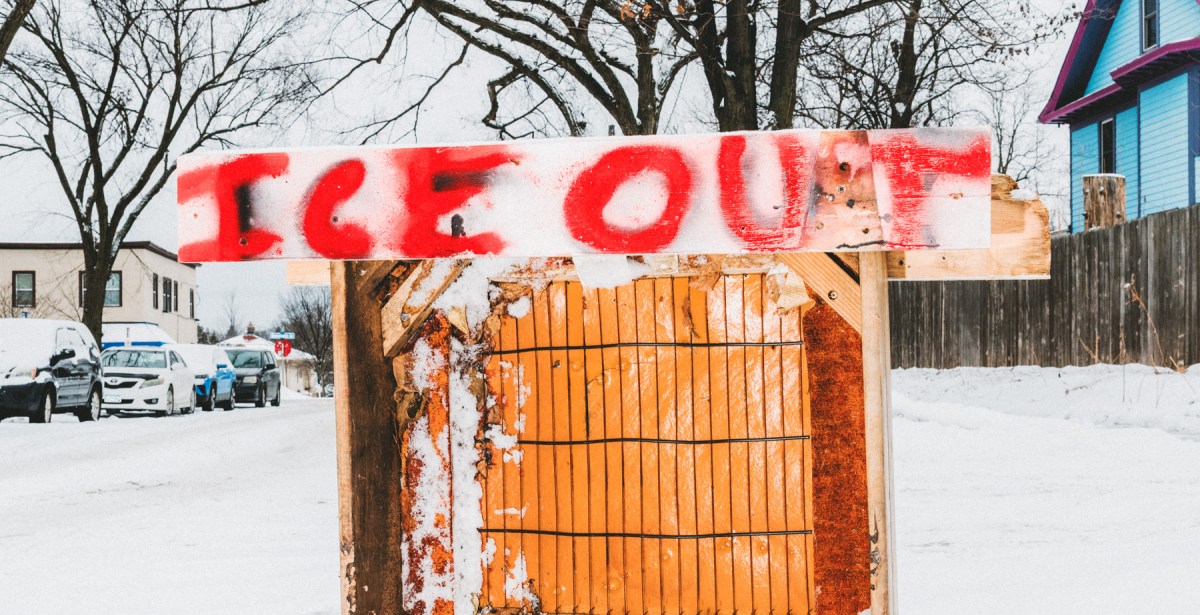
The recent court ruling against the Trump administration for violating the First Amendment by pressuring tech companies to remove ICE-tracking applications has sparked a significant conversation about free speech and privacy in the digital age. This decision comes after federal judge Jorge L. Alonso granted a preliminary injunction to Kassandra Rosado and the Kreisau Group, marking a pivotal moment in the intersection of technology and civil rights.
Government Pressure on Tech: A Dangerous Precedent?
The ruling highlights the tension between governmental authority and the rights of individuals to use technology for activism. In an era where digital platforms are central to community organizing and information dissemination, the government’s attempt to suppress ICE-tracking apps raises critical concerns about overreach. According to The Verge, the Trump administration's actions were deemed a violation of free speech, as they pressured Facebook and Apple to remove groups that shared publicly available data on immigration enforcement activities.
Legal and Ethical Boundaries in Digital Activism
The case of ICE Sightings - Chicagoland and the Eyes Up app is a testament to the power of digital tools in activism, but it also underscores the complex legal landscape these tools navigate. While the court's decision supports the plaintiffs' right to share information, it also raises questions about the ethical implications of using technology to track individuals, even if they are government agents. The decision draws on a 2024 Supreme Court ruling, which emphasized the need for the government to respect free speech rights, setting a legal benchmark for similar cases in the future.
Implications for Tech Companies and Free Speech
The ruling could have far-reaching implications for tech companies, which often find themselves between user rights and governmental demands. Platforms like Facebook and Apple must balance these competing interests while ensuring compliance with legal standards. This case may serve as a precedent, guiding how online platforms handle similar requests from government entities. As noted by Social Media Today, the court’s decision emphasizes the protection of digital spaces as forums for free expression.
What Changes Next: A New Era of Digital Rights?
Moving forward, this ruling could influence future legislation and court cases concerning digital rights and government surveillance. As technology continues to evolve, so too will the strategies of those who seek to use it for social change. This decision underscores the importance of vigilance in protecting free speech online and may encourage more robust legal frameworks to safeguard against governmental overreach. The outcome also suggests that tech companies may need to adopt clearer policies for handling governmental requests that could infringe on civil liberties.
In conclusion, this court ruling represents a critical moment for digital rights, emphasizing the delicate balance between national security concerns and the protection of free speech. As technology increasingly becomes a battleground for civil liberties, the outcomes of such cases will likely shape the future of digital activism and the role of tech companies in upholding constitutional rights.