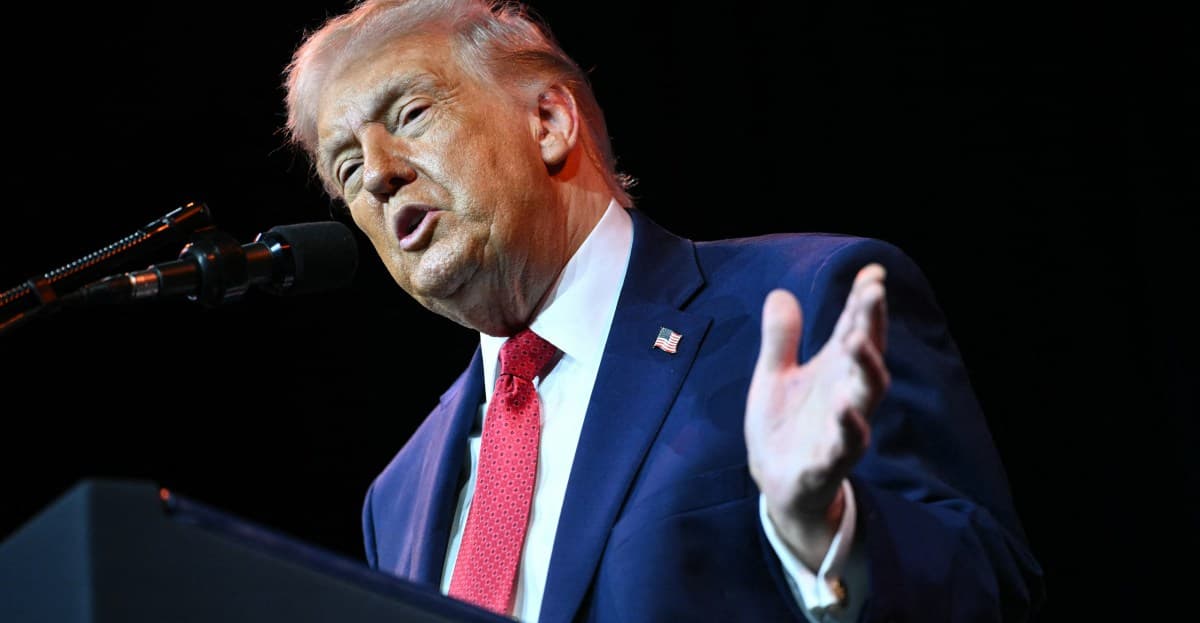
In the complex world of cybersecurity, attribution remains one of the most challenging aspects. Recent cyberattacks on Minnesota's water systems have sparked a debate over who is responsible. The FBI, EPA, and CISA suggest that Iran is likely behind these attacks, yet there is no official attribution. Meanwhile, former President Donald Trump has pointed fingers at Governor Tim Walz, dismissing the idea of Iranian involvement.
Trump's Claims Create a Political Smokescreen
Trump's assertion that Governor Tim Walz is to blame has muddied the waters. While his comments may serve political interests, they detract from the factual analysis needed to address the cybersecurity threats. This rhetoric not only misdirects public attention but could also undermine the credibility of federal investigations. Trump's stance comes at a time when the FBI has warned that these attacks are spreading to other states, highlighting the urgency of addressing the root cause.
Federal Agencies Hesitate to Name Iran Officially
Despite substantial indications of Iranian involvement, based on a leaked memo reported by Wired, federal agencies like the FBI and CISA have held back from making an official statement. This hesitancy could be due to the complexities of cyber attribution, where conclusive evidence is difficult to obtain. Cyberattacks often involve multiple layers of disguise, making it easy for perpetrators to mask their true origin. The lack of official blame is not uncommon in international cybersecurity incidents, where political implications can outweigh technical findings.
However, the leaked memo from WaterISAC, which connects the attacks to Tehran, adds pressure on these agencies to take a more definitive stance. The memo suggests a coordinated effort targeting at least 30 community water systems in Minnesota, a significant number that underscores the need for a unified response.
What Changes Next for Cybersecurity Policy?
The immediate challenge is to bolster defenses against such attacks, regardless of their origin. This situation highlights the necessity for robust cybersecurity protocols and the importance of collaboration between federal and state authorities. Furthermore, it raises questions about how political narratives can influence public perception and hinder effective cybersecurity strategies.
Moving forward, it is crucial for policymakers to focus on securing critical infrastructure without getting entangled in political blame games. By acknowledging the potential foreign threats and addressing domestic vulnerabilities, the U.S. can better prepare for future cyber challenges. This includes investing in cybersecurity training, improving threat detection systems, and fostering transparency in communication between agencies and the public.