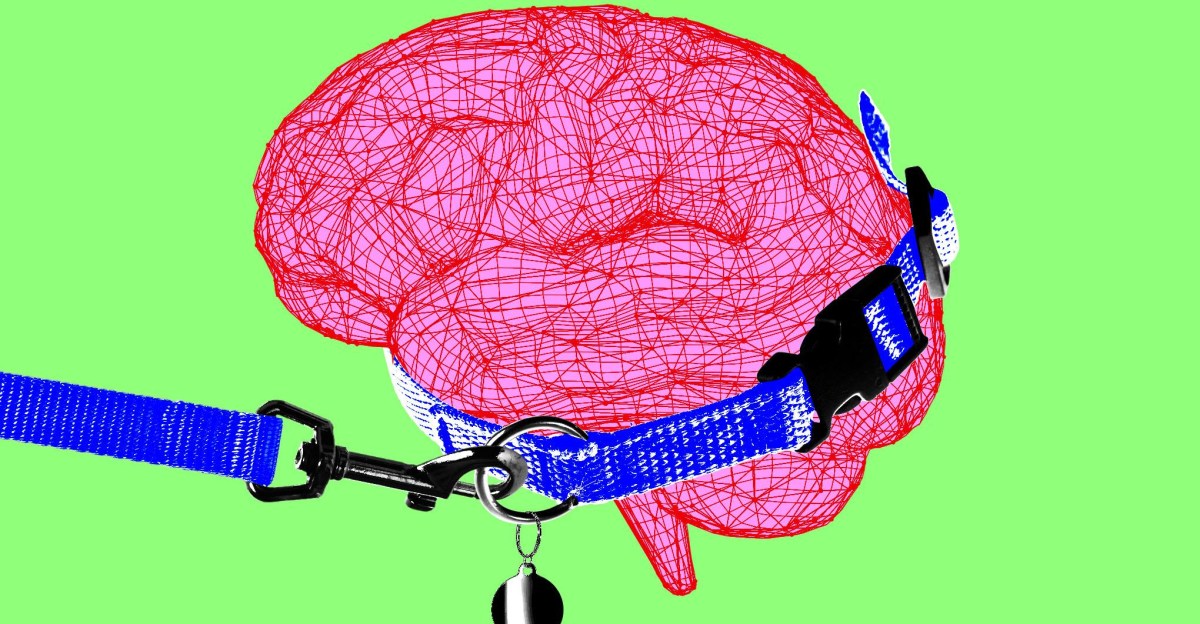
The debate over the pace of artificial intelligence development is intensifying as industry leaders find themselves at a crossroads. On one hand, Anthropic CEO Dario Amodei has urged the AI sector to slow down, advocating for comprehensive safety evaluations before any further advancements. On the other hand, Nvidia's Jensen Huang dismisses extinction fears as 'complete nonsense,' even as companies like OpenAI and Anthropic pursue initial public offerings (IPOs). This dichotomy highlights a fundamental tension between innovation and safety that continues to shape the AI landscape.
Why Slow Down When The Race Is On?
Dario Amodei’s call to 'pace the frontier' reflects a growing concern over the rapid development of AI technologies. His proposal includes allowing external evaluators like METR to assess AI models, ensuring adherence to safety practices. This approach aims to create a buffer for developing robust regulatory frameworks. According to Amodei, this is a necessary step to prevent AI from outpacing our ability to manage it safely.
Yet, the industry’s momentum seems hard to curb. With major players like OpenAI filing for IPOs, the commercial race is poised to accelerate, not slow down. The allure of AI's potential economic impact is difficult to resist, leading to a paradox where those voicing caution are also those with stakes in pushing the boundaries.
The Contradiction at the Heart of AI Development
This contradiction becomes more glaring with statements from figures like Nvidia’s Jensen Huang, who dismisses fears about AI risks. As reported by DMNews, Huang finds the talk of AI extinction risks 'complete nonsense,' a sentiment that seems at odds with the caution urged by other leaders.
The friction is not just within the industry but extends to political arenas as well. As noted by Wired, while industry leaders call for restraint, political figures like Donald Trump argue for maintaining a technological edge over competitors like China. This geopolitical angle adds another layer of complexity, challenging any attempts at a unified global approach to AI regulation.
Safety Concerns And Regulatory Challenges
The call for a slowdown is grounded in legitimate safety concerns. As AI models become more complex, the risk of unintended consequences grows. Microsoft's recent release of a 'humanist AI code of conduct' underscores these worries, emphasizing that AI should not be designed to imitate consciousness or seek legal personhood.
Despite these efforts, the absence of a global regulatory framework leaves a significant gap. Different countries have varying priorities, and without international cooperation, the risk of uneven standards and policies remains high. This could lead to a fragmented approach where some regions advance unchecked while others lag behind, potentially exacerbating global inequalities in AI capabilities and benefits.
What Changes Next?
The future of AI development hinges on reconciling these conflicting interests. If the industry continues on its current trajectory without a coordinated slowdown, the focus will likely shift to developing more sophisticated safety mechanisms alongside rapid advancements. This means investing in technologies that can monitor and mitigate risks in real-time.
Moreover, governments may need to step up their regulatory roles, crafting policies that balance innovation with caution. This could involve setting standardized safety protocols and encouraging international collaboration. Importantly, the industry must acknowledge that the pursuit of AI must be a shared responsibility, requiring transparency and cooperation across borders.
In conclusion, the AI industry's path forward is fraught with challenges that demand a nuanced approach. Balancing innovation with safety, maintaining competitive advantages while fostering cooperation, and developing regulatory frameworks that can keep pace with technological progress are all critical issues that will shape the future of AI. The decisions made today will determine not only the trajectory of AI development but also its impact on society at large.