El Niño's Unexpected Power Surge
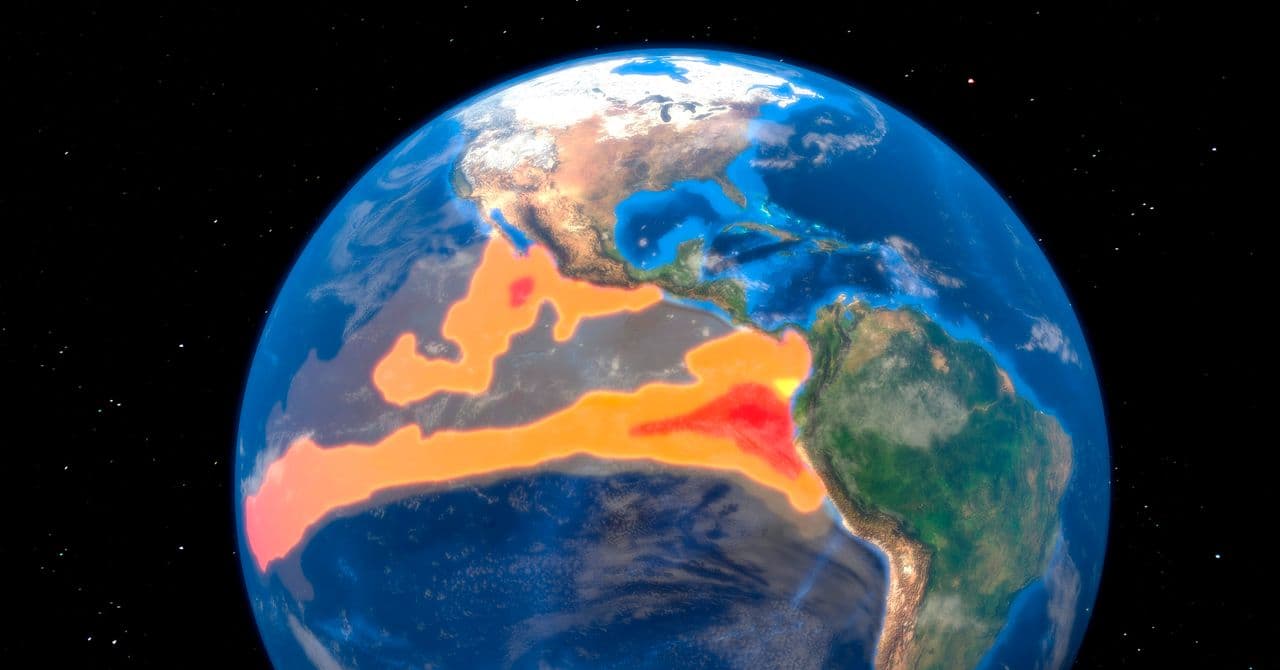
This year, El Niño is not just another weather phenomenon. It's shaping up to be the strongest on record, with broad implications for global weather patterns and economies. Traditionally, El Niño refers to the periodic warming of ocean surface temperatures in the central and eastern Pacific, disrupting typical weather events around the globe. However, this year's event is raising eyebrows and concerns alike, suggesting that its effects might be more potent than previously anticipated.
Why We Expected a Quiet Hurricane Season
Experts predicted a quieter hurricane season this year due to the combined influences of El Niño and Saharan dust. According to Wired, these factors have historically dampened the formation of hurricanes in the Atlantic. The presence of Saharan dust acts as a suppressant, while El Niño shifts atmospheric conditions, reducing the likelihood of storm formation. As a result, the Atlantic has seen fewer tropical storms this season, which might seem like good news at first glance.
The Hidden Risks Lurking Beneath Calm Waters
Despite the apparent tranquility, there's an underlying tension. The same Wired article warns that the potential for dangerous storms still exists. The lack of early-season storms does not eliminate the risk of late-season hurricanes, which can be equally, if not more, devastating. Moreover, the economic impact of El Niño extends beyond immediate weather concerns. Industries like agriculture, fishing, and insurance could face significant disruptions, amplifying economic vulnerabilities.
What Changes Next: Preparing for Unpredictability
The future implications of this year's El Niño are profound. If this trend of stronger events continues, it could necessitate a reevaluation of current models and preparedness strategies. Governments and businesses must adapt to this increased unpredictability in weather patterns. Investing in more resilient infrastructure, improving forecasting technologies, and developing robust emergency response plans will be crucial in mitigating the adverse effects of future El Niño events.