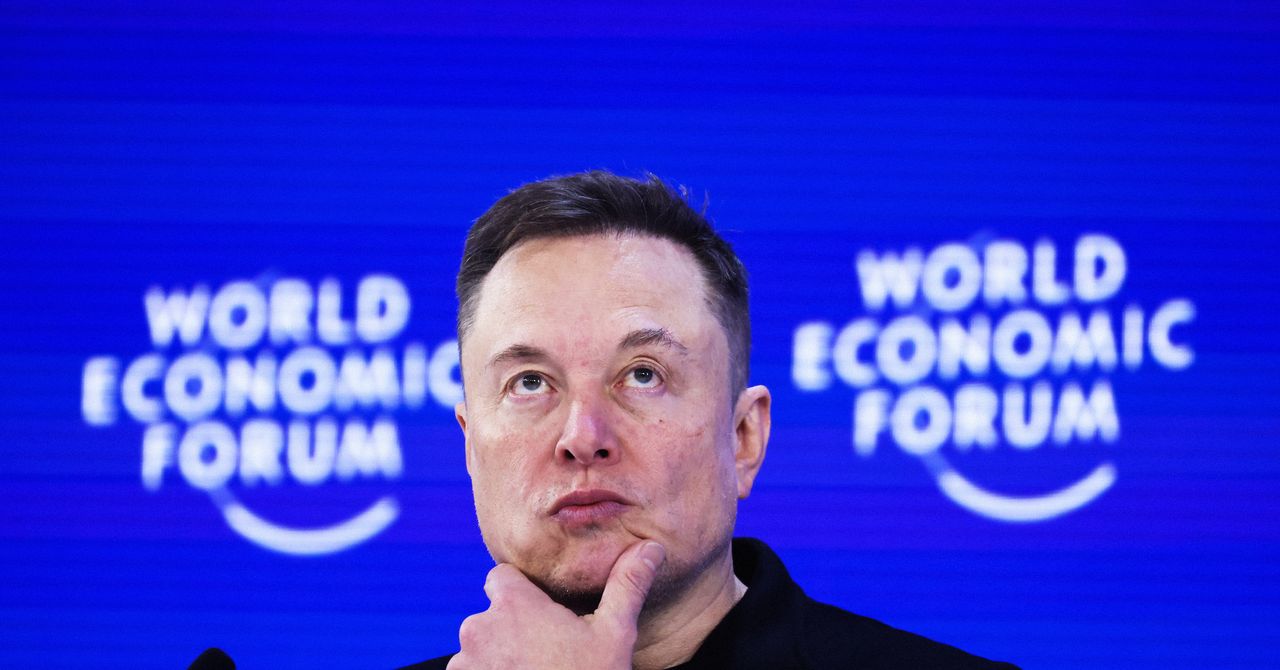
In a bold move that has sent ripples through the tech and aerospace industries, Elon Musk announced the merger of SpaceX with xAI, a company that also encompasses the social media platform X. This consolidation is not just a merger of companies but a fusion of technologies and visions that Musk claims will redefine the future of humanity. However, this ambitious integration raises significant questions about the concentration of power, the potential stifling of competition, and the ethical implications of such a monopolistic entity.
Current belief holds that the merger of SpaceX and xAI, as reported by Wired, will create a vertically-integrated powerhouse capable of unprecedented technological advancements. The belief is that combining AI with space exploration and a global communication platform will accelerate innovation and open up new frontiers in understanding the universe. Musk himself has described this venture as the next chapter in making a 'sentient sun' to spread consciousness to the stars, as outlined in The Verge.
While the promise of groundbreaking innovations is alluring, this perspective is incomplete and potentially misleading. The merger centralizes a vast array of technologies under Musk's control, from rockets and AI to social media and internet communications. Such concentration of power in a single entity can lead to a lack of accountability and oversight, as the same technologies that promise to advance humanity could easily be used to manipulate or control it.
Real-world tensions arise from the immense influence Musk will wield over multiple sectors. As highlighted in the Wired article, SpaceX's role in national security and global communications means that Musk's decisions will have far-reaching implications. The Verge article further elaborates that this integration could redefine information dissemination, potentially prioritizing Musk's interests over transparent and democratic communication.
Our editorial stance is clear: while innovation is crucial, it must be balanced with ethical governance and competition. The merger's potential to stifle competition cannot be overlooked. By controlling a broad spectrum of technologies and platforms, Musk could suppress emerging competitors, reducing diversity in technological development and hindering innovation from other quarters. This scenario not only risks creating a monopoly but also poses ethical dilemmas regarding data privacy, misinformation, and the role of AI in society.
Moreover, this consolidation highlights the need for robust regulatory frameworks to ensure that such powerful entities operate within ethical boundaries. The potential for misuse of power is significant, and without checks and balances, the line between innovation and exploitation becomes dangerously thin.
In conclusion, while the merger of SpaceX and xAI with X promises a new era of technological advancement, it is imperative to approach this development with a critical eye. The balance between fostering innovation and maintaining ethical oversight is delicate and essential. As Musk's influence grows, so too must the scrutiny and regulation to ensure that this power is wielded responsibly and in the best interest of humanity.