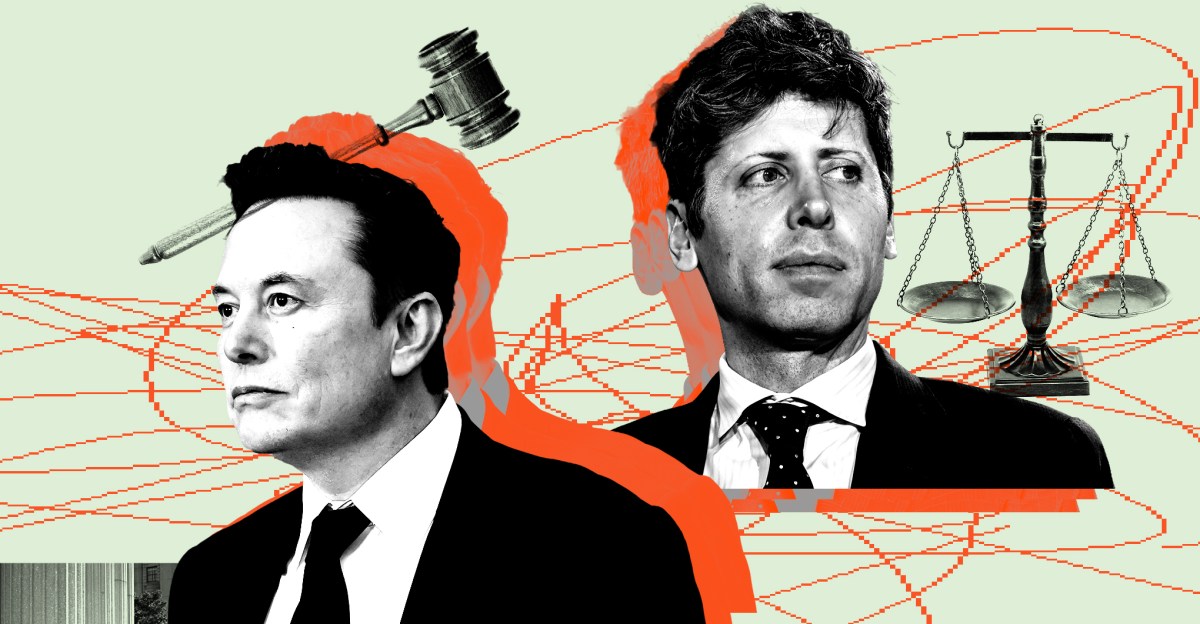
The courtroom clash between Elon Musk and Sam Altman has captured the tech world's attention not merely because of its celebrity participants, but due to the fundamental questions it raises about the ethics and direction of artificial intelligence development. Musk's lawsuit against OpenAI accuses the company of abandoning its altruistic founding mission for profit, a claim that speaks to broader concerns about the ethical responsibilities of tech giants.
Why Profit Over Purpose Is a Flashpoint
Elon Musk, a cofounder of OpenAI, claims that the organization has veered away from its original goal of developing AI to benefit humanity. According to The Verge, Musk argues that OpenAI, under the leadership of Sam Altman and Greg Brockman, has prioritized financial gains over its public benefit mission. This accusation highlights a critical tension in tech: the balance between innovation and ethical responsibility.
OpenAI's transformation from a nonprofit to a for-profit entity, albeit a capped-profit model, has been at the center of Musk's criticism. Many in the industry question whether such a structure can truly prioritize public good over shareholder interests. The lawsuit suggests that Musk sees OpenAI's current trajectory as a betrayal of its foundational principles.
The Stakes for AI Ethics and Corporate Integrity
This legal battle is not just about Musk's grievances. It is a reflection of the broader ethical dilemmas facing the tech industry. As AI technologies become more integrated into society, the potential for misuse grows. Companies like OpenAI, initially founded on ethical commitments, face immense pressure to commercialize their innovations. This trial underscores the need for a robust debate on how tech companies can—and should—balance profit and purpose.
Critics of Musk's lawsuit argue that his motives are not entirely altruistic, with some suggesting that the legal action is a strategic move to undermine a competitor. However, the core issue remains: how can companies ensure their technological advancements do not come at the cost of their ethical commitments?
The Real-World Implications of the Trial
The outcome of this trial could set a precedent for how AI companies operate in the future. If Musk's claims lead to significant changes at OpenAI, it could embolden other tech founders and investors to demand greater accountability from their organizations. Alternatively, a dismissal of the lawsuit might reinforce the status quo, where profit-driven models continue to dominate the tech landscape.
Moreover, the trial's focus on alleged "related party conflicted transactions" and the metaphor of OpenAI as a "museum store that has looted the Picassos" suggests that transparency in financial dealings and corporate governance will be key talking points. These issues are not unique to OpenAI and could influence regulations and public expectations across the tech industry.
What Changes Next?
Regardless of the trial's outcome, the scrutiny it brings to OpenAI and similar companies may lead to increased calls for regulatory oversight. Policymakers might push for clearer guidelines on how AI companies can maintain ethical standards while pursuing business objectives. Additionally, the tech community might see a shift towards more transparent and accountable business practices, especially in organizations claiming to prioritize social good.
This trial serves as a stark reminder that the tech industry's rapid advancements come with significant ethical and moral considerations. As AI continues to shape our world, ensuring that these technologies align with societal values will be paramount.