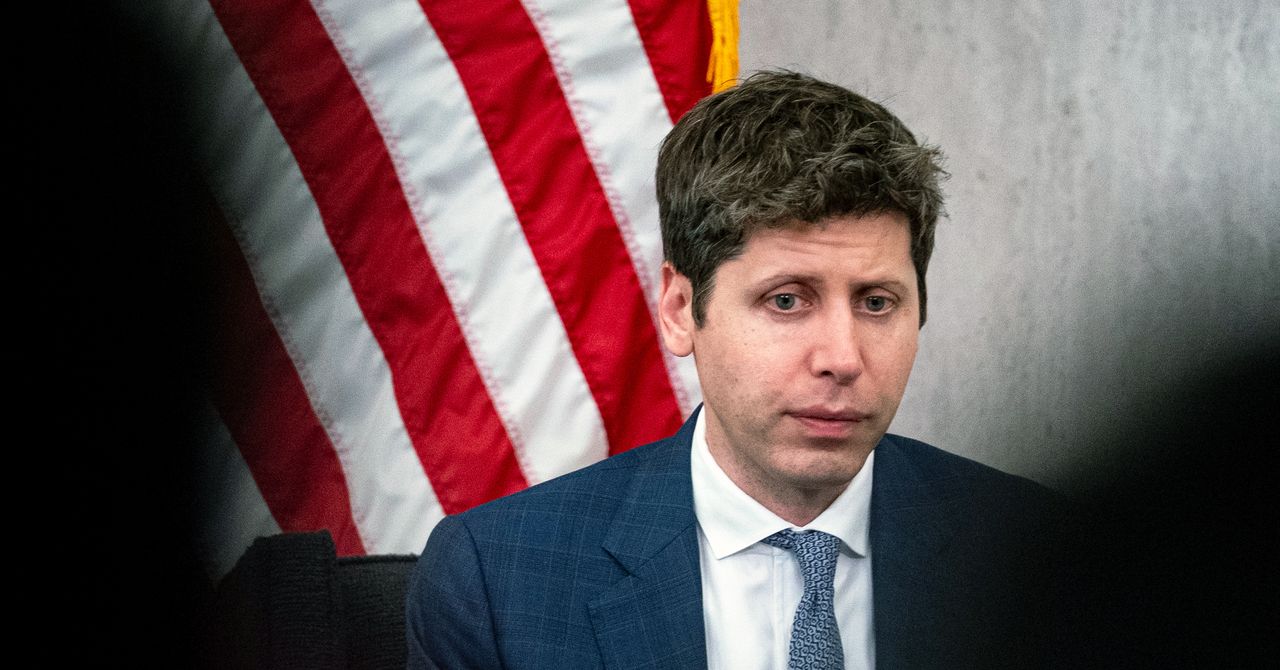
In a dramatic escalation of tensions surrounding artificial intelligence, a 20-year-old man was arrested for allegedly throwing a Molotov cocktail at the home of Sam Altman, CEO of OpenAI, before making threats at the company’s headquarters. The incident, reported by Wired and The Verge, underscores the increasing hostility faced by leaders in the AI industry. This violent act not only exposes security vulnerabilities but also reflects the broader societal unease with the rapid pace of AI development and its implications.
The attack on Altman’s San Francisco residence was caught on surveillance cameras early in the morning. According to The Verge, the suspect was later apprehended outside OpenAI's offices. While no injuries were reported, the incident has raised significant concerns about the safety of those at the forefront of AI innovation. The quick response by the police and local community was commendable, yet it also highlights the precarious position of tech leaders in today's volatile environment.
Why Is AI Leadership Under Siege?
The attack on Altman can be seen as a manifestation of the public's growing distrust and anxiety over AI technologies. As artificial intelligence continues to permeate everyday life, there is a palpable fear about its potential to disrupt jobs, privacy, and even societal norms. Leaders like Altman have become symbols of these changes, often bearing the brunt of public skepticism and frustration.
While AI promises numerous benefits, it also raises ethical and practical concerns. The technology's rapid advancement has outpaced public understanding and regulatory frameworks, leaving many feeling powerless and vulnerable. This gap, coupled with a lack of transparency from tech companies, can foster resentment and fear, sometimes culminating in acts of aggression.
The Misunderstood Role of AI Innovators
Many innovations in AI are driven by the desire to improve efficiency and create new opportunities. However, the societal impact of these technologies is complex and multifaceted. Innovators like Altman are often caught in the crossfire between technological progress and public apprehension. While they strive to push boundaries and explore new possibilities, they are frequently viewed as harbingers of an uncertain future.
This disconnect points to a critical need for better communication and engagement between AI developers and the public. Educating communities about AI's potential benefits and risks is essential to build trust and mitigate fears. Furthermore, involving diverse voices in the conversation can help align AI advancements with societal values and expectations.
What Changes Next for AI and Public Perception?
The attack on Altman serves as a stark reminder of the urgent need to address public concerns about AI. Going forward, tech companies and policymakers must collaborate to establish clear regulations and ethical guidelines that govern AI development and deployment. Transparency and accountability should be prioritized to reassure the public and prevent future incidents.
Moreover, there is a pressing need for tech leaders to actively participate in open dialogues with communities. By fostering inclusive discussions and addressing ethical dilemmas head-on, the industry can work towards a more informed and balanced public perception. Ultimately, the goal should be to harness AI's potential for good while responsibly managing its challenges.