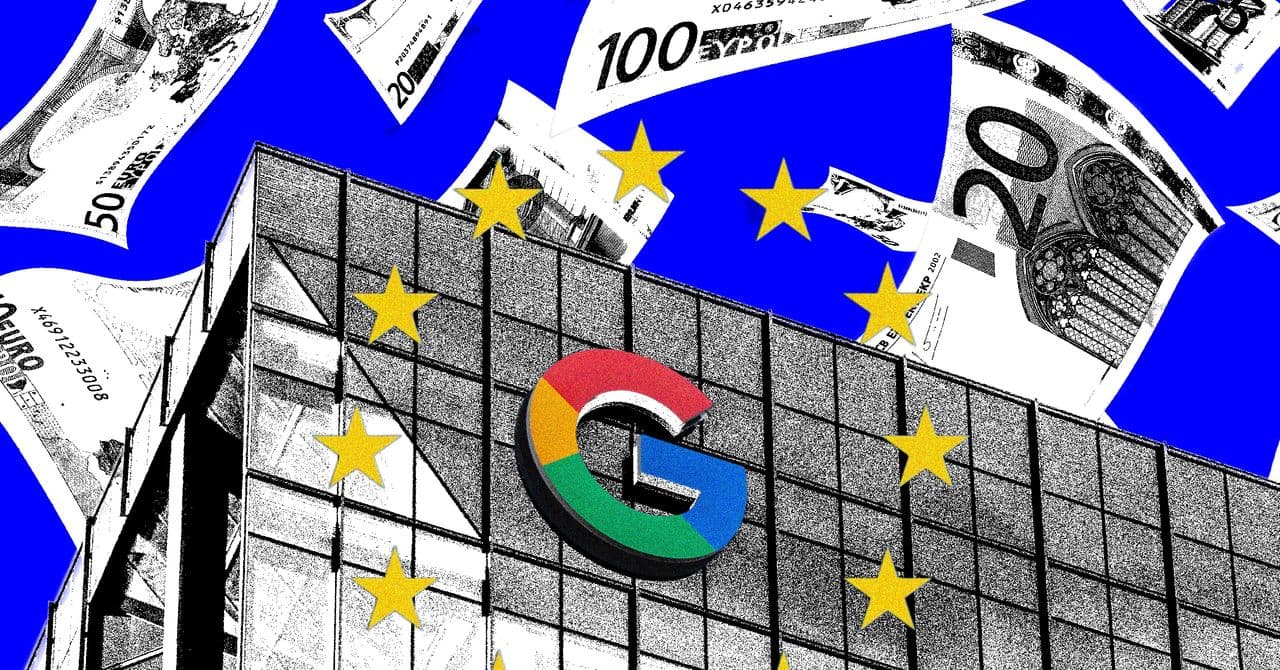
The recent decision by the European Union to levy an €890 million fine against Google's parent company, Alphabet, underscores a growing tension between technological innovation and regulatory oversight. With the EU accusing Google of anti-competitive behavior, primarily through prioritizing its own services in search results and restricting alternative payment options on Android, this case sheds light on the broader challenges facing tech giants today.
Why Google Keeps Drawing Regulatory Ire
Google's dominance in the search engine market is no secret. Its algorithms have the power to influence what billions see and interact with daily. However, the European Commission and other regulatory bodies have long scrutinized Google for the way it manages this power. The allegations that Google boosts its own services like Shopping, Hotels, and Flights at the expense of competitors is not a new narrative, but the recent €460 million fine highlights the persistent nature of these concerns. As more services are integrated within Google's ecosystem, the risk of perceived unfairness grows.
The European Union's Hard Stance on Fair Play
The European Union's Digital Markets Act (DMA) aims to create a level playing field for all market participants. By fining Google for favoring its own services and restricting developers on the Play Store, the EU reinforces its commitment to fair competition. The additional €430 million penalty for Google's Play Store policies demonstrates the seriousness with which the EU views market manipulation. These actions suggest a broader regulatory trend, where tech giants are increasingly held accountable for practices that could stifle competition.
What Changes Next for Tech Giants?
As regulatory scrutiny intensifies, tech companies may need to reassess their strategies to avoid similar penalties. For Google, this could mean altering its search algorithms to ensure a more equitable display of services or relaxing restrictions on developers within its ecosystem. The implications extend beyond Google; other tech firms may also need to be more transparent about their business practices and ensure compliance with regional regulations. The EU's actions are a clear signal that innovation must not come at the expense of fairness and competition.
The €890 million fine serves as a cautionary tale for tech companies operating within the European Union. Balancing innovation with regulatory compliance will likely become a key challenge as governments worldwide seek to curb the power of tech giants. As this case unfolds, it will be crucial to watch how Google and its competitors adapt to these evolving regulatory landscapes.