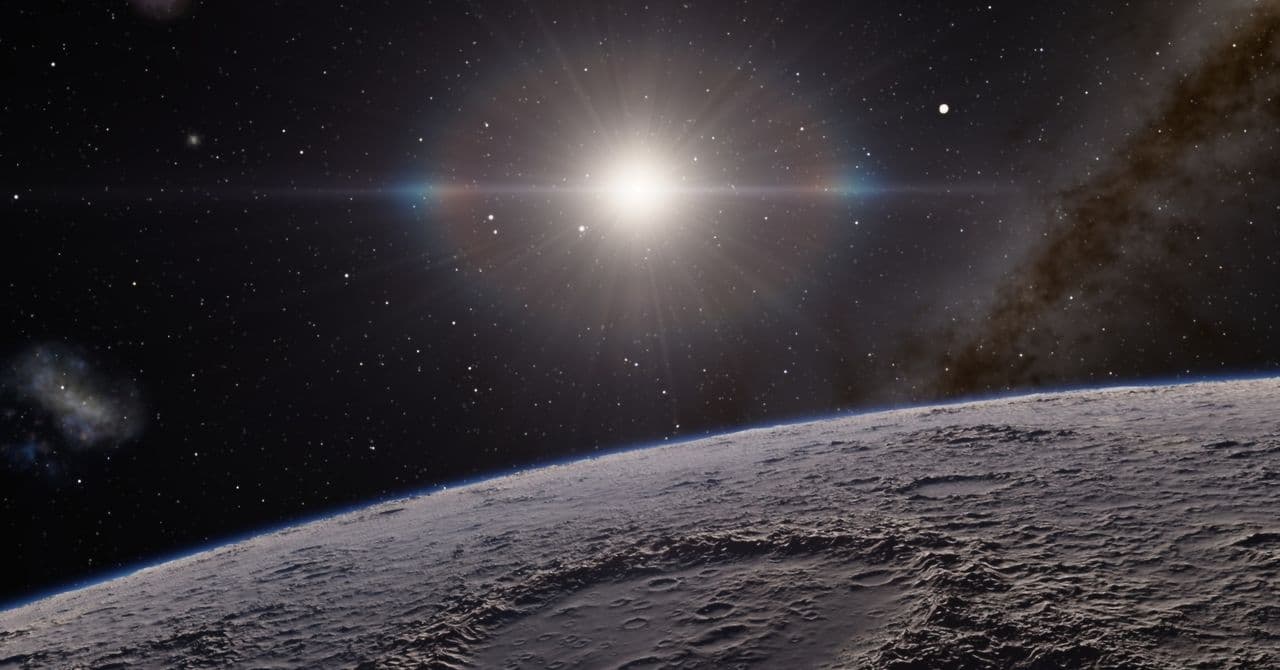
SpaceX's Falcon 9 rocket crashing into the moon was not just an unexpected event; it signals a growing concern over space debris impacting future lunar missions. The crash, confirmed by detected signals, though not directly imaged, serves as a wake-up call for the burgeoning space industry. As commercial and governmental entities race to claim their stake in space, the sheer volume of activity increases the likelihood of such incidents, raising questions about the safety of future lunar operations.
Why Are We Seeing More Space Debris?
The increase in space debris is a byproduct of intensified space exploration and competition. As reported by Wired, the space race is heating up, contributing to the growing amount of debris orbiting the Earth and now, evidently, impacting the moon. The Falcon 9 rocket's crash is not an isolated incident but rather part of a broader trend where the increased frequency of launches leads to more abandoned rockets and disused satellites.
This growing debris field poses significant risks. For one, it threatens current and future missions to the moon, particularly as plans for establishing lunar bases become more concrete. As space exploration becomes more accessible, the potential for accidents increases, emphasizing the need for robust regulatory frameworks and international cooperation to manage space traffic effectively.
The Real Threat to Lunar Bases
Future lunar bases face an uncertain future if the current trajectory continues unchecked. With more debris in orbit, the risk of impact on these bases increases, potentially jeopardizing scientific missions and human safety. Wired's analysis suggests that without immediate action to address space debris, the viability of long-term lunar habitation could be compromised. The implications are significant: structures intended to support human life on the moon must now be reinforced against potential debris impacts, adding complexity and cost to these ambitious projects.
Moreover, the crash underscores the need for improved tracking and management of space debris. The fact that no direct images of the Falcon 9 impact were captured highlights gaps in current monitoring capabilities. Enhancing these capabilities is crucial for predicting and mitigating risks associated with space debris.
What Changes Next?
The Falcon 9 incident is likely to catalyze changes in how the space industry operates. First, there may be a push towards developing more efficient debris removal technologies and stricter guidelines for end-of-life disposal of space vehicles. Additionally, international regulations may evolve to ensure that all space-faring entities adhere to protocols that minimize debris generation.
Furthermore, the incident could spur innovation in lunar base construction, with an emphasis on protective measures against debris impacts. This could include the development of materials and designs better suited to withstand such events. As competition in space intensifies, the industry must prioritize sustainability and safety to ensure that it does not hinder its own progress.
In conclusion, the Falcon 9 crash is more than just an isolated event; it is a reflection of the challenges that come with increased space activity. It highlights the urgent need for the space industry to address the risks associated with space debris proactively. By doing so, it can safeguard not only the success of future missions but also the safety of human endeavors beyond Earth.