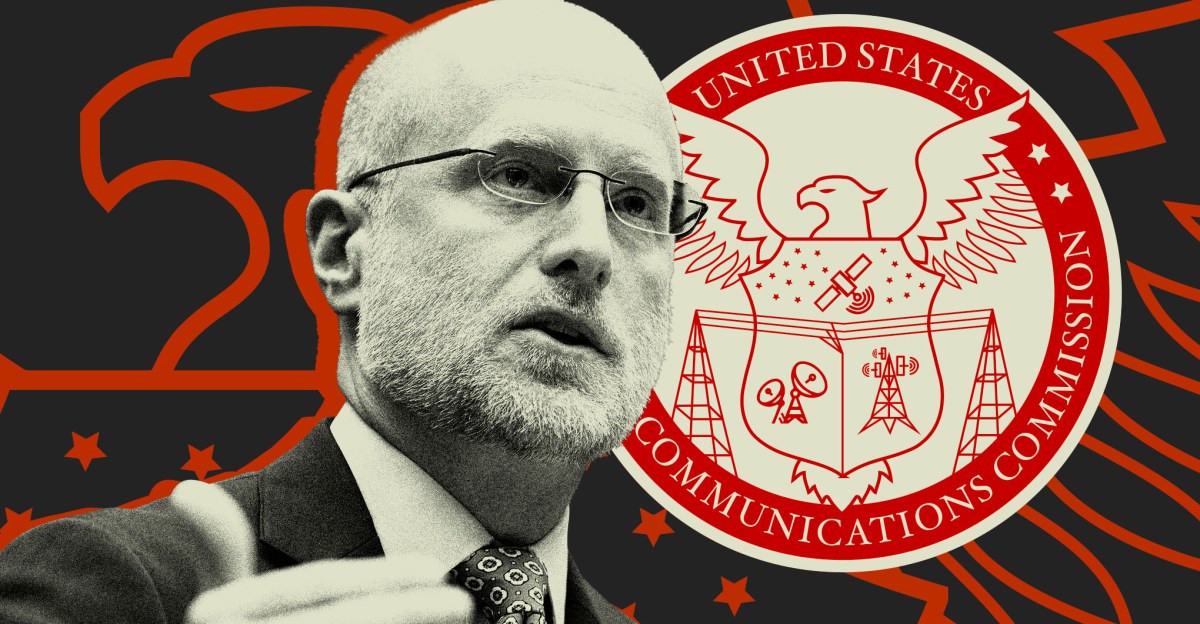
The Federal Communications Commission (FCC) has recently taken a significant step against Disney by ordering an early license renewal for its ABC stations. This move, as reported by The Verge, comes amid an investigation into Disney's diversity, equity, and inclusivity policies. The timing is intriguing, as it follows closely on the heels of President Donald Trump's demand for ABC to fire late-night host Jimmy Kimmel after a controversial skit.
Is This Really About DEI Policies?
The FCC's focus on Disney's DEI policies as a reason for early license renewal raises eyebrows. While diversity and inclusivity are crucial issues, the abrupt timing suggests a potential political motivation behind the FCC's actions. President Trump's public criticism of ABC and Kimmel adds fuel to this theory, implying that the regulatory move might be less about DEI and more about political pressure. This intertwining of politics and regulatory actions could set a concerning precedent if it proves to be true.
The News Distortion Policy: A Tool or a Weapon?
In parallel, the FCC's news distortion policy is under fire. According to another report by The Verge, former FCC staffers argue that the policy has been misused by the current Republican Chair, Brendan Carr, to exert pressure on media outlets like ABC. The call for a repeal of this policy by a bipartisan group suggests that it has become more of a weapon than a tool for ensuring media integrity. This tension within the FCC highlights a larger issue of regulatory overreach and political interference.
Former Officials Challenge Brendan Carr's Authority
The internal conflicts within the FCC are further illuminated by the actions of former commissioners and staffers who have petitioned for a court-mandated vote on the policy's repeal. Their argument underscores a growing concern that Brendan Carr's leadership is steering the FCC towards a path that undermines its impartiality. The outcome of this legal challenge could have far-reaching implications for the FCC's future and its role in media regulation.
Looking forward, the implications of these developments could be profound. If political motivations are indeed influencing regulatory decisions, this could erode public trust in the FCC's ability to act as an unbiased arbiter. Moreover, the potential repeal of the news distortion policy might shift how media outlets are regulated, potentially leading to either greater freedom or unchecked biases, depending on how new policies are shaped.
In conclusion, while the FCC's actions against Disney-owned ABC are officially linked to DEI policy concerns, the surrounding context suggests a more complex web of political and regulatory dynamics. As former officials challenge the current chair's authority, the very foundation of media regulation in the United States may be poised for significant change. Stakeholders across the industry should watch these developments closely, as the outcome could redefine the landscape of American media.