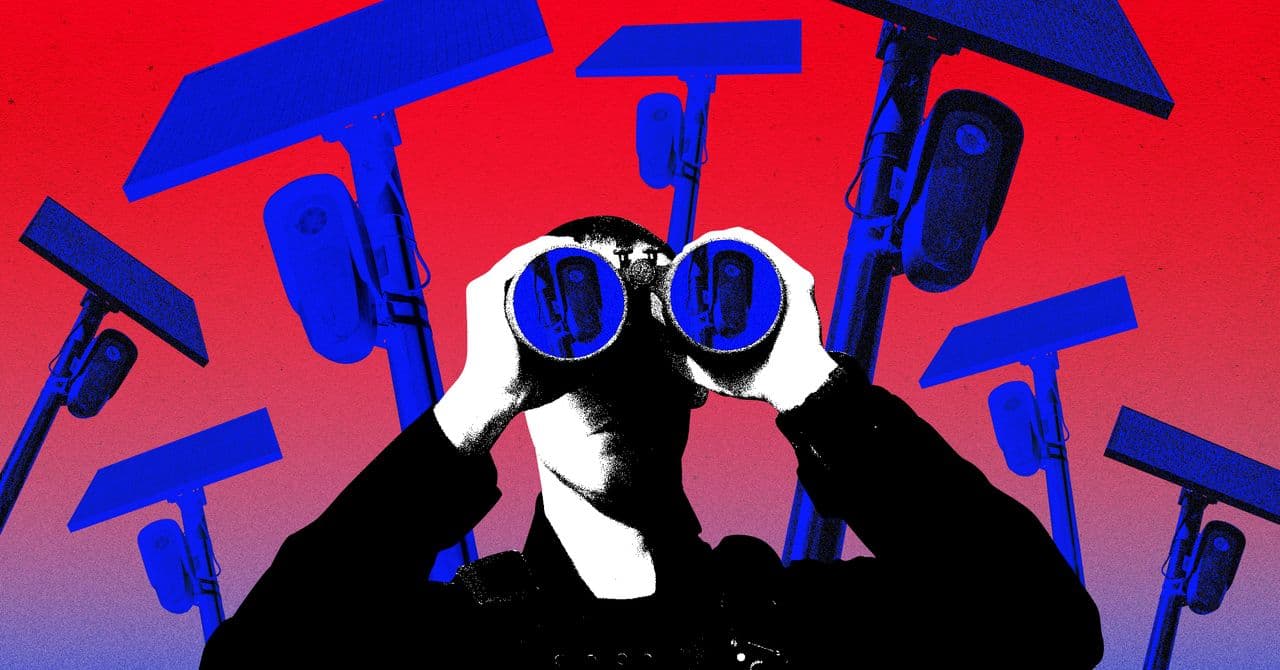
In the realm of modern surveillance, Flock cameras have become both a tool for law enforcement and a flashpoint for public debate. Originally designed to enhance security by capturing vehicle data, these cameras now find themselves at the center of a controversy that raises profound questions about privacy, trust, and the balance of power between citizens and authorities.
When Security Tools Become Weapons
The recent misuse of Flock cameras by a Georgia police officer underscores a growing concern: what happens when surveillance technology falls into the wrong hands? As reported by Wired, a Georgia cop exploited this technology to track the movements of his ex-partner and her acquaintance, leveraging the system's capabilities for personal vendettas rather than public safety. This incident highlights a critical vulnerability in the deployment of such technologies—ensuring they are used ethically and responsibly.
These cameras, though effective in crime prevention, can also serve as tools of personal retribution when proper safeguards aren't enforced. The potential for abuse calls into question the ethical frameworks guiding surveillance technology and the accountability mechanisms in place to protect individuals from misuse.
Public Backlash and the Rise of Vigilantes
Public sentiment towards Flock cameras is increasingly negative, as evidenced by a wave of vigilante actions against them. According to The Verge, Americans have taken matters into their own hands, damaging and disabling these surveillance devices in various acts of defiance. The spontaneous nature of these protests suggests a deep-seated frustration with perceived invasions of privacy and unchecked surveillance.
This backlash points to a broader societal discomfort with the pervasive reach of surveillance technologies. It reflects a growing demand for transparency and accountability from both technology companies and law enforcement agencies. Citizens are increasingly unwilling to accept surveillance as a necessary trade-off for security, particularly when abuses are publicized and trust erodes.
What Changes Next in Surveillance Ethics?
The incidents involving Flock cameras serve as a wake-up call for policymakers, technologists, and citizens alike. The ethical use of surveillance technology must be re-examined, with stricter guidelines and oversight to prevent misuse. Transparency regarding data collection and usage is imperative to rebuild public trust and ensure that security measures do not compromise individual rights.
Going forward, a collaborative approach involving community stakeholders, legal experts, and technologists may be necessary to establish a framework that balances security needs with privacy rights. Additionally, education on the ethical implications of surveillance technology could empower citizens to engage more actively in discussions about its role in society.
Ultimately, the conversation surrounding Flock cameras is emblematic of a larger debate about the role of technology in our lives. As we navigate these challenges, the focus must remain on protecting individual freedoms while fostering a sense of collective security.