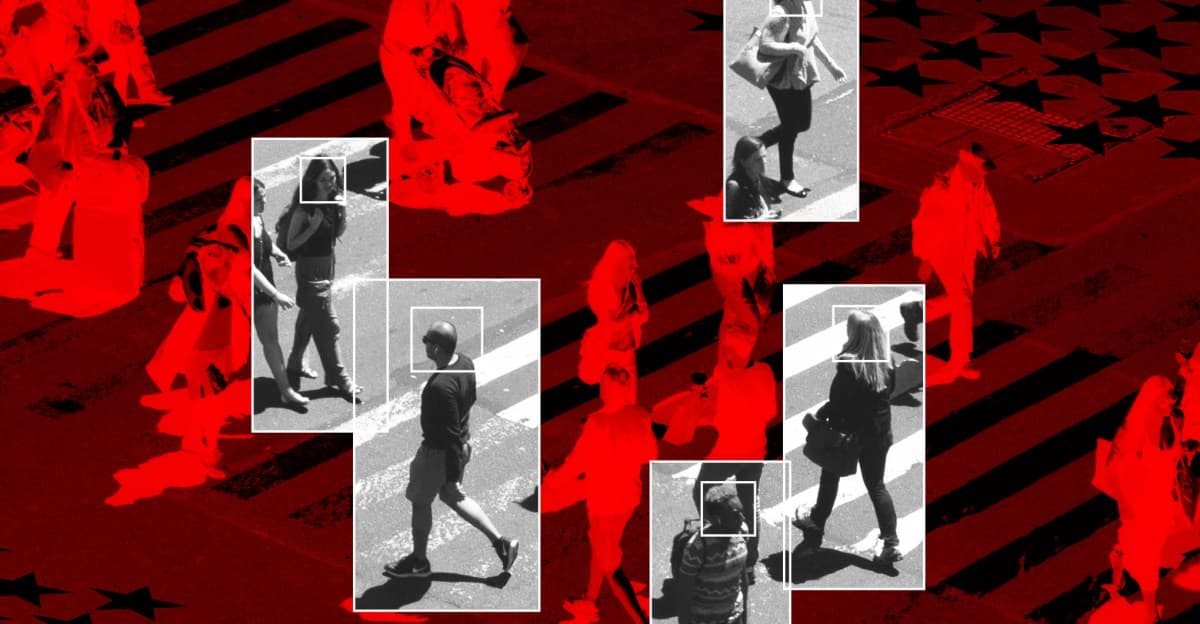
Surveillance technology is rapidly becoming a staple in urban environments, but recent events highlight a deepening rift over its application and transparency. Flock Safety, a company known for its surveillance work with law enforcement, recently faced criticism after sending a cease-and-desist letter to a group discussing its operations. This incident, reported by The Verge, has amplified the ongoing debate around privacy and the role of surveillance in society.
The controversy began when The Saturday Salon, a group in Newport Beach, posted about the letter on Instagram, sparking widespread attention and criticism. The backlash is part of a broader discourse on the ethics of surveillance technology, as many fear it might stifle public debate and dissent. The post resonated with thousands, underlining the public's growing unease with perceived attempts to silence criticism.
Why Flock's Legal Tactics Are Causing a Stir
Flock Safety's actions are not isolated but part of a larger trend where surveillance companies are scrutinized for their methods of managing public perception. Critics argue that such legal maneuvers are intended to intimidate and silence opposition, raising questions about the balance between corporate rights and public discourse. While Flock maintains that its technology aids law enforcement, the aggressive legal approach may be counterproductive, casting a shadow over its public image.
At the heart of this issue is the tension between privacy rights and security needs. Surveillance technology proponents argue that these tools are essential for public safety, yet opponents highlight the potential for abuse and the chilling effect on free speech. This conflict underscores the need for clear guidelines and transparency, particularly as these technologies become more embedded in daily life.
The Implications of Leaked Drone Footage
Compounding these concerns, a recent leak of San Francisco Police Department drone footage revealed the extensive reach of urban surveillance. As reported by Wired, the SFPD’s use of drones to monitor the city has brought to light the scale at which surveillance operates and the potential for such data to become publicly accessible, intentionally or otherwise. This incident fuels the argument for stricter oversight and transparency from agencies using such technologies.
Leaked footage not only exposes operational vulnerabilities but also demonstrates the potential misuse of surveillance data. The public's reaction to this leak, much like the response to Flock's legal actions, reflects a growing demand for accountability. Citizens are increasingly concerned about who controls surveillance data and how it is used, pushing for reforms that ensure these technologies serve public interest without infringing on privacy rights.
Public Demand for Transparency Is Unstoppable
The common thread in both Flock's legal controversy and the drone footage leak is a call for greater transparency and accountability. These events highlight a public increasingly unwilling to accept opaque practices from entities wielding significant surveillance power. As surveillance technology continues to evolve, so too will the public’s expectations for its governance.
Moving forward, companies and law enforcement agencies must navigate these expectations carefully. Embracing transparency not only helps build public trust but also ensures that surveillance tools are used ethically and effectively. As the debate continues, the demand for clear rules and oversight will likely intensify, shaping the future landscape of public surveillance and privacy.