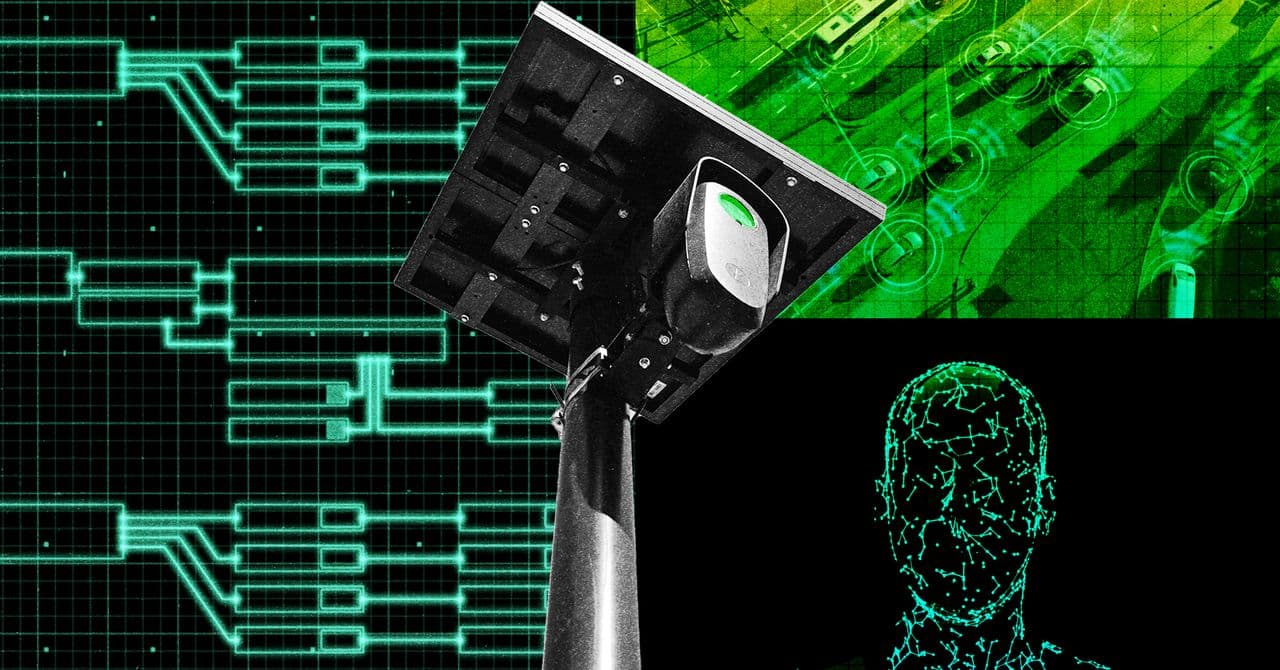
Why Flock's Surveillance Raises More Than Eyebrows
In recent years, the expansion of surveillance technology has been met with both enthusiasm and skepticism. A front-runner in this arena, Flock Safety, has been making headlines with its next-generation AI system designed for police use. While the technology promises enhanced security, it has also ignited debates over privacy and ethics.
Flock's AI surveillance tools go beyond traditional methods, leveraging advanced algorithms to track and analyze data extensively. According to a Wired investigation, the system's capabilities surpass simple license plate tracking, potentially encroaching on broader civil liberties. The tension here is palpable: does increased security justify the invasion of personal privacy?
The Controversial Heart of Flock's Technology
At the core of the controversy is the perceived lack of transparency and accountability in how Flock's technology is deployed. Critics argue that without clear oversight, such powerful tools could be misused, leading to a surveillance state scenario. This is not merely a hypothetical concern. Noel Pichardo, a police officer who criticized his city's use of Flock cameras, faced repeated internal investigations, suggesting a chilling effect on dissent within law enforcement ranks.
This situation highlights a critical issue: the balance between utilizing technology for public safety and safeguarding individual rights. As communities become increasingly surveilled, the risk of eroding trust between police and the public grows, potentially undermining the very safety these systems aim to ensure.
What Changes Next? Balancing Safety and Privacy
Moving forward, the challenge lies in establishing robust regulatory frameworks that can govern the use of such technologies. Policymakers must engage with civil rights advocates, law enforcement, and the tech industry to create guidelines that protect individual privacy while maintaining public safety.
Moreover, transparency is key. Law enforcement agencies need to openly communicate how these tools are used and ensure that there are checks and balances in place. Only through rigorous oversight can the public's trust be regained and maintained.
The Future of Surveillance: A Crossroads
The debate over Flock's AI surveillance tools is just one part of a larger conversation about the role of technology in society. As we stand at this crossroads, the decisions made today will shape how privacy, security, and freedom coexist in the future. It's a delicate balance, but one that is crucial to navigate if society is to benefit from technological advancements without compromising fundamental rights.