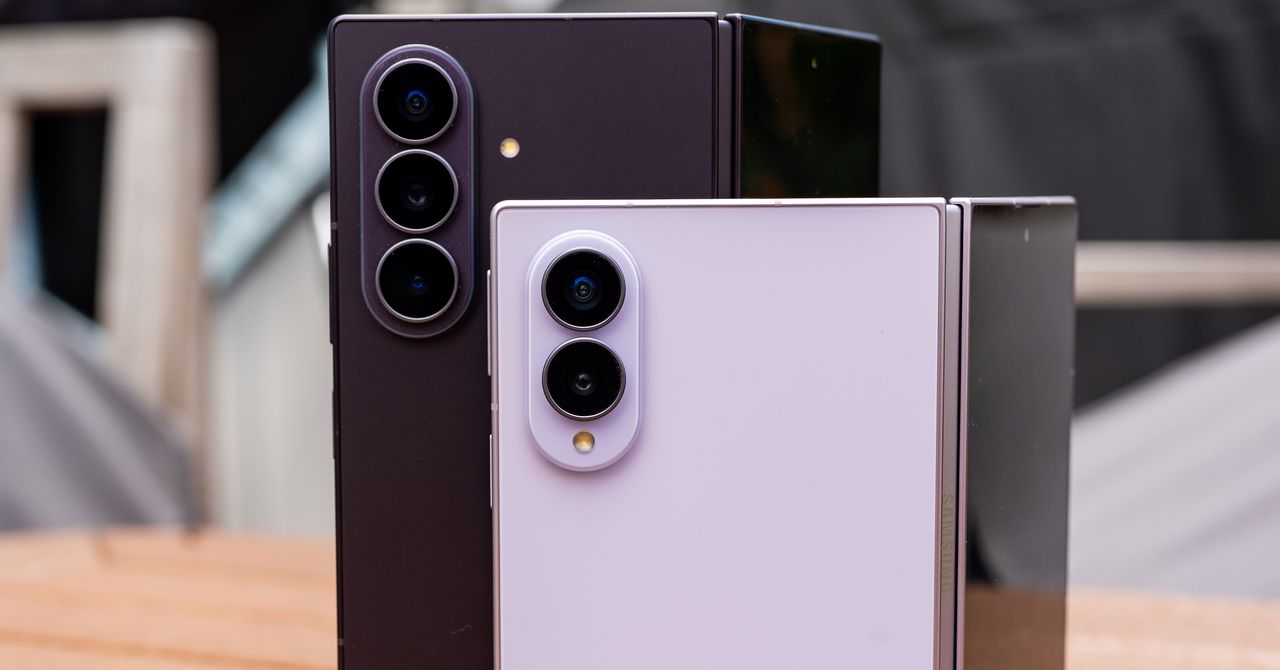
The foldable smartphone market has long been a futuristic concept, teetering on the edge of practicality and novelty. For years, Samsung led the charge with its Galaxy Fold series, a line often seen as a gamble on the future of mobile technology. Now, nearly a decade since the first Galaxy Fold was introduced, the Samsung Galaxy Z Fold8 and Z Fold8 Ultra appear to have finally hit their stride, as reported by Wired. This realization, however, comes at a time when Google has thrown its hat into the ring with the Pixel 11 Pro Fold, marking a significant shift in the competitive landscape.
Samsung's Long Road to the Right Shape
When Samsung first introduced the Galaxy Fold, it was met with both excitement and skepticism. The initial releases were plagued with issues, from screen durability to a cumbersome design. Yet, Samsung persisted, refining the technology over several iterations. According to Wired, the latest Galaxy Z Fold8 models offer a more polished experience, finally embodying the potential that was promised years ago. The design has evolved to a point where it not only intrigues tech enthusiasts but also appeals to mainstream consumers. This maturation is crucial, as it signals that foldables are not just experimental technology, but viable products ready for everyday use.
Google's Entry Shakes Up the Market
Just as Samsung finds its footing, Google has entered the fray with the Pixel 11 Pro Fold, adding fresh competition to the foldable phone market. As highlighted by ZDNet, Google's approach with its Pixel series has always emphasized software prowess and user experience. The Pixel 11 Pro Fold is no different, offering features that challenge Samsung's dominance. This rivalry could be a catalyst for innovation, pushing both companies to enhance their offerings further. The entry of another major player also suggests a broader industry belief in the future of foldables.
Despite the advancements, foldables still face challenges. Price remains a significant barrier, with these devices often costing more than traditional smartphones. Additionally, potential buyers may still harbor doubts about durability and long-term reliability. However, the presence of both Samsung and Google in this space may help accelerate improvements and drive down costs over time.
What Changes Next for Foldables?
The increasing viability of foldable phones suggests a shift in how consumers might engage with mobile technology. As Samsung and Google refine their designs, other tech companies may be compelled to enter the market, potentially leading to a new era of mobile device design. The focus could shift from merely proving the technology works to enhancing its functionality and accessibility for everyday users.
The next steps for foldables will likely involve improving battery life and ensuring software seamlessly adapts to the unique form factors. As foldables become more common, their integration into ecosystems like smart homes and wearable tech could also expand, offering consumers more cohesive and flexible tech experiences. Ultimately, foldable smartphones are transitioning from a niche gadget into a mainstream option that could redefine personal computing on-the-go.