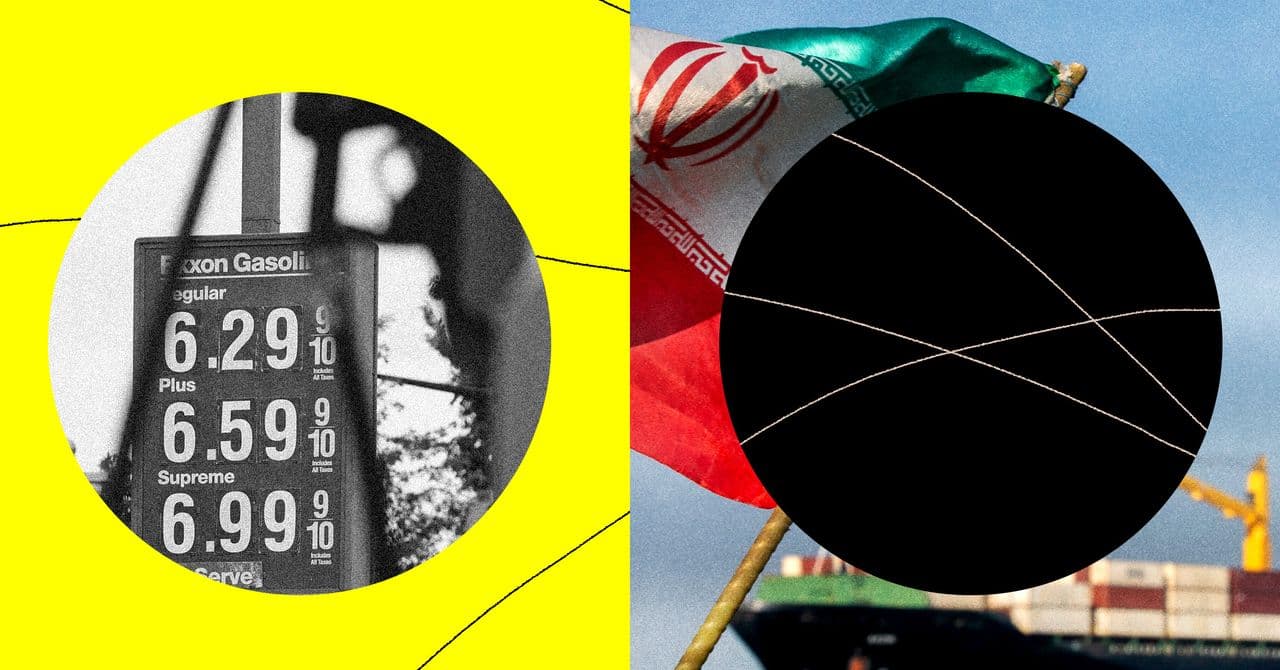
Gas Prices Won't Plummet Despite Strait of Hormuz Peace
In recent months, the geopolitical tension around the Strait of Hormuz has captured global attention. The prospect of peace might suggest relief at the pump, but experts caution against assuming any quick fixes to gas prices. As noted in Wired, even if the US-Iran tensions ease and the Strait remains open, the oil market's complexities ensure that prices will not return to previous lows overnight.
The significance of the Strait of Hormuz, a critical chokepoint for global oil shipments, cannot be understated. It is a passageway for approximately 20% of the world's petroleum. Its closure for 100 days earlier this year would logically suggest a spike in oil prices due to supply constraints. However, the anticipated surge did not materialize, raising questions about market dynamics and the actual flow of oil during this period.
Secret Oil Missions Cast Doubt on Price Stability
Adding to the intrigue, reports have emerged from President Donald Trump claiming a covert operation managed to move 100 million barrels of oil through the otherwise blocked Strait. This figure, as covered by Wired, remains unverifiable and has been met with skepticism. The lack of transparency raises doubts about the true state of oil supplies and undermines confidence in any reported stabilizing efforts.
The oil market's response—or lack thereof—to the closure hints at underlying complexities. It challenges the notion that supply interruptions automatically equate to price hikes. Factors such as global oil reserves, alternative routes, and the potential exaggeration of oil flow figures all contribute to a more nuanced understanding of the market.
Market Dynamics Override Simple Supply Assumptions
This situation underscores a critical point: oil prices are not solely determined by the physical supply of barrels. Speculative trading, geopolitical developments, and strategic reserves play significant roles. The market's resilience during the Hormuz closure suggests that traders may have anticipated such events and hedged accordingly, or that alternative logistical solutions mitigated the impact.
With the Strait now open, what changes next? The market is unlikely to revert to previous price levels immediately. The interplay of supply chain adjustments, potential new conflicts, and economic policies will continue to influence pricing. Consumers and stakeholders should prepare for a landscape where geopolitical developments and market speculation hold considerable sway over everyday prices.
Prepare for a Complex and Uncertain Oil Future
Ultimately, the current situation reflects a broader truth about the oil industry: it is inherently volatile and influenced by more than just visible supply paths. As peace negotiations continue, the market's response will depend on more than just the Strait's status. For policymakers and consumers alike, understanding these dynamics is crucial for navigating future uncertainties in energy costs.