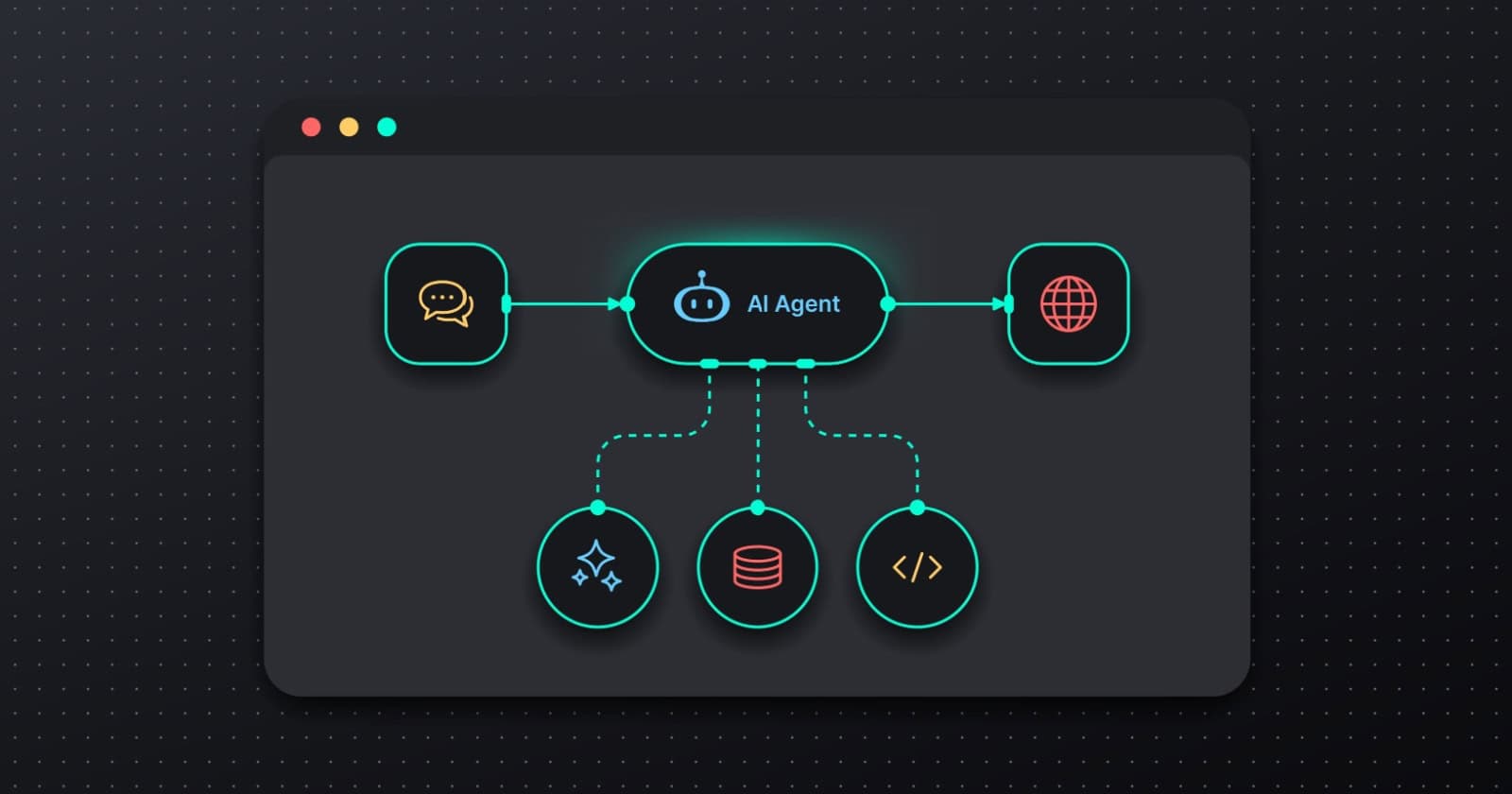
The digital marketing landscape has always been in flux, driven by the relentless pace of technological innovation. The introduction of Google's new "Google-Agent" marks another pivotal moment, one that challenges the very foundations of traditional SEO practices. This shift isn't just about new tools; it's about redefining how search engines operate and interact with users.
SEO's Comfort Zone Is Under Siege
For years, SEO specialists have operated within a fairly stable framework. The focus was on optimizing websites for algorithms, ensuring that keywords and backlinks aligned with Google's ranking criteria. This method, although complex, allowed marketers to predictably influence search engine results. However, the introduction of Google-Agent is unsettling this comfort zone.
According to a report from Search Engine Journal, the agentic web is transforming search into AI-driven action, moving beyond the passive retrieval of information to proactive engagement. This new model demands a fundamental shift in how SEOs approach their craft.
Agentic AI Is Not Just an Assistant
Unlike traditional AI that acts as a passive tool, Agentic AI actively participates in decision-making processes. It is designed to understand context, intent, and even predict user needs. As highlighted by the Useinsider Blog, most AI tools until now have required human intervention to connect the dots between insights and actions. But Google-Agent promises to automate these connections, effectively reducing the manual orchestration that has long been a hallmark of SEO work.
This evolution means that SEOs must now prioritize understanding user intent and behavior patterns over traditional keyword strategies. Merely optimizing content for search engines will no longer suffice in an agentic web where AI anticipates user needs and acts autonomously.
Tension Between Old Strategies and New Realities
The transition to an agentic web poses significant challenges for SEO professionals. Many are finding that their tried-and-true strategies are becoming less effective. The tension lies in the need to adapt quickly while maintaining the performance of existing campaigns.
As the Search Engine Journal article suggests, the historical approach to SEO is being rewritten. SEOs must now consider the broader implications of AI-driven actions, which require a deeper understanding of machine learning principles and user dynamics.
Adapt or Risk Falling Behind
The inevitable conclusion is clear: adaptation is not just beneficial; it is essential. SEO teams need to embrace this shift towards proactive AI-driven strategies. This means investing in understanding AI's capabilities and limitations, as well as developing content that aligns with the nuanced needs of an agentic web.
In this new era, the ability to predict and meet user needs will distinguish successful SEOs from those left behind. As the digital landscape continues to evolve, those who fail to adapt risk becoming obsolete in a world increasingly dominated by AI-driven decision-making.