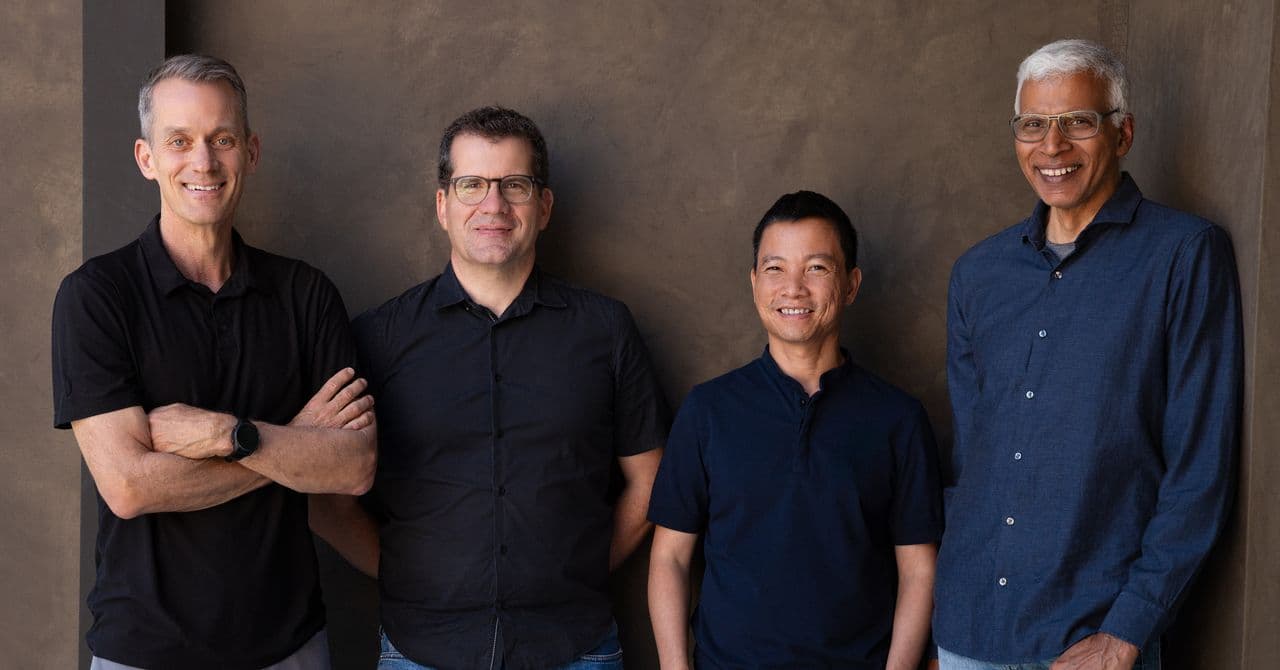
The tech world is buzzing with news of prominent Google executives, including Jeff Dean, leaving the tech giant to establish a new venture called Discovery Loop. This startup aims to harness AI for groundbreaking advancements in fields like drug discovery and chip design. While this move might seem like an inevitable push for more innovation, it also raises questions about the current direction and effectiveness of AI in solving practical problems, particularly in cybersecurity.
Why Are Google's Top Minds Moving On?
Jeff Dean's departure from Google is a significant signal that even the brightest minds in AI are seeking new horizons. The formation of Discovery Loop suggests a shift in focus towards specialized applications of AI, where the potential for impact is substantial. This move comes in the context of broader industry doubts about AI's current capabilities, particularly in areas where precision and reliability are critical.
Google's loss of talent underscores a broader industry trend: the need to refine AI's role in solving complex problems. Discovery Loop's focus on specific industries like pharmaceuticals and semiconductor design indicates a strategic pivot towards fields where AI can deliver tangible results. This raises the question of whether other tech leaders will follow suit, redirecting efforts towards more targeted AI applications.
AI's Stumble in Cybersecurity Sparks Concern
While AI holds promise in many areas, its application in cybersecurity has hit a notable snag. A study by 1Password reveals that AI systems failed to patch software vulnerabilities correctly 74% of the time. This finding is a stark reminder that AI, despite its potential, is not yet a silver bullet for cybersecurity defenses.
This revelation should prompt a re-evaluation of AI's current limitations. The expectation that AI can seamlessly integrate into all facets of technology is proving to be overly optimistic. As such, industries relying heavily on cybersecurity must reconsider their strategies and possibly slow down AI integration until more reliable solutions are developed.
What Changes Next in the AI Landscape?
The departure of leading AI experts from companies like Google and the struggles in cybersecurity suggest a period of recalibration for AI's role in technology. As Discovery Loop embarks on its journey, we might see a shift towards more focused, industry-specific AI applications, rather than broad, catch-all solutions.
For businesses and consumers, this means that expectations around AI might need to be tempered. We can anticipate a more cautious, strategic approach to AI development, with emphasis on areas where it can genuinely excel. This may lead to more robust, reliable systems in sectors like healthcare and finance, where precision is paramount.
Ultimately, these developments highlight a critical turning point in AI's evolution. The technology's future will likely be shaped by a balance between ambition and practicality, as the industry seeks to harness AI's potential while acknowledging its current limitations.